dyton mupawaenda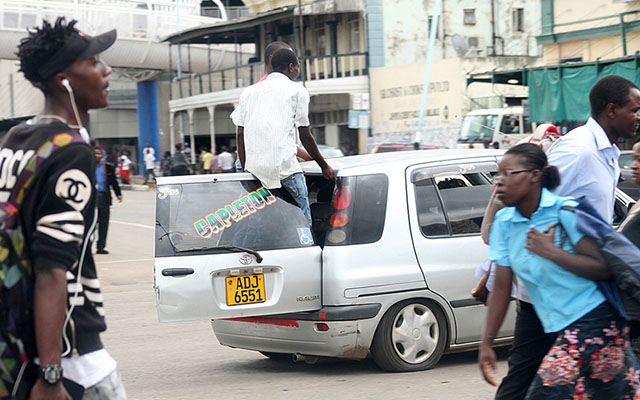
Ivan Zhakata-Features Correspondent
In the mining town of Kadoma, once known for its bustling commuter omnibuses running the well-trodden routes to Rimuka, Ngezi and Munhumutapa, a new form of transportation has risen to dominate the streets, unregistered pirate taxis, locally known as mushikashika or go-fasters.
The popular Honda Fit model has replaced the once-reliable omnibuses, shifting the local transportation landscape and raising questions about the future of commuting in the city, also known as the “City of Gold.”
The shift from commuter omnibuses to mushikashika has been a gradual, yet unstoppable wave.
Residents, particularly those who rely on public transport to commute to work or run daily errands, have found themselves increasingly using these unlicensed taxis.
From the streets of the town to the more remote mining areas like Rio Tinto and Chakari, mushikashika vehicles are now ubiquitous, frequently seen darting in and out of the town’s busy routes, often at breakneck speeds.
In the heart of Kadoma, commuters like Sekai Nyamadzawo, a resident who works in a local shop, expressed a mix of frustration and acceptance of the change.
“It is hard to find a seat in a commuter bus anymore,” she said.
“The mushikashika cars are everywhere now and people have no choice but to use them. The mushikashika cars are also convenient because they are quicker and take more flexible routes compared to the regular buses.”
On the flip side, other residents like Tawanda Chiremba, who works at a local mine in the Ngezi area had mixed feelings.
“The mushikashika taxis are faster, yes, but they are also more expensive,” he said.
“And they drive so fast. I do not feel safe sometimes. We are paying more for less comfort and for a riskier ride.”
Local authorities, including Kadoma City Council, have been locked in a long-standing battle with illegal transport operators.
Despite several attempts to clamp down on these unregistered taxis including regular roadblocks and fines, the mushikashika taxis continue to flourish with little sign of the problem abating.
“The mushikashika menace is a serious issue,” said a council official in charge of transport.
“We have had multiple meetings with transport operators, yet the mushrooming of these illegal taxis remains out of control. They are not only flouting regulations but also endangering the safety of our residents.”
Despite council efforts, the allure of faster, more convenient and often cheaper travel options for commuters has kept many on the side of these illegal operators.
The shortage of licensed commuter omnibuses and the high demand for quick transportation have left many with few options but to embrace the pirate taxis.
For the drivers of the mushikashika taxis, however, it is about survival.
Many of these operators argued that the harsh economic realities have forced them into the business.
“I used to drive a registered kombi but the economic situation became unbearable. There was no way to make a living,” said Godfrey Moyo, a mushikashika driver plying the Town to Rimuka route.
“These small cars are quicker and more efficient. I make more money driving the mushikashika taxis than I ever did with the kombis. Besides, it is the people who want this service. They prefer it because it gets them to their destinations faster.”
Moyo, like many other mushikashika operators, has no license or registration for his vehicle, but he insisted that his passengers understand the trade-off between convenience and risk.
“People are happy as long as they get where they need to go. I do not know how the council expects us to operate legally when they are not offering any alternatives,” he said.
The surge in mushikashika taxis has also had economic ripple effects.
Local businesses that once relied on commuters using regular buses now see a change in foot traffic.
Many businesses, particularly those in the transportation sector such as fuel stations and car maintenance shops are feeling the effects as the dominant role of mushikashika taxis grows.
For those who depended on licensed omnibuses for work, the loss of reliable transport is a source of frustration and instability.
Despite the growing concerns, council remains adamant that the illegal transport operators must be dealt with, although the likelihood of an immediate solution seems slim.
With the rise of the mushikashika taxis, it seems the “City of Gold” has found itself at a crossroads—one between economic survival and the regulation of public transport.
As Kadoma adapts to this new era of transportation, the future remains uncertain.
While commuters may have embraced the convenience of the mushikashika, the authorities face a continual struggle to bring order to the city’s chaotic transport system.
For now, the mushikashika taxis have taken over, but whether the city can reclaim its streets remains to be seen.
As the “City of Gold” evolves, it seems that the mushikashika may have become an indispensable, albeit controversial, part of the fabric of Kadoma’s daily life.
Whether they will stay or be driven off the streets by the authorities, only time will tell.



 Online Reporter