Chronicle Editor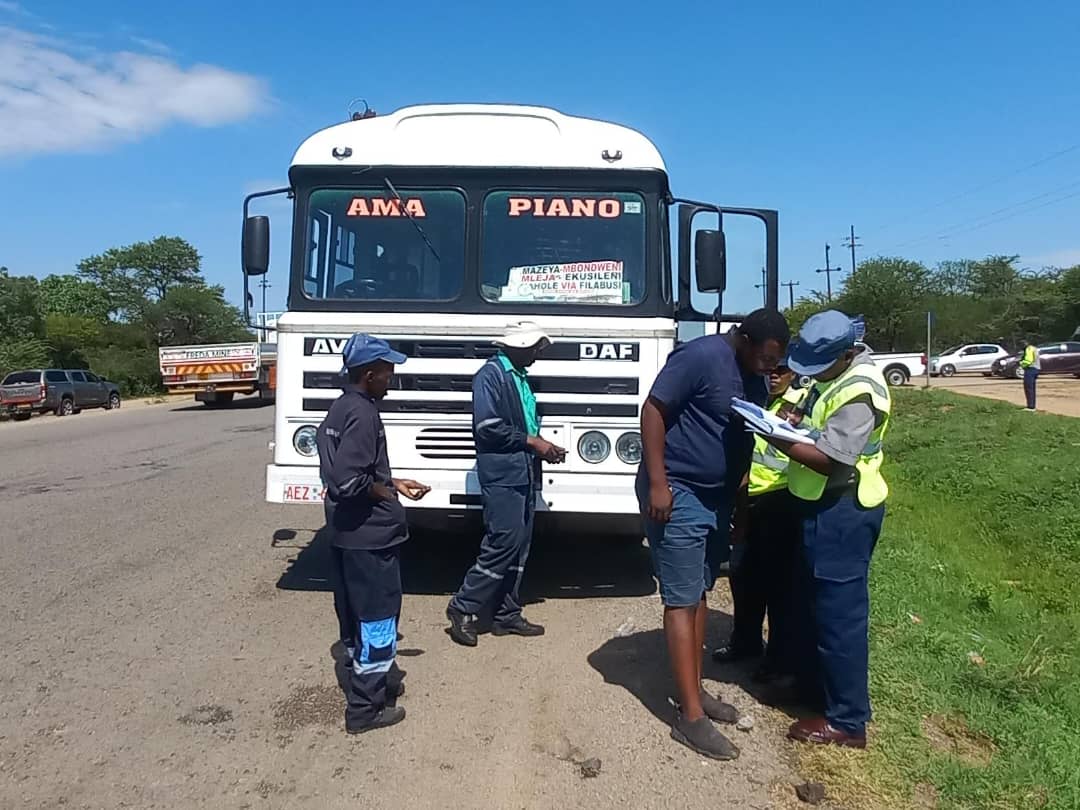
By Obey Sibanda
ROAD safety is a pressing concern in Zimbabwe, where road conditions and high accident rates inflict devastating consequences on families and communities.
The country’s roads have become a ticking time bomb, waiting to unleash devastation not only on unsuspecting travellers but also on the economy at large.
Zimbabwe’s road network is fraught with hazards that contribute to a high rate of accidents. The economic burden on the Government is immense, with the Ministry of Finance and Economic Development estimating that approximately 2 percent of the annual budget is spent on road accident-related costs. This equates to millions of dollars that could otherwise be allocated to education, healthcare, and infrastructure development. For example, the Bulawayo City Council (BCC) allocates about US$700 000 annually to its road rehabilitation programmes.

The indirect costs are equally staggering. According to the World Health Organization (WHO), road accidents in Zimbabwe lead to an estimated 1.3 million days of lost productivity annually, impacting businesses and industries reliant on a healthy workforce.
For families like the Moyos, the consequences of road accidents are life-altering. In April, Thomas Moyo, a 35-year-old father of two, was involved in a catastrophic accident on the Harare-Bulawayo highway. A speeding truck collided with his car, leaving him critically injured. Despite days in a coma, Thomas succumbed to his injuries.
His wife, Sarah, was left to grapple with the financial burden of medical bills, funeral costs, and the loss of the family’s primary breadwinner. Forced to sell their home to pay off debts, Sarah’s story mirrors the plight of thousands of Zimbabwean families devastated by road accidents.
The ripple effects of road accidents extend beyond individual tragedies. The government spends approximately $10 million annually on medical treatment for road accident victims, excluding rehabilitation costs. Emergency services, including ambulances, police, and fire services, add to the financial strain. Additionally, damage to public infrastructure like roads and bridges necessitates expensive repairs, further depleting national resources.
Between December 15 and 26, 2024, the festive season alone saw 1,211 road traffic accidents, resulting in 77 fatalities and 401 injuries. While the number of accidents decreased from the previous year, fatalities rose by 8%, and injuries by 2%.
Zimbabwe Republic Police spokesperson, Commissioner Paul Nyathi, attributed many accidents to driver fatigue and negligence. “Most road traffic accidents involved private vehicles where either drivers or passengers perished,” he said. Public transport was not spared, with a major accident involving three buses on December 22, resulting in two deaths.
The Government has introduced measures to improve road safety, such as stricter traffic laws and increased police presence. During a road safety awareness campaign, Commissioner Wiklef Makamache urged motorists to exercise caution and adhere to road rules, warning against common hazards such as stray animals and reckless driving.
Bulawayo Police spokesperson Assistant Inspector Nomalanga Msebele stressed the importance of using reliable and insured transport, warning passengers to avoid overloaded buses and report speeding drivers. “Ensure that your driver is sober. If you suspect your driver is unfit, stop the journey or report the issue to the police,” she advised.
Addressing the root causes of road accidents is imperative. Poor road design and maintenance, reckless driving, and inadequate enforcement of traffic laws are major contributors. Recommendations include: Improving road infrastructure and design.
Implementing intelligent traffic systems like speed cameras and pedestrian crossings.
Enhancing enforcement frameworks and tackling corruption within enforcement agencies.
Statistics paint a grim picture. Between January and May 2024, Zimbabwe recorded 21 183 road accidents, resulting in 860 deaths and 4 350 injuries—an average of six fatalities dailyThis equates to approximately one accident every 10 minutes, with nearly six fatalities daily.
The Traffic Safety Council of Zimbabwe (TSCZ) reported that the road crash fatality rate rose to an average of 2 000 deaths annually between 2017 and 2019.
Recognising the severity of the situation, the government declared all roads a national disaster on 9 February 2021. This led to the launch of the Emergency Road Rehabilitation Programme (ERRP II), which aimed to repair 26 000 km of roads and reconstruct drainage systems between March and December 2021. Priority was given to arterial roads in urban areas, with access roads addressed as funding permitted.
While efforts like the ERRP II demonstrate the Government’s commitment to improving infrastructure, the road safety crisis remains far from resolved. Recent collaborations with international bodies, such as the United Nations Secretary-General’s Special Envoy for Road Safety, signal a willingness to adopt global best practices.
The Moyo family’s story and the broader national statistics underline the human and economic costs of road accidents. Addressing these issues requires a holistic approach, combining education, enforcement, and infrastructure investment.
For Zimbabwe to achieve sustainable development and reduce its economic burden, road safety must become a national priority. Only then can the country break the cycle of tragedy and economic loss, paving the way for a safer and more prosperous future.


 Online Reporter