admin
admin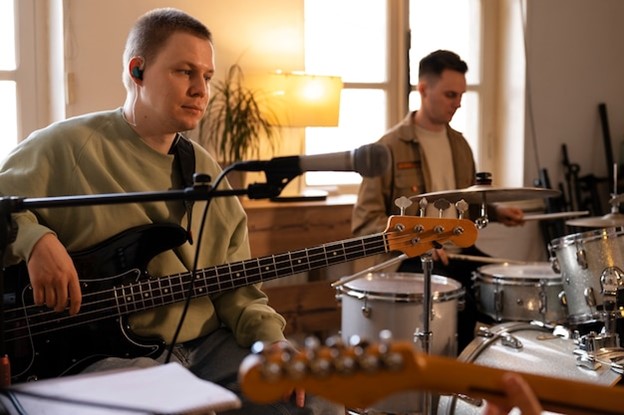
Imagine stepping into a worship service without music. Just silence—no harmonious chords, no rousing choruses, not even that faintly off-key hum from the pew behind you. Sure, we’d make do, but would it hit the same? Probably not. Music isn’t filler or a ‘nice-to-have’ during worship; it’s a profound, deeply spiritual conversation that speaks when words alone cannot.
Music breathes life into the sacred space, setting the tone for a worship experience transcending the spoken word. Essential , such as hymnals, tithe envelopes, and certificates, play a role in fostering an atmosphere of unity and reverence during worship. Imagine the organ’s pipes soaring to the rafters or the gentle strum of a guitar mingling with voices raised in unity.
Historical Perspective The Journey of Music in Worship
Music has been a staple of worship since time immemorial. Picture the ancient Hebrews singing psalms with harps and lyres or medieval choirs filling cathedral halls with Gregorian chants. There’s beauty in realizing that the act of singing praises is both old and universal—it’s a thread that ties centuries of worship together.
Fast-forward to the Reformation, when hymnals became holy grails for congregations. Suddenly, everyone was invited to join the choir. And then came the 20th century when gospel choirs, pipe organs, and praise bands brought their brand of spiritual energy into sanctuaries. Each era added its distinct voice, layering new harmonies over ancient melodies.
What’s the takeaway? While styles may change, the intent remains the same: worship music expresses reverence, connection, and unity. Knowing this history helps us appreciate why music in worship is far more than mere tradition; it’s a dynamic act of faith.
The Role of Instruments Enhancing the Worship Experience
Traditional vs. Contemporary Instrumentation
Here’s a question for the ages (sometimes, quite literally): Should we stick to the grandeur of pipe organs or embrace electric guitars and digital soundboards? Traditional instruments, like pianos and violins, have a timeless elegance. They ground worship in reverence and connect us to generations long past.
On the other hand, contemporary instruments—drums, electric keyboards, and a bass guitar humming along—bring energy and reliability, especially for younger congregants. Finding a balance between these can feel like conducting an orchestra on a tightrope, but get it right, and you’ll cater to the diverse spiritual tastes within the congregation.
The Impact of Technology on Worship Music
Ah, technology. Some see it as the hero of modern worship; others as the villain. Imagine leading a full band without monitors or loops—it’s like baking cookies without sugar! Introducing software like Pro Tools and Ableton Live has allowed worship teams to sync music with seamless precision. Live-streaming platforms ensure that those tuning in remotely can feel as spiritually touched as those in the sanctuary.
But like any tool, it’s how we use technology that matters. It can amplify the impact of worship music without overshadowing the soul of it. Because, really, no fancy mixer in the world can manufacture a genuine connection.
Music Selection Choosing the Right Songs for Worship
Criteria for Selection
Every worship leader knows the frustration of a song that just… doesn’t land. It’s critical to choose music that resonates with your congregation while reflecting the scripture’s message. Think accessibility first—lyrics that are easy to grasp, melodies that can be remembered after one chorus. Overly complex arrangements might dazzle, but they can also alienate.
The Importance of Lyrics and Melody
Here’s a metaphor for you: If a worship song were a sandwich (stay with me here), the lyrics would be the filling, and the melody would be the bread. Without one or the other, you’re left with something incomplete. Lyrics must stand up to theological scrutiny; your congregation will sing them like a creed. Meanwhile, the melody serves as the delivery vehicle, ushering truth into hearts with its rich emotional undertones.
A practical tip is to test songs by singing them yourself. They’ll likely do the same for others if they stir your heart.
The Effect of Music on Congregational Engagement and Spiritual Experience
It’s no secret—when the music soars, so do the spirits. Music has a way of breaking barriers, drawing everyone from skeptical newcomers to devout regulars into collective worship.
A good worship song isn’t just music; it’s an invitation to participate. Even those who hesitate to belt out the tunes will find themselves swaying or tapping a finger. And for those fully immersed? It’s an opportunity to connect with God deeply personally while standing shoulder-to-shoulder in collective praise.
Challenges Faced by Worship Leaders and Musicians
Balancing Tradition and Innovation
Balancing tradition and modernity is perhaps the ultimate challenge. Straying too far into contemporary territory might cause some members to feel disconnected. Stick solely to classic hymns; younger or newer congregants may find it harder to engage.
Overcoming Technical and Practical Issues
From faulty microphones to missing drumsticks to the soprano who inevitably misses rehearsal—technical hiccups and practical challenges are par for the course in worship music. It’s about rolling with the punches while doing your best to minimize them through preparation and adaptability.
Tips for Enhancing the Worship Music Program
Building a Diverse Repertoire
Consider this the musical equivalent of “Eat the Rainbow.” A diverse repertoire spanning different styles, genres, and tempos can keep worship fresh while appealing to a wide range of tastes and demographics within your church.
Encouraging Participation
People are more likely to feel connected when participating, so design your music to invite engagement. Teach new songs during rehearsals or before services, and ensure that at least part of the setlist is congregant-friendly.
Utilizing Instruments and Technology Effectively
Get creative with the arrangement—layer instruments to build dynamics that mirror the emotional arc of the message. Don’t hesitate to employ pre-recorded loops or live sound mixing technology to enhance the sonic experience. Just remember that the tech should serve the music, not dominate it.
Fostering a Culture of Continuous Improvement
Encouraging Feedback for Growth
Creating a culture where feedback is not only welcomed but actively sought out can be transformative. Invite constructive criticism after services from both the congregation and within the music team. This should be a balanced exchange; celebrate the successes and discuss areas for potential growth. Use this feedback as a springboard for discussions that can lead to practical improvements, like fine-tuning song arrangements or tweaking instrumental parts.
Offering Regular Training and Workshops
Providing regular training and workshops can energize your music team with new skills and ideas. Bring in guest musicians or conduct online webinars on everything from vocal techniques to the latest sound technology. These sessions shouldn’t just be skill-based—they should also include elements that focus on the emotional and spiritual connection to the music, reinforcing the purpose beyond the notes. Schedule these workshops regularly to maintain momentum and keep your team engaged.



 Online Reporter