Online Reporter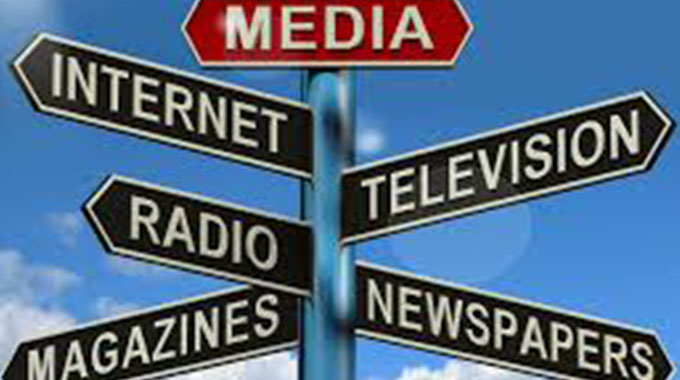
Kennedy Mandaza, [email protected]
Peace, unity, consistency and predictability are arguably the cornerstones of a country’s good reputation and character. These attributes should never be traded at the altar of expediency. If one is to be biblical, Proverbs 22 verse 1 says, “A good name is to be chosen rather than great riches, loving favour rather than silver and gold.” This verse suggests that it is virtuous to choose a good name and reputation over material wealth.
The image of our country, Zimbabwe, in the last two decades had been battered and bruised through various media platforms. In recent times, it had become imperative that we all put hands on deck in rebuilding the image of the Zimbabwe we all want. This task involved nurturing peace and unity, as well as engendering confidence and predictability in the country. The role of the media in pursuit of building this good name and character of Zimbabwe was pivotal.
In this age of globalisation and rapid technological advancement, the media has become one of the most influential forces in shaping the perceptions, image, and reputation of nations on a global scale. For Zimbabwe, mainstream media, independent media, and social media, have emerged as powerful tools in not only building and enhancing the country’s image but also attracting business and investors while fostering a sense of unity and connection among Zimbabweans regardless of their geographical location.
It is important to recognise that media is not just a tool for communication; it is a critical factor in shaping the nation’s image, be it positive or negative, attracting business and investment, and influencing the political landscape. The dividends from the media can either be good or bad to the nation, hence the need for us to be circumspect of what we say and do.
In Zimbabwe, the mainstream media made up of radio, television, and print media, has for long been a cornerstone in shaping public opinion and perception. It is a powerful influence on national pride and consciousness, because of its ability to reach vast audiences, both locally and abroad. These traditional outlets are often the primary source of news for many citizens and hence play a critical role in shaping public opinion, promoting national pride and unity in the country.
Given the political dynamics which often play out in our country and the polarisation of the political landscape, mainstream media has the responsibility of highlighting stories of resilience, innovation, progress and reinforcing a sense of collective identity and hope. The mainstream media should not shy away from robustly telling the Zimbabwean story as it is. If this story is not told, someone will surely tell it in their own words and most likely to the detriment of the reputation and character of our nation.
Zimbabwe’s image and reputation is critically important on the global stage. As such, mainstream media should provide platforms to amplify Zimbabwe’s voice. Television programmes, news reports, and documentaries focusing on Zimbabwe’s culture, tourism, and business opportunities should reach international tourists and investors. This can be done through global media collaborations with reputable international media platforms.
In addition, mainstream media serves as an essential tool for diaspora engagement. Zimbabweans abroad now often tune in to national news broadcasts, listen to radio stations, and read newspapers to stay informed about their home country. The mainstream media should capitalise on this interest and ensure Zimbabweans across the globe are not corrupted by other sources of information.
Since this connection not only helps the diaspora to stay in touch with family and friends but also enables them to remain active participants in the national conversation, political developments, economic policies, and societal changes in Zimbabwe, the credibility and reliability of the mainstream media should not be questionable.
There are many dividends which accrue to the country when the mainstream media is consistent, reliable and credible. By following local news and engaging with cultural programmes, the diaspora can continue to advocate for their country’s development, assist in fundraising efforts, or invest in key sectors of the economy. The increase in the flow of remittances is testament to the potential that exists within the country’s diaspora contingent.
It is without doubt that the independent media is critical in any democracy, and Zimbabwe’s media landscape is no exception. Independent media outlets — ranging from newspapers, radio stations, and online platforms — often offer a necessary counterbalance, by providing alternative viewpoints and deeper analysis on national issues. As a result, citizens and the international community are given an insight into the complexities of Zimbabwe’s political, social, and economic environment.
These media houses are often viewed as essential in highlighting Zimbabwe’s challenges and successes, giving the world a balanced and nuanced understanding of the country. This critical voice for accountability and transparency is vital in image and character building, as investors want to feel assured that the political and business environment is stable and that the country’s leadership is open to scrutiny.
In the realm of Zimbabwean politics, the independent media has been shaping the political landscape by giving a platform to alternative voices to air their concerns and critique the Government. In the absence of the mainstream media telling the story first, the independent media enables the public to be informed about their leadership, policies, and the direction in which the country is allegedly heading. To the international community and the diaspora, the independent media helps foster a more accountable and transparent political system, needed in building confidence in the governance structures, as well as serving as a barometer for democratic maturity and political stability in Zimbabwe.
While the presence of independent media helps maintain a vibrant national discourse, there will always be need to appreciate and understand the importance of a good name and image of our nation. It is common knowledge that building a good name, reputation and character is not easy, moreso rebuilding it if once lost.
The emergence of social media has been a game-changer in global communication. Platforms such as X formerly Twitter, Facebook, Instagram, LinkedIn, and YouTube are invaluable tools which have revolutionised the media space by shaping public perception, creating connections, and fostering dialogue.
Social media has been allowing Zimbabweans, regardless of their location, to engage with and influence conversations surrounding their country. By providing real-time updates, it helps to break news and share developments quickly, allowing for an immediate response to the changing global narrative about Zimbabwe.
One of the most significant impacts of social media has been its ability to reach an international audience directly, without the filter of traditional media outlets. This has allowed Zimbabweans in the diaspora to play an active role in building the country’s image, sharing positive stories about life in Zimbabwe, its entrepreneurial spirit, and its potential for economic growth. Through viral campaigns and shared posts, Zimbabweans abroad have been able to challenge stereotypes and offer a more nuanced view of the country, in pursuit of rebuilding trust and confidence among international audiences.
Notwithstanding, social media has been used as a tool to misinform the Zimbabwean diaspora. Viral campaigns and misleading posts have been used to target Zimbabweans living abroad about events back home. X spaces and other platforms have been used to rally people against brand Zimbabwe. Such are the challenges which the mainstream media must counter by reaching out to all and sundry using the same platforms to ensure that the country’s citizens abroad remain actively engaged in the nation’s progress.
While each media form —mainstream media, independent media, and social media — has its own function, their combined efforts can create a robust and unified image of Zimbabwe. There is a need for collaboration between the government, media outlets, and businesses in promoting national pride and fostering a sense of collective purpose. Media campaigns should target both local and international audiences, focusing on building confidence and optimism about the country’s future.
In Zimbabwe, political dynamics can be complex and at times contentious. The media therefore plays a pivotal role in shaping the political discourse and landscape of the country and influence public opinion, mobilise support for political causes, and hold the Government accountable. Social media platforms, such as X Spaces in particular, have become hotbeds for political debate, with citizens and political commentators using these channels to discuss governance issues and advocate for political reforms.
The role of mainstream media, independent media, and social media in shaping Zimbabwe’s image, attracting investment, influencing political discourse, and maintaining connections with those in the country and the diaspora is undeniable. It is equally undeniable that the country’s unity, peace, image and reputation should be nurtured and preserved for posterity. Together, these forms of media should serve as the lifeblood of public discourse, connecting Zimbabwe to the world and its people to one another.
Moving forward, Zimbabwe must continue to embrace the media as a tool for transparency, national development and international engagement. We all owe it to the present and future generations to harness the power of the media to positively unlock Zimbabwe’s full potential and inspire confidence, pride, and trust, both at home and abroad.