Online Reporter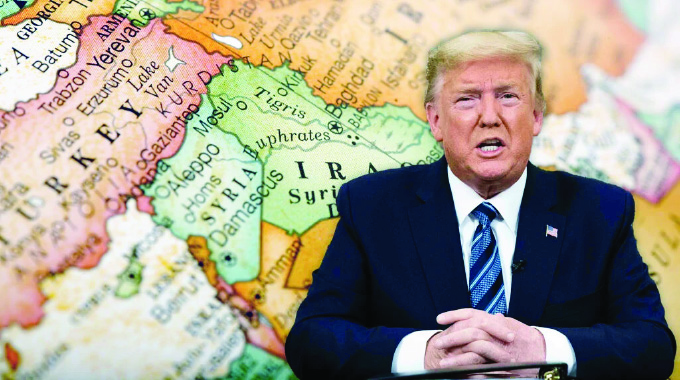
Engineer Jacob Mutisi
In a ground-breaking shift in the landscape of international diplomacy, President Donald Trump has officially adopted the social media platform X (formerly Twitter) as a principal communication tool for United States foreign policy. This strategic move comes amid rising tensions between Israel and Iran, where Trump deftly utilises his account to convey unwavering support for Israel while issuing stern warnings to its adversaries.
As Trump’s social media presence morphs into a key aspect of his administration’s diplomatic strategy, experts continue to assess the implications of this unorthodox approach on global relations.
Since reclaiming the presidency, Trump has made it clear that X is not just a platform for public engagement but an extension of the White House’s foreign policy apparatus. His posts have underscored American solidarity with Israel, condemning Iranian missile strikes and pledging staunch support for Israeli defence forces.
“The United States stands firmly with our ally Israel. Any attack on their sovereignty will be met with full American force,” Trump posted in response to recent escalations, setting a confrontational tone against Iran.
This immediate and direct engagement contrasts starkly with traditional diplomatic practices, often characterised by lengthy negotiations and formal statements. By opting for a more personal and pointed approach, Trump sidesteps conventional channels, allowing messages to reach global audiences without the filter of bureaucratic processes.
According to Dr Emily Rosenberg, a political analyst specialising in US foreign policy, “Trump’s use of X represents an evolution in diplomacy that prioritises speed and clarity. However, it also opens the door to misunderstandings and misinterpretations that could have dangerous repercussions.”
The advantages of this method are evident, Trump can respond to global events almost instantaneously, presenting himself as a decisive leader in times of crisis. Yet, critics argue that the inherent oversimplification of complex geopolitical issues poses significant risks. Veteran diplomat Michael Chambers cautioned, “While the immediacy of social media can be beneficial, it often lacks the nuance required for sensitive international relations. A tweet may ignite tensions rather than quell them.”
Indeed, the responses to Trump’s posts illuminate the varied reactions his communications provoke on the world stage. Iranian officials have sharply rebuked his online rhetoric, calling it “provocative” and indicative of US escalation in an already volatile region. “President Trump’s tweets only serve to increase animosity and miscommunication between nations,” said Ali Khamenei, an Iranian foreign ministry advisor. In stark contrast, Israeli leaders have rallied around Trump’s statements, using his social media updates to reinforce the US-Israel alliance.
“We are grateful for President Trump’s unwavering support, which strengthens our resolve against any aggression,” remarked Israeli Prime Minister Naftali Bennett.
Moreover, Trump’s approach blurs the line between presidential responsibilities and political campaigning. His posts often resonate deeply with his domestic base, particularly evangelical supporters who champion unwavering support for Israel. While this strategy effectively galvanises domestic support, it raises concerns about the potential for misinterpretation among international audiences.
As noted by Dr Sarah Halstead, a communications expert, “Trump’s social media tactics may appeal to his supporters in the US, but they risk alienating allies and exacerbating tensions abroad.”
As this novel approach unfolds, it presents an interesting case for leaders around the globe, particularly in regions where voices often go unheard. African leaders, in particular, might draw lessons from Trump’s utilisation of social media, recognising its potential as a tool for amplifying their messages on global platforms.
“If they can leverage social media effectively, they too can reshape their narratives and engage in international dialogue in ways that were previously out of reach,” said Dr Nia Toure, an expert in global communication strategies.
President Trump’s integration of X into US foreign policy signifies a significant evolution in diplomatic communication amid the digital age. While the implications of this unorthodox strategy remain uncertain, its potential to reshape international relations is undeniable. As world leaders adapt to the shifting dynamics of communication, the long-term impact on peace, engagement and global diplomacy continues to unfold.
The stakes have never been higher, as the boundaries of diplomacy stretch in the age of social media, inviting both opportunities and challenges unprecedented in modern history.