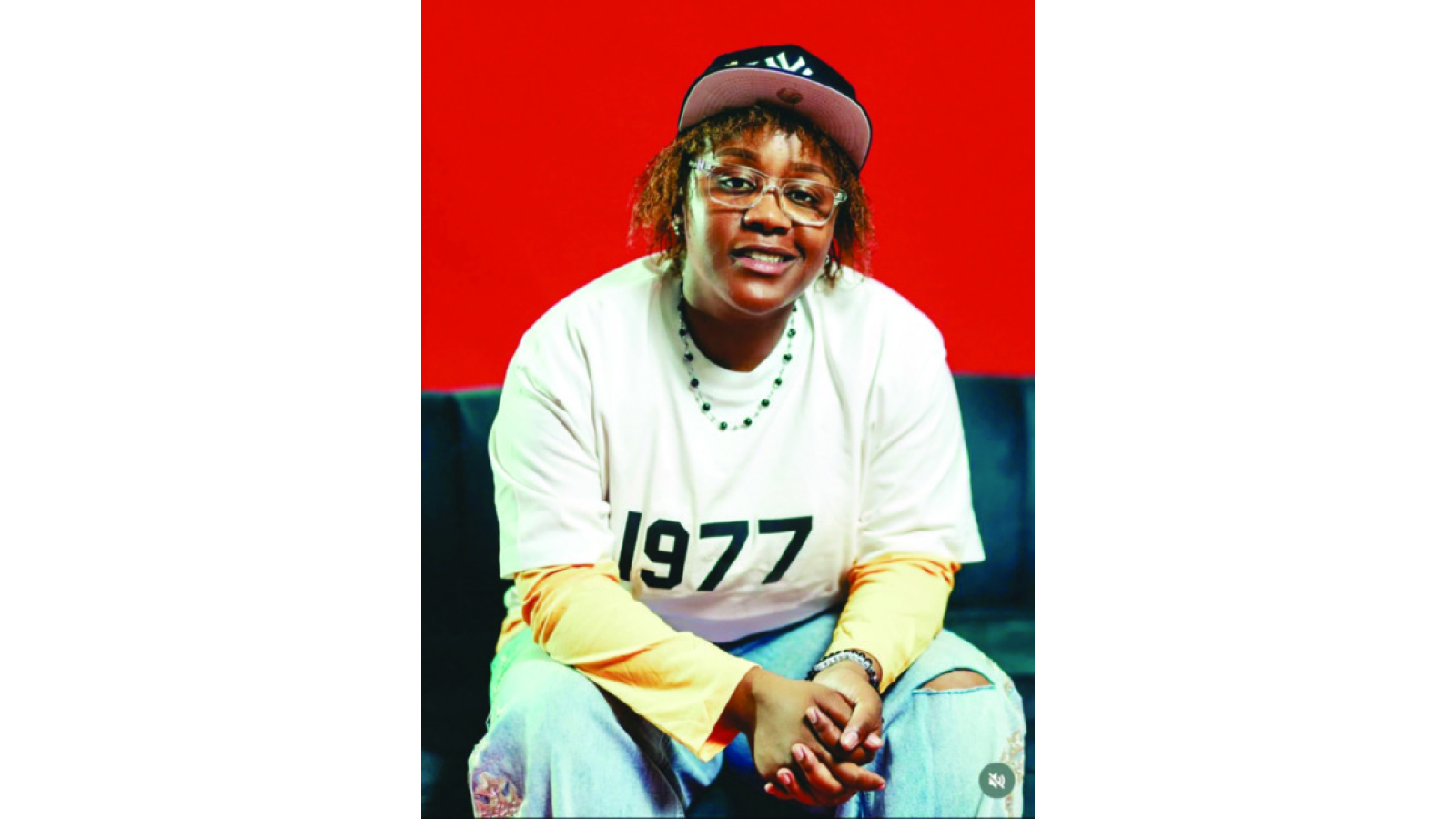
Maria Chiguvari
WHEN Lady Squanda declared herself the queen of Zimdancehall in 2015, it raised questions of female dominance in a male-dominated genre. More than a decade later, the debate over who deserves the crown continues as female artistes still struggle to get recognition relative to their male counterparts.
Artistes such as Winky D, the late Soul Jah Love, Killer T, Freeman and Seh Calaz have managed to build strong brands and loyal fan bases. Their music, live performances and rivalries keep them constantly in the public eye. In recent times, figures such as Junior Spragga, Hulengende and Hwinza have revitalised the genre through sizzling hit songs and dynamic clashes.
Their momentum demonstrates how male artistes continue to benefit from built-in industry visibility and promotional backing that transform new tracks into national anthems. This clearly shows the contrast between male and female career trajectories in Zimdancehall. While male acts quickly capitalise on viral moments, rivalries and fresh releases to command festival line-ups and airplay, emerging female talent rarely receives the same backing.
It is an open secret that female chanters have contributed significantly to the growth of Zimdancehall, but their impact cannot be compared to their male counterparts, with many fading from the spotlight shortly after breaking through.
Over the years, female artistes including Lady Squanda, Queen Kadjah, Nisha Ts, Ninja Lipsy, Juwela, Bounty Lisa, Expatriot, Lady Bee, Empress Shelly, Stami D, Madzimai I-Candy, Lady Banks, Angel P and the late Empress Fyna have all been part of the movement. Today, a new generation featuring acts like Nisha Ts and Malloti continues the fight for recognition, yet very few women have managed to establish themselves as enduring household names.
Musician Queen Kadjah believes the issue goes deeper than a simple rivalry for a title. “Female artistes are still working to gain recognition, choosing to focus on releasing music rather than competing for an undisputed crown,” she said.
“For many women, the immediate priority is simply getting their work heard and building a successful career.”
Maintaining momentum over time has proved to be a formidable challenge across different eras of the genre. Between 2011 and 2016, Lady Squanda gained widespread acclaim through tracks like “Cracker” and “Rudo”, Bounty Lisa found popularity with “Basa Rangu” and Ninja Lipsy rose to fame alongside Winky D on the runaway hit “Taitirana”. Despite being tipped as the next poster girl of Zimdancehall, Ninja Lipsy struggled to sustain that initial impact in the years that followed, while fans today still wonder what ultimately became of Lady Squanda. Similarly, between 2016 and 2020, acts like Juwela, Daruler and Queen Kadjah enjoyed positive rave reviews through powerful studio releases and live shows, yet long-term consistency remained elusive. More recently, Madzimai I-Candy was declared queen at the 2024 Cup Clash and released a track with Master H’s Bottom Camp. She, however, couldn’t sustain the momentum. According to Queen Kadjah, structural barriers and gatekeeping severely limit women in the industry. She explained that female artistes are at a distinct disadvantage compared to men, noting that gaining respect requires immense patience and determination. For an emerging artiste, every single release is a crucial opportunity to win over fans and promoters, but talent alone is insufficient without proper backing.
“Funding remains a critical hurdle in a capital-intensive industry that demands financial backing at every stage, from recording and video production to marketing and distribution,” said Queen Kadjah.
Multi-instrumentalist, producer and mentor Mono Mukundu agrees that these challenges must be taken into account when evaluating why no universally acknowledged queen of Zimdancehall has emerged.
“Cultural attitudes, industry structures and unequal access to opportunities heavily favour male musicians, who have spent years building robust networks across producers, promoters, media outlets and fan communities,” he said.
“In contrast, female artistes must navigate these established male networks while simultaneously enduring gender stereotypes and far harsher scrutiny of their personal lives.”
Who deserves the crown?
Mukundu believes “Nisha Ts and Malloti are currently among the strongest contenders for the title, citing their consistency and visibility. While noting that Nisha Ts occasionally leans towards hip-hop, he highlights both acts as the most active female voices in the genre recently. However, he emphasises that crowning a queen demands more than momentary popularity; it requires hit songs, strong stage presence, industry influence, fan loyalty and, most importantly, long-term consistency, an area where he feels female dancehall artistes frequently struggle.
Music critic Plot Mhako believes selecting an undisputed queen requires looking beyond individual hit songs to evaluating longevity, cultural impact, commercial success and fan loyalty. Although he said he would select Nisha Ts if forced to name a single figure, Mhako argues that “the broader issue lies in whether the industry has provided female musicians with adequate support”. Zimdancehall, he also said, has produced numerous talented women without similarly providing the machinery of visibility, competition and financial investment that has enabled male stars to dominate.
Meanwhile, Queen Kadjah maintains that the decision ultimately belongs to the listeners. “Rising to the top requires discipline, intense focus, proper timing and perseverance to overcome industry hurdles,” said the chanter.
Rivalries and competition have always driven public interest in Zimdancehall, as seen in famous male feuds between Seh Calaz and the late Soul Jah Love, Seh Calaz and Winky D or more recent clashes between Hulengende and Jnr Spragga. While these rivalries generate publicity, bookings and fan engagement for male artistes, Mukundu points out that disagreements between female artistes are often dismissed as personal drama rather than celebrated as professional musical clashes.
Furthermore, he suggests that scientific research is needed to understand why Zimbabwean women remain underrepresented in mainstream popular genres, noting that this trend extends beyond Zimdancehall into genres such as sungura. Addressing these disparities, he said, requires structural changes across the music industry.
Music critics stress that talent alone cannot guarantee success without equal access to investment, airplay, marketing, sponsorship and live performance bookings. Female artistes continue to navigate male-dominated networks while facing heightened personal scrutiny and gender stereotypes.
“The ultimate challenge for the genre is to build an equitable environment where female musicians receive comparable backing, allowing them to establish lasting careers and command audiences on their own terms.