daniel chigunwe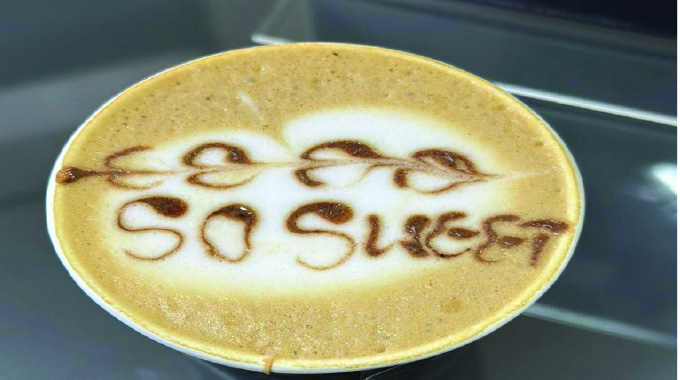
So Sweet
THE cappuccino, a beloved staple of coffee culture worldwide, holds a rich history far deeper than its creamy, comforting facade might suggest. The iconic beverage, with its perfect balance of espresso, steamed milk, and frothy foam, has undergone a fascinating evolution, from its humble European beginnings to becoming a global favourite — a favourite we proudly serve right here in Bulawayo at So Sweet.
Our journey begins not in Italy, as many might presume, but in the coffee houses of 17th-century Vienna. Here, an early iteration of the cappuccino, known as “Kapuziner,” emerged. This was a simple concoction of coffee, often sweetened, with a dollop of cream and sometimes spices. The name “Kapuziner” is widely believed to have been inspired by the Capuchin friars, whose distinctive brown robes, with their pointed hoods, bore a striking resemblance to the colour of the coffee with added cream.
As coffee culture permeated Europe, this Viennese concept travelled. However, the true transformation into the cappuccino we recognise today occurred in Italy in the early 20th century with the advent and popularisation of the espresso machine. While early espresso machines were cumbersome and confined to specialist cafes, they enabled the creation of a concentrated coffee shot — the espresso — which became the crucial base for the modern cappuccino.
The 1930s saw the term “cappuccino” become more formally established in Italy, though still often served in the “Viennese” style with whipped cream and a dusting of cinnamon or chocolate. It was after World War II, with significant advancements in espresso machine technology and the widespread availability of fresh milk, that the cappuccino truly began to solidify its iconic form. Baristas perfected the art of steaming milk to create a velvety microfoam, providing the characteristic texture and “cap” that defines the drink. This refinement, combined with Italy’s burgeoning cafe culture, quickly saw the cappuccino become a cherished breakfast ritual across the nation.
From Italy, the cappuccino’s popularity spread like wildfire. It was particularly well-received in Britain, where the custom of drinking coffee with milk was already well-established. The unique texture and the burgeoning cafe scene that the cappuccino brought, however, set it apart, making it an immediate hit. Over the latter half of the 20th century, as coffee chains expanded and global travel became more common, the cappuccino cemented its place as a universal symbol of quality coffee.
Today, the classic cappuccino remains a meticulously crafted beverage consisting of equal parts espresso, steamed milk, and beautifully frothed milk. It’s a comforting ritual, a moment of pause, and a delicious indulgence all rolled into one. And the great news is, you don’t need to travel to Vienna or Italy to experience this timeless coffee classic. We have the authentic, perfectly crafted cappuccino right here at our shop, So Sweet, in Bulawayo. Come and enjoy a taste of history with us!


 Online Reporter