Online Reporter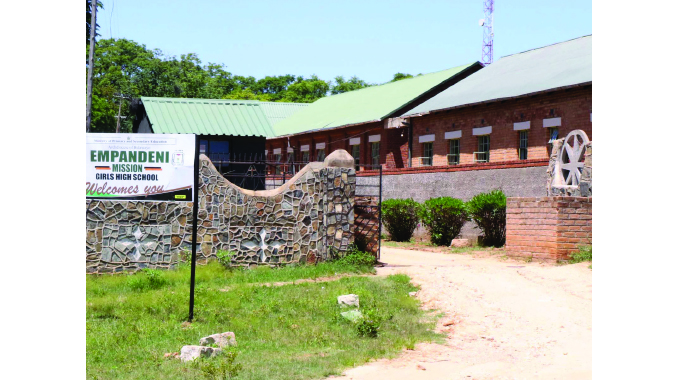
Chronicle Reporter
In the heart of Zimbabwe’s education system, a quiet revolution is unfolding within the walls of some of the country’s most prominent girls-only schools.
Despite stringent regulations and a culture of silence, students at institutions like Empandeni High, Usher Girls High, and Townsend High School are finding ways to explore and express their LGBTIQ identities.
School authorities have long maintained strict rules prohibiting same-sex relationships and any form of LGBTIQ expression. Yet, as one Empandeni High student, who requested anonymity, revealed:
“No one would come out in the open, but everyone knew it was happening. A few years back, there was even a demonstration at the school because people felt the issue was being ignored.”
This sentiment is echoed across other flagged schools, where both boarding and day scholars navigate a complex web of secrecy, peer support, and institutional resistance.
The Ministry of Primary and Secondary Education has acknowledged the growing number of complaints and concerns from parents and school staff. An official from the Ministry stated:
“We are actively investigating complaints from various schools. Our priority is to ensure a safe and conducive learning environment for all students, while upholding the values of our education system.”
Despite the threat of disciplinary action, students have developed subtle ways to connect and support each other.
Whispered conversations, coded messages, and secret gatherings are part of the daily reality for many. The fear of exposure is real, but so is the need for acceptance and understanding.
The rise in LGBTIQ practices among students in girls-only schools is a complex issue, shaped by strict institutional policies and the resilience of young people seeking acceptance.
As investigations continue, it is vital for all stakeholders—schools, families, and policymakers—to approach the topic with sensitivity, respect, and a commitment to the well-being of every student.