

 Chronicle Editor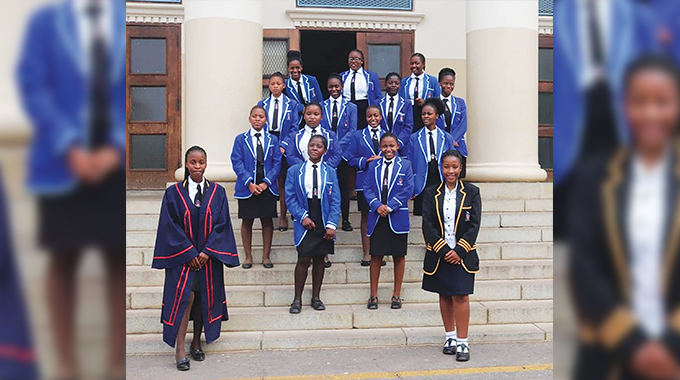
Fredrick Qaphelani Mabikwa
ON March 8, the City of Bulawayo witnessed the swearing-in ceremony of the 2024 City of Bulawayo Junior Council.
This event holds great importance in the city’s calendar. However, it raises questions: Do the residents truly understand the role of the Junior Council? Why does it exist and who are these high school students gathering at City Hall?
The Junior Council, founded in 1968 under the auspices of the Rotary Club of Bulawayo, serves as a leadership grooming programme. These high school students represent the future leaders who will eventually run the city.
As they prepare to transition from high school to college, it becomes crucial for them to grasp the basics of how the city operates. Understanding civic affairs empowers them to contribute effectively.
Upon acquiring this knowledge, Junior Council members act as conduits, relaying pertinent information about the City Council back to their respective schools.
Each school likely has an internal system for disseminating Junior Council updates to the student body.
Notably, the Junior Council represents not only high school students but also all the youth of greater Bulawayo. Their constituencies extend beyond schools, fostering connections with other young people who may not be in high school.
The Junior Council plays a pivotal role in co-ordinating youth activities within the city. By integrating the efforts of various youth clubs and bodies, they ensure synergy and community engagement.
Their authority allows them to formally publicise youth programmes, garnering community support. Through this integration, students and young people gain a platform to express their opinions and feelings.
Beyond co-ordination, the Junior Council inspires a desire among Bulawayo’s youth to actively participate in city affairs. Cultivating this yearning is critical.

Moreover, their proximity to City Hall positions them as a vehicle for social functions, including entertainment, arts and culture, benefiting senior scholars. Leveraging historical buildings and heritage sites, the Junior Council can attract tourists and contribute to the city’s economy.
Bulawayo offers a vibrant cultural scene, from historical landmarks like the City Hall and the statue of JMN Nkomo to vibrant centres like Mzilikazi Arts and Crafts and Makokoba Market.
The National Gallery and Natural History Museum provide artistic and scientific exploration.
The Junior Council plays a crucial role in nurturing young talent. Their proximity to City Hall allows them to promote performing arts among youth.
The city’s Youth and Culture Policy supports this by offering venues like youth centres and community halls for artistic expression. This programme has produced renowned artistes like Cont Mhlanga and Black Umfolosi.
The Junior Council is also fostering a love for literature. While social media has impacted reading habits, Bulawayo’s nine libraries offer a wealth of resources.
The council aims to revive the reading culture prevalent in the 70s and 80s, where youngsters actively engaged with books.

The Junior Council’s inclusive structure, incorporating both public and private schools, fosters an exchange of ideas on sports development.
It provides a platform for students to discuss challenges and explore new sporting disciplines. This has led to a wider range of sports being offered in public schools.
The city’s stadia and swimming pools further support this growth. Importantly, the Junior Council facilitates student participation in learning expos and events like the Zimbabwe International Trade Fair.
Community support is vital for the Junior Council’s success. We encourage school authorities, parents and the Bulawayo community to get involved.
We also acknowledge the invaluable support provided by the City’s Corporate Communications Office and the Rotary Club of Bulawayo. Together, we can ensure that Bulawayo’s cultural legacy thrives in future generations.


 Blessing Chizhande
 Online Reporter