Chronicle Editor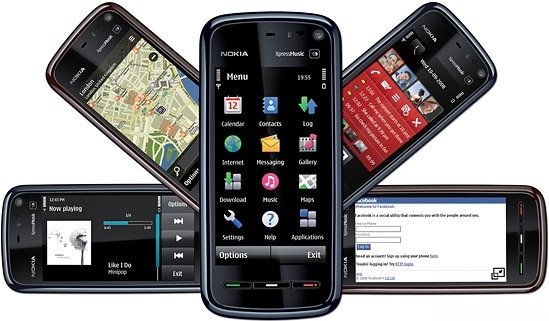
Michelle Moyo, [email protected]
URBANITES in Zimbabwe overwhelmingly own mobile phones, making them the most prevalent asset class. This has significant socio-economic implications, as identified by the Zimbabwe Livelihoods Assessment Committee.
The survey found that 77 percent of cellphones, the most commonly owned asset in the trading sector, are used through social media accounts. This trend is reshaping lives and societies.
This shift is driven by observations from traders themselves. They have witnessed beneficiaries successfully marketing their goods online, not just within Zimbabwe but reaching a global audience.
ICT expert, Robert Ndlovu, told Saturday Chronicle that cellphones have evolved beyond simply a way to connect with friends. They are a transformative force, reshaping lives and societies across Zimbabwe.
“The transformative power of mobile phones in Zimbabwe is undeniable. As of 2023, there were 14,08 million active mobile connections in Zimbabwe, equivalent to 85,4 percent of the total population. Even individuals without traditional bank accounts can now send and receive money, bringing financial inclusion to the forefront.
“Data costs can be a hurdle, but the rise of WhatsApp shows the growing potential of mobile apps. As smartphones become more accessible, they open up opportunities for even greater financial empowerment,” he said.
Ndlovu further emphasised that WhatsApp marketing has become a game-changer for businesses of all sizes.
“Forget fancy flyers, reach a massive audience directly through their phones, cost-effective, convenient, and allows you to connect with customers on a personal level. While many of us get caught in the social media vortex, our phones are mini-computers with untapped potential. Let’s move beyond the “social media frenzy” and embrace the educational and productivity tools these devices offer. From online learning platforms to digital design tools, the possibilities are endless.
“A big shout-out to schools in Bulawayo that are incorporating robotics and AI into their curriculum. By equipping our younger generation with these skills, we’re preparing them for the future while fostering a more responsible relationship with technology,” he said.
However, Ndlovu also acknowledged the challenges associated with cellphones. Social media, for instance, can sometimes lead to increased social isolation within families.
“It’s not uncommon to find a family of five sitting at the same dining table, each engrossed in their phone. However, this is a phase that will pass. With the advent of services like Starlink, which promises to bring high-speed internet to even the most remote locations, we can expect more changes.
“In short, mobile phones have brought more good than harm. They’ve opened up great opportunities for social media therapists and other professionals to address the challenges posed by this digital revolution. Let’s continue to harness the power of mobile technology for the betterment of Zimbabwe and beyond,” said Ndlovu.
Bulawayo trader, Innocent Sibanda, enthusiastically shared the benefits of online marketing. “Products can reach a global audience now,” he explained, and it’s both easier and faster to promote them compared to traditional methods.
“With mobile phones, we get low cost compared to traditional methods, the opportunities of marketing online are that I also get to partner with other product sellers from different cities within the country as well as other countries.”
Sookie Gama, an Advanced level student at Agape College in Bulawayo, highlighted the transformative role of cellphones in modern communication, noting their ability to expedite the transfer of information. She further pointed out that cellphones serve as gateways to a wealth of knowledge, broadening educational horizons for students.
With the integration of e-learning platforms by numerous Zimbabwean educational institutions, cellphones have become indispensable tools, facilitating access to academic resources, assignment submissions and interaction with educators.
“Cellphones facilitate communication between students, teachers, and parents, promoting collaboration and enhancing the learning experience. Also, cellphones keep students informed about important announcements, news, and events in real time. Using cellphones helps students develop essential digital skills, preparing them for the modern workforce. However, it’s important to note that excessive cellphone use can be a distraction, and responsible usage is crucial to maximise the benefits of education,” said Gama.
Today’s cellphones are marvels of technology, equipped with rapid processors, crystal-clear cameras, and sophisticated software features. Their design is impressively sleek, with numerous models boasting a weight of less than 6 ounces (170 grams). In Zimbabwe, the cellphone revolution has mirrored global trends, beginning in the 1990s. Now, Zimbabwean consumers have access to an extensive selection of contemporary cellphones, crafted by diverse brands, ensuring quality options that cater to various budgets. —@Lo7246Lovelyn



 Online Reporter