


 Online Reporter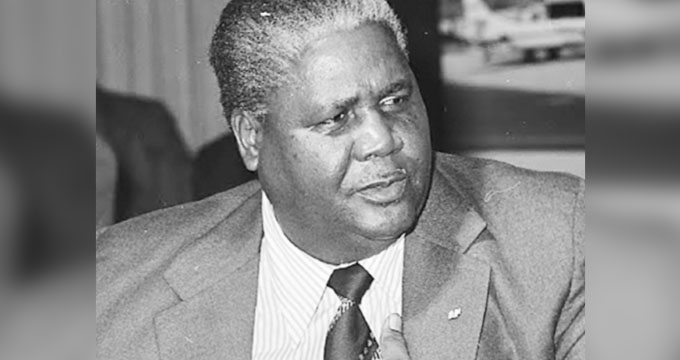
Dr Masimba Mavaza, Correspondent
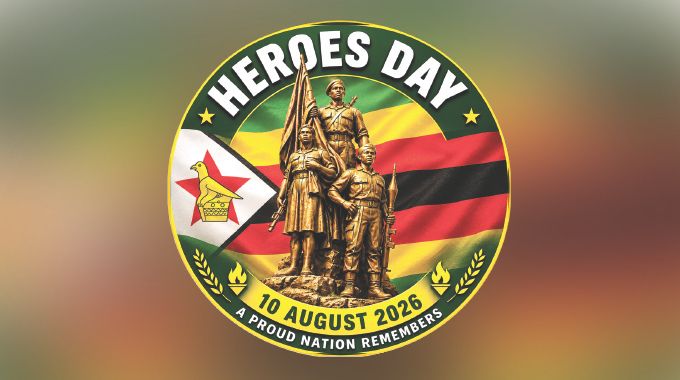
On Heroes Day we do not just remember names. We remember sacrifice, discipline, and the steel that refused to break.
This August, we pay tribute to the Zimbabwe People’s Revolutionary Army – ZPRA – and to the sons and daughters of Matebeleland whose blood, brains and bravery broke the back of Ian Smith’s Rhodesian regime.
THE HEARTLAND OF RESISTANCE – MATABELELAND
Matabeleland is more than a place on the map. Born from the Ndebele nation that settled in the southwest in the 1800s, it became the frontier of courage. From the wars of resistance against the British South Africa Company, to the farms of Bulawayo, Plumtree, Gwanda and the Midlands, Matabeleland has always stood at the frontline of defending African dignity.
It was geography and grit that made it ZPRA’s natural corridor. With primary bases in Zambia, ZPRA’s infiltration routes moved directly into Matabeleland South, Matabeleland North, and the Midlands. The people here opened their homes, their food, and their silence to the fighters. They built the supply lines, the safe houses, and the intelligence networks that turned villages into fortresses of freedom.
ZIPRA: BUILDING AN ARMY THAT FORCED A NATION TO THE TABLE
While others fought bush wars, ZIPRA built a conventional army. Backed by the Soviet Union, China, and other socialist states, ZPRA trained over 20 000 fighters into a highly disciplined, modernised force. This was not just guerrilla warfare. This was armour, artillery, air defence, and an elite intelligence wing known as the “Black Russians” designed to meet Rhodesian firepower head on.
Their contributions were decisive:
1. Conventional Warfare: ZPRA developed into the only liberation army with the capacity for conventional operations. This forced Rhodesia to stretch its resources and fear a full-scale invasion from the Zambian border.
2. Infiltration and Disruption: ZIPRA operated deep inside Rhodesia – from Mashonaland West to Plumtree, into Makonde, Gokwe and the Midlands. They tied down Rhodesian Security Forces across the country, proving the regime could not control its own territory. That pressure helped push Ian Smith to the negotiating table at Lancaster House.
3. Pan-African Alliance: ZPRA forged an early and celebrated alliance with the ANC’s uMkhonto we Sizwe. Together they trained at camps in Zambia and Angola to fight both Rhodesian and South African apartheid forces. It was internationalism in action.
THE “MEN OF STEEL” ETHOS IN MATABELELAND
ZPRA did not just recruit fighters. They built politically grounded operatives. The “Men of Steel” ethos meant discipline, unity, and respect for the people abantu.
In Matebeleland, this created secure zones from which ZPRA could strike regime targets and retreat safely. The presence of ZIPRA crippled the Rhodesian state’s ability to claim total control. The people of Matebeleland and the Midlands became the backbone — porters abathwali, informers, medics, and protectors.
THE LEADERS WHO CARRIED THE TORCH: ZIPRA COMMANDERS & ARCHITECTS
No history of ZPRA and Matabeleland is complete without its commanders, intelligence chiefs, political commissars and foot soldiers. These men and women carried the steel:
Political & Military Architects
— Cde. Joshua Mqabuko Nyongolo Nkomo — Father Zimbabwe. Founder of ZAPU and Commander-in-Chief of ZIPRA. His vision built ZIPRA into a professional army and his diplomacy kept the dream of a united Zimbabwe alive.
— Jason Ziyaphapha Moyo — ZAPU Vice-President. Political architect of ZPRA’s mass mobilisation. National Hero.
— George Silundika — ZAPU Secretary for Information & Publicity. ZPRA political commissar and strategist. National Hero.
— Joseph Msika — Senior ZAPU leader. Played a key role in logistics and political organization for ZPRA.
— John Landa Nkomo — ZAPU political leadership. Later helped steer post-independence reconciliation.
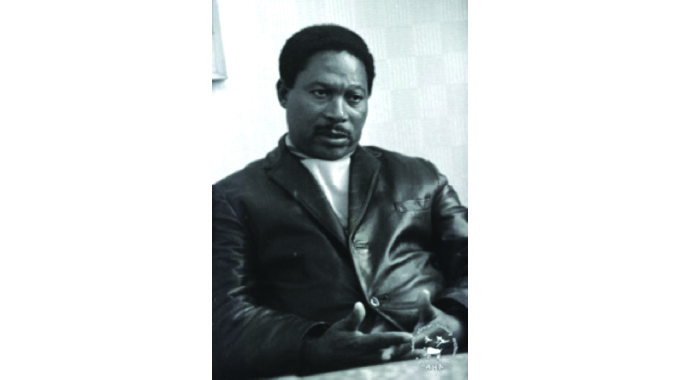
— Dumiso Dabengwa — The Black Russian. ZPRA Director of Intelligence. Built ZPRA’s intelligence and security wing. National Hero.
— Sydney Malunga —ZAPU Secretary for Foreign Affairs and senior diplomat who mobilized international support for ZIPRA. National Hero.
Military Commanders of ZPRA
— Alfred Nikita Mangena — First ZIPRA Commander and founder of the military wing. He set the doctrine of discipline. National Hero.
— Lookout Masuku — ZPRA Commander. Brilliant tactician who professionalized ZPRA training in Zambia and the USSR. National Hero.
— Robson Manyika — ZPRA senior commander. Operated in the Midlands front. National Hero.
— Samuel Mumpande — ZPRA Commander. Led operations in Matabeleland North. Provincial Hero.
— Martin Old Nicodemus — ZPRA Chief of Staff. Oversaw training and conventional force build-up.
— Wolfgang Kambwa — Senior ZPRA Commander. Known for infiltration operations into Bulawayo and surrounding areas.
— Abraham Nkiwane — ZIPRA Commander and later diplomat. Key in linking ZIPRA with international allies.
— Emmanuel Haddon — ZIPRA Commander. Operated in the western fronts and trained cadres in conventional warfare.
— Beatrice “Sister B” Ncube — ZIPRA Women’s Detachment Commander. Proved that women were also steel in the struggle, leading logistics and combat support.
– Jane Ngwenya – ZAPU Women’s League and ZIPRA mobilizer. Political commissar who organized women in Matebeleland to support the fighters.
THE UNSUNG “MEN OF STEEL”
Beyond the generals were thousands: the radio operators in Lusaka, the scouts who walked 200km with food on their heads, the grandmothers in Gwanda who hid cadres in grain bins, the young boys who acted as lookouts. ZIPRA’s true strength was that the army and the people were one.
WHY WE REMEMBER
ZIPRA did not just fight. It weakened the Rhodesian state militarily, politically, and psychologically. It proved that Africans could build a modern army. It proved that Matabeleland could not be silenced.
Heroes Day is not about mourning. It is about inheritance. The discipline of ZIPRA. The unity of Matabeleland. The courage to build institutions that outlive us.
As we remember them today, let us ask: Are we living with the same “Men of Steel” ethos?
Discipline. Service. Love of country above self.
Ukwazi ukuzithwala. Ukwazi ukuzinikela.
Lalani ngokuthula, Maqhawe ethu. Your steel holds us up today


 Bongani Ndlovu