Robin Muchetu Health and Gender Editor
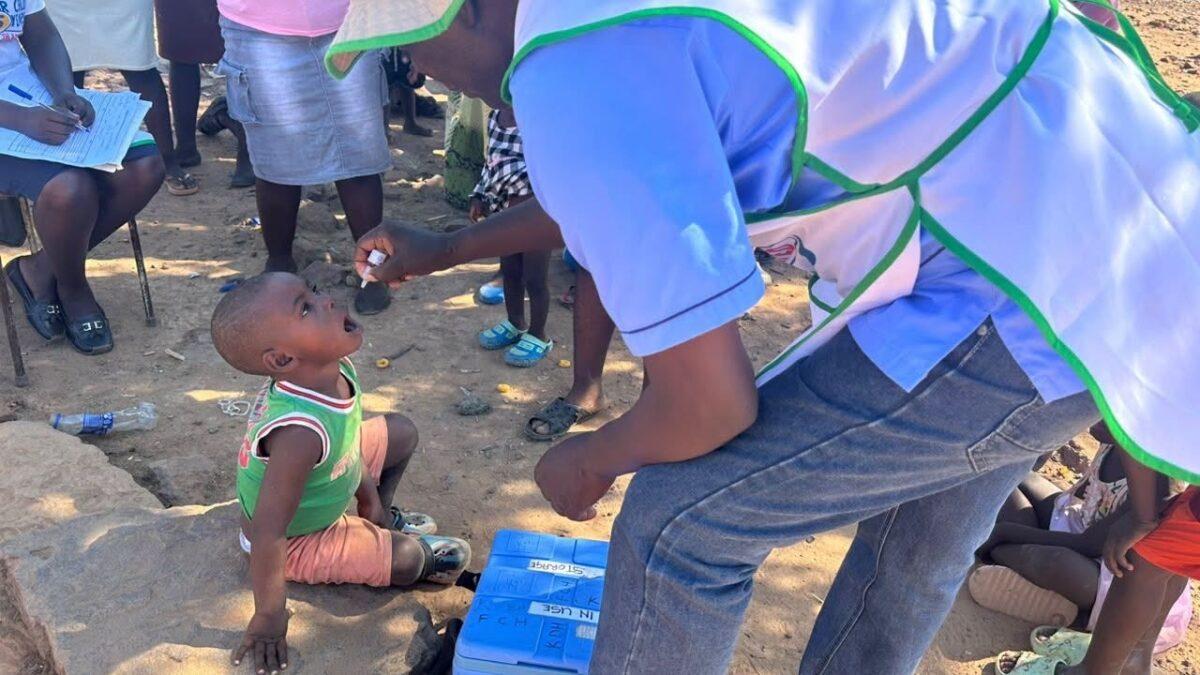
Zimbabwe joins the rest of the world in commemorating World Polio Day under the theme “One Day, One Focus: Ending Polio.”
The day is commemorated every year on 24 October.
Polio (poliomyelitis) mainly affects children under five years of age. It is a highly infectious disease caused by a virus. It invades the nervous system and can cause total paralysis in a matter of hours.
The virus is transmitted by person-to-person spread mainly through the faecal-oral route or, less frequently, by a common vehicle (for example, contaminated water or food) and multiplies in the intestine. Initial symptoms are fever, fatigue, headache, vomiting, stiffness of the neck and pain in the limbs. One in 200 infections leads to irreversible paralysis (usually in the legs).
WHO Regional Director for Africa, Dr Mohamed Janabi in his World Polio Day 2026 Message said prevention is better than cure.
“Every child should have the chance to grow up free from polio. Yet a disease we can prevent still causes irreversible paralysis, changing children’s lives and placing lasting demands on their families. As a doctor, I know how much prevention means when there is no cure,” he said.
Dr Janabi said on World Polio Day 2026, WHO renews its commitment to protecting every child while noting Rotary International’s campaign call, “One day, one focus: ending polio for good”, expresses an ambition shared by all.
“Achieving it requires sustained attention throughout the year, wherever children are still being missed, we remain committed to protecting every child from poliomyelitis, a serious illness that can cause paralysis, disability and death,” he added.
The Ministry of Health and Child Care said today they also celebrate the milestones Zimbabwe has achieved on the path to global polio eradication, which include:
Sustained high routine childhood polio immunisation coverage, the last detection of wild poliovirus in 1986 and certification as polio-free in 2005 and timely introduction and switching of polio vaccines in line with global eradication recommendations.
WHO also accredited the National Virology Laboratory, enabling local and timely detection of polioviruses.
The Ministry also recorded another win through the introduction of environmental surveillance, including testing wastewater for polioviruses and the control of circulating polioviruses through intensive vaccination campaigns.
“While maintaining public confidence in the national immunisation programme, we recognise the dedication of our health workers and partners. Let us continue working together towards a polio-free Zimbabwe and a polio-free world,” said the Ministry.
@NyembeziMu