admin
adminlabour to negotiate over key socio-economic matters. The TNF has been in existence since 1998 as a voluntary and unlegislated chamber in which socio-economic matters are discussed and negotiated over by the social partners.
The framework for social dialogue through the TNF is provided for in its Founding Principles, which provide for membership, terms of reference and guiding values among other provisions. TNF business is underpinned by consensus building and win-win-win arrangements. Since its formation in 1998, the TNF has pursued dialogue on many issues affecting the socio-economic landscape of the country.
This has ranged from economic stabilisation to the promotion of a broad common national vision for development. Although the TNF has scored significant success, the lack of a legal framework for the TNF has undermined the full potential of the Forum.
The decision for the legislation of the TNF was arrived at in consideration of the social dialogue institutions in other countries, in particular the National Economic Development and Labour Council (NEDLAC) of South Africa.
NEDLAC is considered to be one of the good models of social dialogue, and among some of its good practices, legislation of social dialogue is one of the aspects considered to be equally ideal for the Zimbabwean situation.
A study of other social dialogue institutions revealed that a large part of their success is due to the existence of an enabling Act of Parliament that provides for the structure, objects and function of the institutions.
This legislative authority gives the social dialogue institutions a clear mandate and legitimate influence in the management of economic and social policy.
At its meeting on September 16, 2010 the TNF approved the enactment of an Act of Parliament for the TNF and the establishment of a Constitution of the TNF. The TNF considered the enactment of an Act of Parliament to be the best option given that the scope and functions of the TNF are not presently contemplated in any existing legislation.
The enactment of a TNF Act will enable the emergence of a more accountable, transparent, effective and responsive social dialogue platform capable of contributing to the development of the country.
Legislation would also make the TNF a juristic persona that is capable of performing all acts that a body corporate may by law perform. The purpose of the proposed Act would be to provide for a legal framework for consultation, negotiation and co-operation on broad social and economic issues by Government, organised business and organised labour.
The proposed TNF Act shall not replace legislation covering industrial relations such as the Labour Act.
Workplace or industrial relations issues will remain under the jurisdiction of the various labour relations instruments currently in place. The proposed Act is to define the parties to social dialogue and provide the membership of each constituent at the TNF.
It shall provide for the manner of representation of parties at the TNF with appointees freely and independently chosen by the respective tripartite constituents. The Act will bind specific members to participate – in good faith – in the work of the Forum at appointed times and in a prescribed manner.
The proposed Act shall provide for the representation of parties at the appropriate and highest level possible for each tripartite constituent for all structures of the TNF.
This manner and level of representation would enhance commitment, effective participation and conclusion of binding agreements.
The proposed Act shall provide for the equality of the parties through participation of constituents in equal numbers within the TNF structures. This would foster stakeholder commitment and mutual ownership to the social dialogue process.
The Act shall provide for the observance by parties of fundamental principles that guide the social dialogue process for it to be meaningful, sustainable and effective. The fundamental principles include the subordination of sectoral interests, as well as the exercise of mutual respect and accountability to one another.
The Act shall identify the core structures of the Forum and prescribe the functions of each level thereby establishing a clear chain of command to facilitate accountability, co-ordination and efficiency.
It shall outline the structures of the TNF. The main TNF is the supreme policy and decision making arm of the Forum, which is supported by three policy clusters that are divided into social, economic and labour market policy issues. These policy clusters are supported by a Technical Committee which does all the technical work of the TNF and is representative of all the TNF stakeholders. The Act shall provide for the working methods on how issues are tabled for discussion and the manner in which agreed positions are referred to Cabinet for approval and implementation as legally binding on the parties.
The Tripartite Agenda Setting Committee sets the agenda of the TNF. The secretarial work is backstopped by a TNF secretariat. The Government in line with the practice of the International Labour Organisation at its international conferences and Governing Body sessions shall chair the TNF.
The TNF Act shall provide for the duties of the TNF’s chairperson, and co-chairpersons drawn from the social partners, to convene and preside over deliberations and to implement the TNF decisions. It would also provide for the co-ordination role of chairperson and co-chairpersons, including the role to provide liaison with constituent organisations such as Government ministries and departments, employers and workers in the implementation of decisions and agreements of the TNF.
This legally enabled co-ordination role would enhance the implementation and monitoring of agreements. The Act shall provide for the convening of periodic consultative sessions for the purpose of wider participation and consultation with various stakeholders that include the academia and development institutions, among others. It shall provide for the appointment of a mutually agreed Patron of the TNF whose person and office shall be a champion for social dialogue process. The Patron shall attend special sessions of the TNF to be convened from time to time.
The Minister responsible for Labour Administration shall administer the TNF Act. The TNF will be backstopped by an independent secretariat, the roles and functions of which shall be provided by the Act.
The manner of appointment of the secretariat’s executive authority shall be provided for in the Act. The TNF should be supported by an independent secretariat that is able to backstop the social dialogue process with greater efficiency.


Online Reporter
- Herald
- September 21, 2026
- 23 views
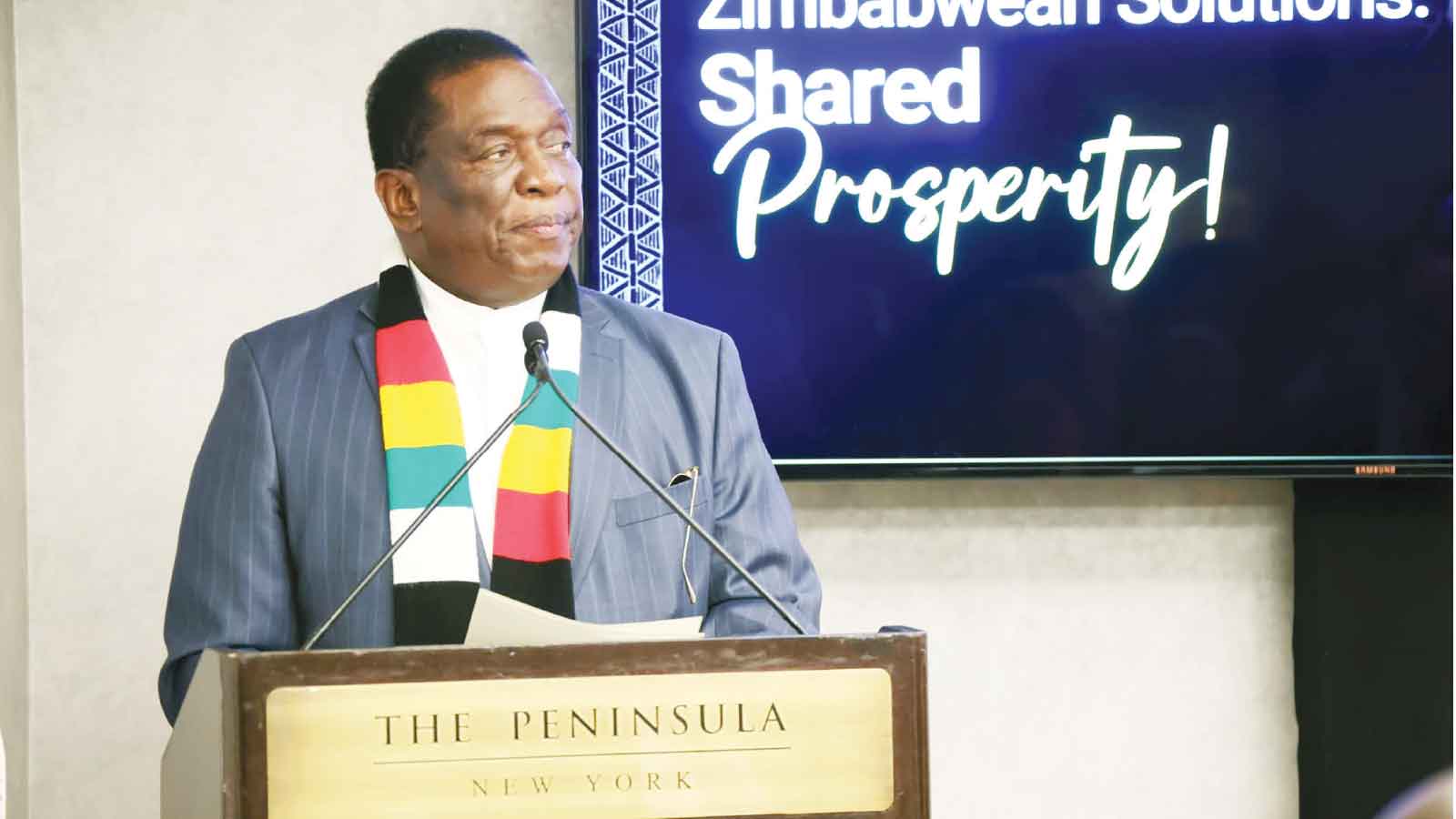
President leads US charm offensive
Wallace Ruzvidzo in New York, United States ZIMBABWE is one of Africa’s most compelling trade, investment and tourism destinations, with the country opening its doors to capital, technology, expertise, innovation,…