

 Online Reporter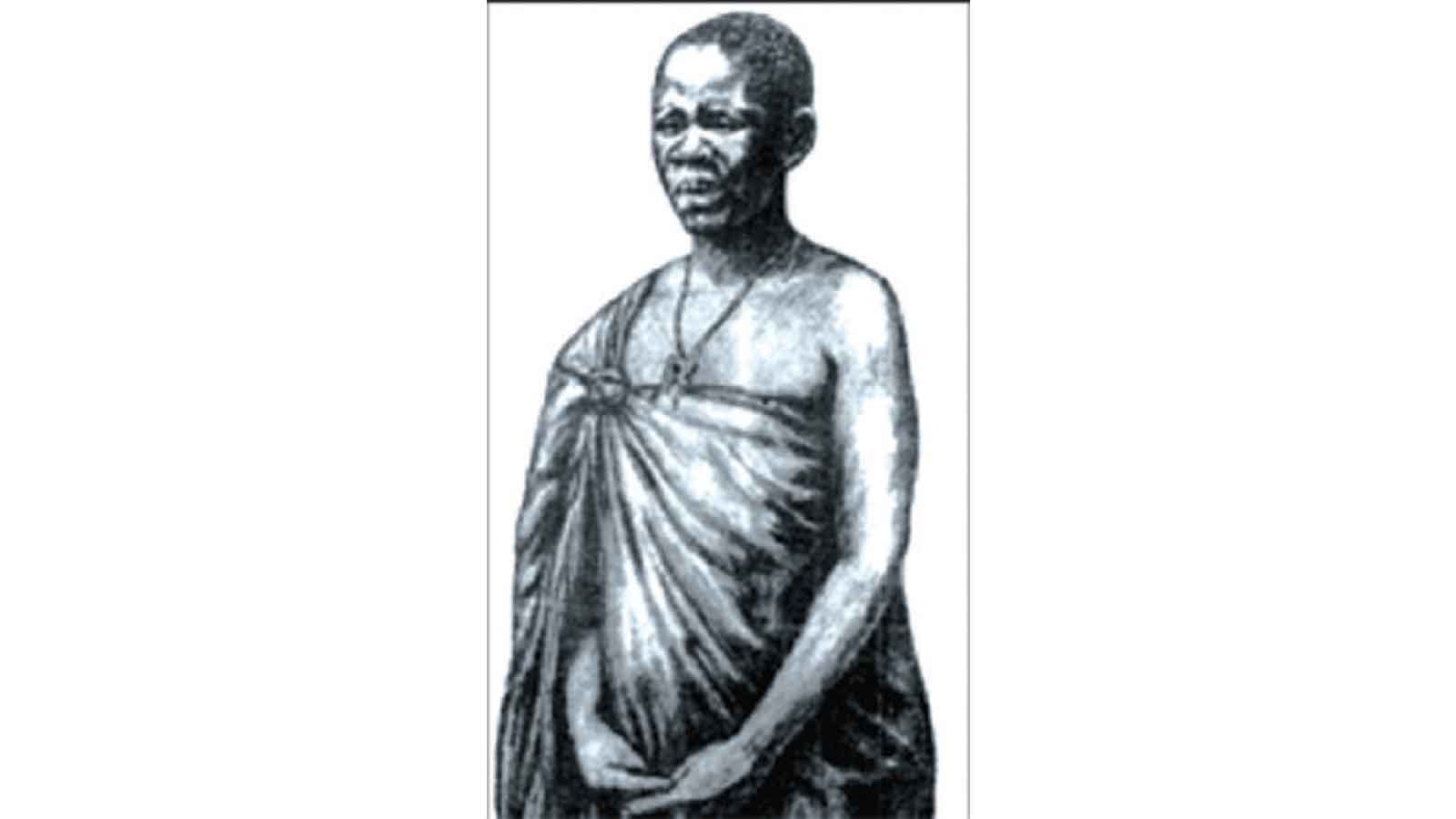
Marilyn Mutize
As Zimbabwe marks its 46th Heroes Day this August 10, we gather at the National Heroes Acre and across every province to lay wreaths, lower our flags, and remember the tens of thousands who paid the ultimate price for our independence.
We honour the gallant sons and daughters who took up arms, who endured detention, torture, exile, and death so that we might breathe the air of freedom.
But as we recite the familiar names etched in stone , Nehanda, Kaguvi, Nkomo, Tongogara, Chitepo, there is a quieter, deeper history that demands our attention.
It is the history of the women, the heroines and the ordinary community collaborators without whom the liberation struggle could never have been won.
Heroism in Zimbabwe has too often been defined narrowly by the uniform worn, the rank held, the gun carried.
But the full truth of our liberation is this, the armed struggle was sustained, nourished, and made possible by a vast invisible army of rural and urban women mothers, daughters, grandmothers, and young girls who cooked for fighters, hid them, nursed them, carried messages through enemy zones, fed the guerrillas from their own meagre harvests, and often paid with their lives when discovered.
Their heroism was not less because it was not always visible on the battlefield. It was the very soil in which our freedom grew.
Our story begins in 1896, with the woman whose name became the very soul of Zimbabwean resistance, Mbuya Nehanda Nyakasikana. She was not a general in the conventional sense.
She was a spirit medium, a woman who spoke with moral authority that crossed clan and ethnic lines.
When the white settlers occupied our land, it was her voice that united the Shona people in the First Chimurenga.
Captured and sentenced to death, her final words were not a plea for mercy but a vow that echoed down through the decades: “My bones will rise again.”
That was not a curse. It was a promise and eighty years later, during the Second Chimurenga, those words would ring true as young guerrillas carried her name into battle.
Nehanda was not alone.
Mukwati and Chaminuka, and other female spirit mediums, inspired, coordinated, and sustained resistance at a time when political parties did not exist.
They remind us that the first heroines of our nation fought not with rifles alone, but with courage, conviction, and the power of the human spirit.
Fast forward to the 1960s and 1970s.
As the liberation struggle intensified, thousands of women stepped forward some crossing the borders to join ZIPRA and ZANLA as combatants, others remaining inside the country to become the backbone of the struggle at home.
Those who went abroad included heroines such as Sally Hayfron Mugabe, who in the early 1960s organised women, raised funds for detainees’ families, and served as a vital link between the underground movement and the outside world long before she ever became First Lady.
Victoria Chitepo, wife of national leader Herbert Chitepo, was herself a fearless organiser who endured detention and separation, yet continued to build the women’s wing of the movement.
Mai Maud Muzenda ran an underground network from the high-density suburbs, treating wounded fighters, smuggling medicine and money, and risking her family every single day.
Shuvai Mahofa, Vivian Mwashita, and Ellen Gwaradzimba who joined at just 16 years old trained in Mozambique and Tanzania, survived massacres at Chimoio and Nyadzonya, and returned to lead with quiet distinction.
Today only 17 heroines rest at the National Heroes Acre , a number that represents but a fraction of those who served. But even greater in number were those who never left the country the mujibhas (young male collaborators) and especially the chimbwidos the young women and rural housewives who became the lifelines of the guerrilla army.
In the north-eastern districts, women systematically slaughtered settlers’ cattle, sabotaged the white agricultural economy, and fed guerrillas at great personal risk often going hungry themselves so that the fighters could eat.
These women were not on the official payroll.
They received no uniform, no formal rank, no pension. When the Rhodesian security forces raided villages, they were the first to be beaten, imprisoned, or killed. Yet they never wavered. As one veteran put it: “The gun fought the battle, but the woman fought the war.”
Heroism did not end in 1980. If the fighters won the war, it was the teachers, nurses, rural traders, community leaders again disproportionately women who helped us win the peace.
Figures like Mai Musodzi, who in the colonial era founded the African Women’s Club in Salisbury to build mutual aid, nursing skills, and economic empowerment decades before the war reached its peak.
These were women who understood that political freedom means nothing without social dignity, health, and education.
Today, a new generation of heroism is emerging not always in combat fatigues, but in the rural health clinic, the classroom, the farm, the small business, the community organisation.
The teacher who walks 10 kilometres each day to reach learners in a remote area; the mother who farms arid land to feed her children despite drought; the young woman who leads a community savings cooperative; the nurse who works double shifts without complaint these too are the heroes of our time.
This August 10, as we gather under the theme “Lest We Forget,” let us not forget that our liberation was a collective, people’s victory. It was not won by a few leaders alone. It was won by a nation in arms and in that nation in arms, women stood shoulder to shoulder with men, often in the front lines, always in the foundations.
There are important lessons here for Zimbabwe in 2026. Our heroes did not fight for tribalism.
They did not fight for corruption. They did not fight so that a few could enrich themselves while the many remain poor.
They fought for land, dignity, equality, unity, and self-determination.
When we fail to recognise the women who built this nation, when we marginalise them in our boardrooms, our parliaments, our leadership structures, we are betraying the very values for which our heroines sacrificed their lives. A nation that does not honour its mothers cannot truly honour its sons.
We must also ask ourselves: Who are the heroes of today?
In an era of economic difficulty, climate change, and global uncertainty, the struggle has changed.
The enemy is no longer a colonial flag, but poverty, inequality, corruption, and underdevelopment.
And the new heroes are those who serve the people faithfully whether in government, on the farm, in the classroom, or in the home.
Heroism remains the same: it is service above self. It is sacrifice for the common good. It is the unshakeable belief that Zimbabwe belongs to all her children.
The Tomb of the Unknown Soldier at Heroes Acre represents tens of thousands whose names we will never know.
Among those unknown, the majority are women young girls who carried messages, mothers who gave their last meal to a stranger, grandmothers who hid fighters in the roof of their huts.
Today we salute them. We remember that Nehanda’s bones did rise again and they were the bones of every woman who stood tall in the face of oppression.
Let this Heroes Day be not just a remembrance of the dead, but a pledge from the living, to build the Zimbabwe they dreamed of one where every citizen, man and woman alike, stands equal in dignity, in opportunity, and in freedom.
The struggle continues. The covenant must never be broken.



