Andrew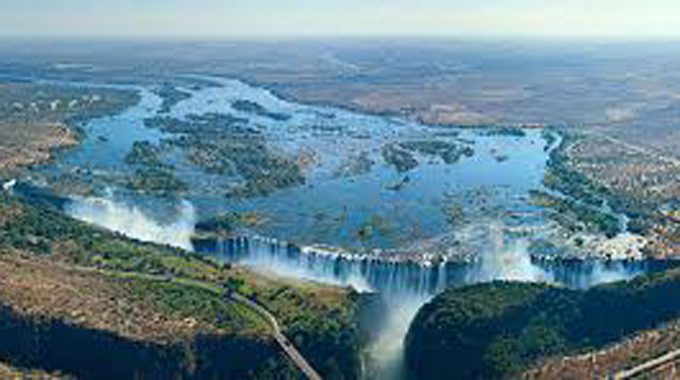
Charles Mavhunga
The architectural stature of Zimbabwe’s tourism brand is hidden in the colonial history, which remains untold. This article presents an analysis of dominating colonial issues that damaged the country’s tourism brand relationship spectrum for more than a century, and there is need for a relook at the issue.
The ambiance of natural features of the tourism product brands in Zimbabwe is far deeper and more vibrant than the current experience, but distortions made by colonial rubrics should be unearthed to authenticate the crucial physiognomies of the country’s destination attractions.
National brand architecture in the tourism industry refers to how the country structures and organises its product/brand portfolio in terms of naming, positioning and marketing the products.
The essence of brand architecture is the creation of a blueprint that guides the brand-building exercise, development and marketing of tourism products. The brand’s architectural character is reflected by names, symbols, objects and concepts that are bundled into the cultural and historical facts of the country.
In Egypt, the history of pyramids is one, and is correctly captured in both context and meaning, hence, the Egyptian Tourist Authority promotes Egypt as a monolithic tourist brand, with taglines such as “The Gift of the Sun” and “Nothing Compares”.
Tourists visiting Egypt are captured by a single brand image of the country, thus, brand architecture. However, in the case of Zimbabwe’s tourism brand architectural status, there are issues of concern that we will look at below:
The creation of the Royal Charter of the British South Africa Company, which was incorporated in 1889 at the instigation of Cecil Rhodes, distorted the country’s tourism architecture.
The charter empowered colonialists to acquire and exercise commercial and administrative rights in South-Central Africa, (Zimbabwe included), and this caused a change in the country’s brand and heritage values for more than a century.
The dominance of colonialism popularised the brand values of Zimbabwe in error, and tourists missed the tranquillity of the Zimbabwean culture in its real sense. Traditional chiefs responsible for protecting the heritage values and cultural aspects of the country were disempowered by the British charter, and the cultural aspects and values (tsika dzedu) that define the Ubuntu philosophy were disturbed and removed from the picture.
This means the actual brand architectural experience of Zimbabwe, which is characterised by tranquillity, was missed along the way.
In this line of thinking, a resort centre such as Mosi-oa-Tunya lost its name through David Livingstone, who claimed to have discovered the country’s treasure and renamed the sacred place Victoria Falls in recognition of Queen Victoria, disempowering the Tonga people who were resident in the area.
The birthrights of the Zimbabwean Tonga people were diffused in the communication of news by colonialists, who reported to the global world that the Mosi-oa-Tunya Falls had been discovered and should be known as the Victoria Falls. The colonial system removed the length and breadth of the real cultural value, brand authenticity and heritage meaning of Mosi-oa-Tunya.
What was inherited regarding the mighty falls were distorted historical facts. They were popularised using the wrong history. This means colonialists popularised Victoria Falls instead of Mosi-oa-Tunya, and there is need to correct this error.
Tourism brands are intangible products, and communication of trust is important to attract tourists. Trust is created by a history whose facts are not distorted, but are clearly articulated and presented.
It is a fact that Livingstone was a visitor to Zimbabwe, and was nowhere near discovering the Mosi-oa-Tunya Falls because the Tonga people were already in the area, and they used to treat the mighty falls as sacred and valuable.
However, Livingstone decided to use colonial domination to rename the place Victoria Falls, in the absence of authentication from the people of Zimbabwe in the area. He violated copyright rules and patents associated with the Mosi-oa-Tunya Falls simply because Zimbabweans were not used to the culture of writing and recording their history.
Livingstone used his personal authority and the spirit of dominance to rename the country’s treasure to Victoria Falls in recognition of his own Queen Victoria, instead. This created distortions in brand architecture.
The renaming of Mosi-oa-Tunya Falls to Victoria Falls remains a misalignment for the country’s tourism industry. The Zimbabwe Tourism Authority (ZTA), therefore, needs to relook at this issue to ensure that sacred areas in the country retain their original status in the march towards brand architecture.
In essence, the brand architecture reflects all key components of a brand – including its positioning, rational (head) and emotional (heart) benefits and associations, together with its brand personality.
It remains an error for an important place such as Mosi-oa-Tunya to continue to be associated with Queen Victoria yet Zimbabweans have a record of the correct name for the place.
The concept of authenticity in tourism branding is an important factor to consider. Tourist attractions need to essentially undergo a process of creating meaning and value that is authenticated by correct reports of destinations. The key to enhancing the appeal of tourist destinations is hidden in the historical facts of the destination to establish trust and meaning.
Sacred areas in the tourism industry should have the support of authentic brand information.
It is against this background that this article appeals to the authorities in Zimbabwe to relook at the distortions that were made by colonialists to improve the brand status of tourism products in the country.
The country’s tourism brand is growing very fast following reports produced by the ZTA, but a relook at the historical factors that crippled the real boost is important:
The Companies
[Act No.47 of 1951]
The Act established stringent business registration requirements for indigenous black entrepreneurs. However, for white entrepreneurs, the requirements were not tough.
This is the reason the majority of Zimbabweans are not found in the tourism business. For a period of 100 years, their special business was retailing, and tourism was a nightmare.
The colonial system was a stumbling block until freedom fighters took up arms to remove the colonial yoke. Today, we now have pockets of companies that are running tourism businesses, and the brand values are growing strong.
The Urban Councils and Regional Town and Country Planning
[Act no. 22 of 1976]
The Act empowered the local government to regulate the type, location and activities of black-owned businesses and offered an open cheque to white people to operate any type of businesses with no limitation.
The local government was also empowered to demarcate certain areas to be for whites only such that blacks would be prosecuted if found moving around those places. This law was, indeed, a stumbling block for black Zimbabweans to run and own a business in the tourism industry.
For 100 years, Zimbabweans were in a dark world, with no understanding or appreciation of the tourism industry.
Hats off to those who liberated the country, and hopefully our education system and skills development will continue to nurse the colonial wounds to ensure that the architectural experience of the tourism brand is restored.
The land apportionment
[Act of 1930]
The Act empowered the whites-only government to move blacks from fertile land to poor and reserved areas, and allocate fertile soils to whites. This left blacks languishing in poverty. The Act reduced black people to labourers on farms owned by whites. The white farmer paid peanuts as wages.
The Act also moved blacks from their original areas that contained their heritage values. This neutralised the heritage sites.
Blacks lost natural intellectual property associated with the spirit of originality of the majority of resort centres in Zimbabwe, thus, causing a serious misalignment of heritage values that are important in tourism brand architecture.
In short, the vibrancy of the tourism industry is hidden in brand architecture, and errors made by the colonial regime need to be corrected to establish the aesthetic expressions that are associated with brand architecture for Zimbabwe.
With the new Parliament building in Mount Hampden now complete, we expect parliamentarians to breathe fresh air, which is important for them to rethink the removal of colonial hangovers that continue to distort the country’s tourism brand.
The mighty Mosi-oa-Tunya was raped and renamed Victoria Falls, and the tranquillity affirmations of the Zimbabwean culture got lost along the way. It is necessary to restore the dignity and identity of the Mosi-oa-Tunya Falls to complete the branding process of the country’s tourism industry.
Charles Mavhunga co-authored textbooks in Business Enterprising Skills and is currently studying for a PhD in Management at Bindura University. He can be contacted at [email protected]



 Online Reporter