Online Reporter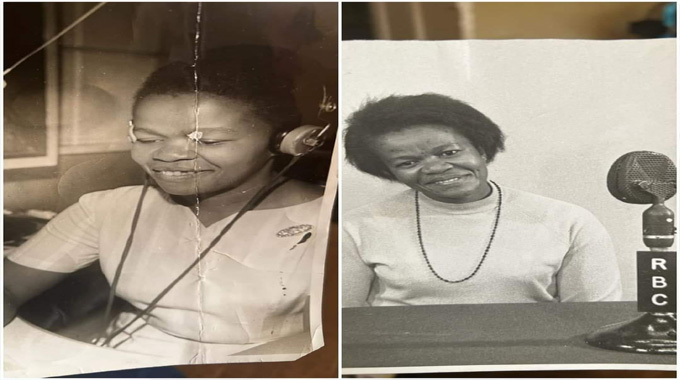
Mbulelo Mpofu, [email protected]
LAST week, the globe celebrated the annual World Radio Day (WRD), a day set aside to acknowledge broadcasters for the news they deliver, the voices they amplify and the stories they share. With this year’s theme centred on the importance of adopting and using Artificial Intelligence (AI), the deeper significance lay in celebrating a revolution within the media and broadcasting sector — one in which women are increasingly leading the charge.
The emotional timing of the celebration was heightened by the recent passing of veteran broadcaster John Masuku on World Radio Day itself. Masuku, Unesco’s 2023 World Radio Day International Campaign Co-ordinator and a prolific writer, dedicated his life to the medium and was an ardent advocate for recognising the immense contributions of his female colleagues.
As a tribute to his legacy and the enduring power of radio, this piece draws from Masuku’s own archives and observations to spotlight the remarkable women — both legendary pioneers and contemporary voices — who have shaped Zimbabwe’s broadcasting landscape.
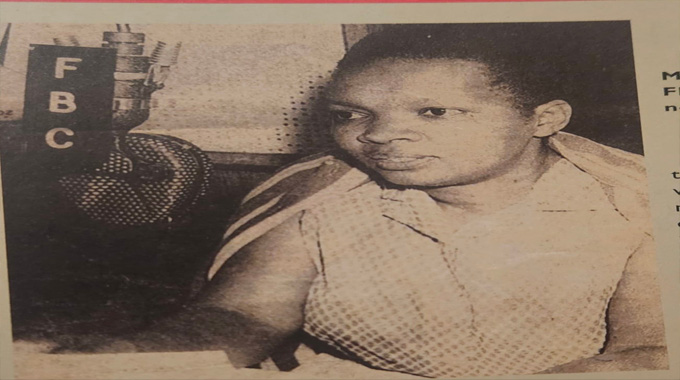
Masuku’s recollections paint a vivid picture of the formidable women who graced the airwaves in the 1950s, 60s and 70s, an era defined by reel-to-reel tapes and the early years of television.
He fondly remembered working alongside them at the Rhodesian Broadcasting Corporation (RBC)’s African Service (later Radio Two, now Radio Zimbabwe) and on early television broadcasts such as Television Mashonaland and Television Matabeleland.
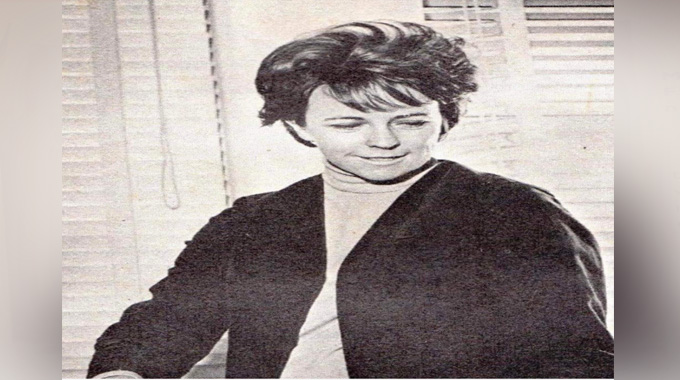
The pioneering women celebrated by Masuku were household names, crafting informative, educative and entertaining programmes that defined generations.
Foremost among them was Mavis Moyo, a true trailblazer who began broadcasting during the Federation of Rhodesia and Nyasaland while still a teacher, and later founded the Federation of African Media Women (FAMWZ, now Gender & Media Connect) in 1985.
Alongside her were formidable personalities such as Marjory Chapman, renowned for her fluent Shona and diverse productions on the RBC African Service, and Mavis Gumede (Justice Mavis Gibson), whose career advanced from the airwaves to the bench as a High Court judge in both Zimbabwe and Namibia.
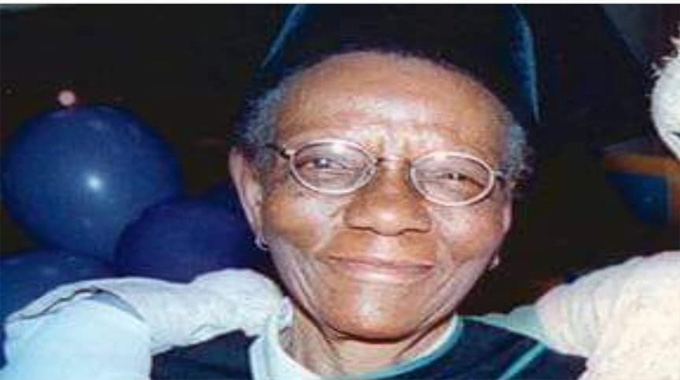
Jill Baker Lambert Elford was another giant — a celebrated newsreader and commercial broadcaster who not only played a pivotal role in the establishment of Radio Three (now Power FM) but also witnessed the closure of iconic local stations such as Radio Jacaranda, Radio Matopo and Radio Manica at Independence, before eventually founding her own production house.
Abbie Dube kaTebele commanded the Ndebele airwaves on Radio Mthwakazi, hosting popular talk shows and interviews, most notably the socially conscious Inhlupho Zanamhla.
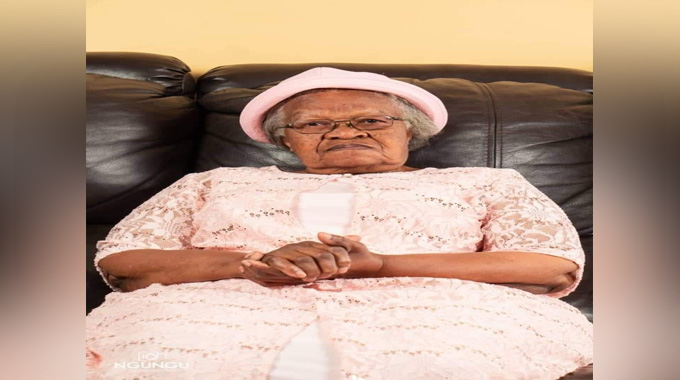
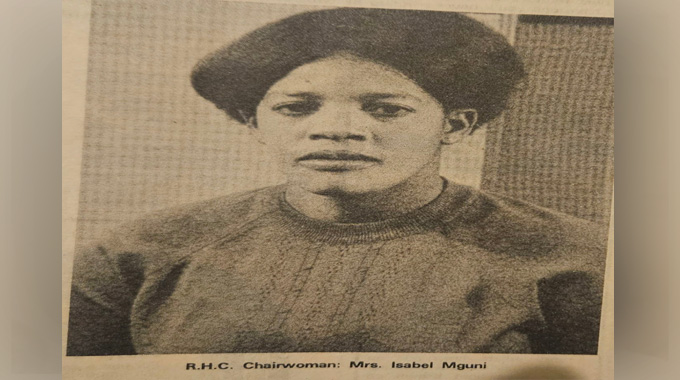
These women’s influence extended deeply into community life and cultural expression. Shiyeka Khumalo and Isabel Mguni were central figures in the influential Radio Homecraft Club, with Khumalo co-producing and anchoring from Salisbury (Harare) and Mguni chairing and hosting from Bulawayo.
Caroline Thonycroft became a trusted voice through her English news reading and diverse programming, while Jean Zulu, drawing on her nursing background, anchored vital health related broadcasts that served the public good.
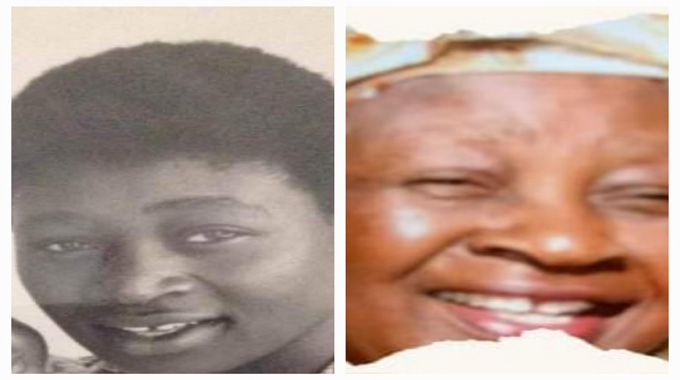
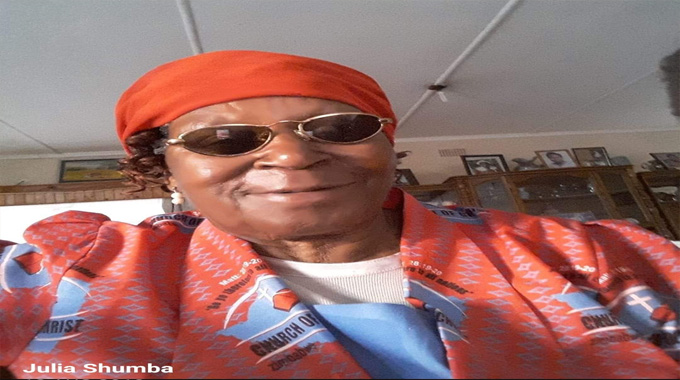
Julia Shumba occupied a significant place as one of only three full-time women broadcasters at Harare Studios when Masuku began in 1974. She personally trained him in studio operations before resigning after her husband’s transfer to Gweru.
This era also saw the invaluable contributions of Jane Esau. Beginning her journey at Audio Visual Services (AVS), she became widely known through radio advertising and her practical programme In the Kitchen with Jane, setting the stage for broadcasters such as Rebecca Chisamba and Mabel Sikhosana who later worked at AVS.
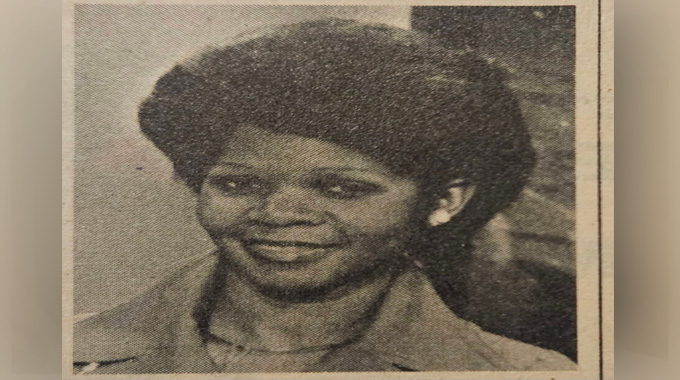
Zimbabwean broadcasting was further enriched by voices dedicated to children and by the collective strength of freelance talent.
Beloved children’s programmes like Abancane Qha, Nguva Yevana Vadiki, and Mitambo Yevana Vadiki were given life by the warmth and wisdom of “The Ambuyas”: Miriam Mlambo ka Ambuya Chiramba, Sarah Bakasa (mother of Prof Hope Sadza), and Gogo Silamba (mother of TV producer Robert Silamba). Masuku himself produced Mitambo Yevana Vadiki, presented by Ambuya Bakasa, as well as Zvidzidzo Zvekuruka.
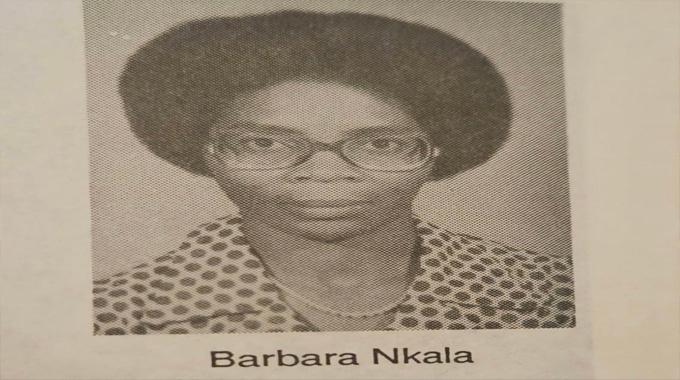
Equally influential was “The Freelance Force”, a remarkable group whose contributions enriched numerous radio and TV programmes. It included Tsitsi Munyati (later Senator and Deputy Minister of Education and Culture), Ruth Mpisaunga, renowned author Barbara Nkala, Musa Ramushu, Tsitsi Musarurwa, Mantinti Tshatedi (now a Methodist Church minister), Connie Makaya, Amai Kanogoiwa and Esnath Mapondera. Their diverse talents ensured a dynamic and multifaceted broadcasting environment.
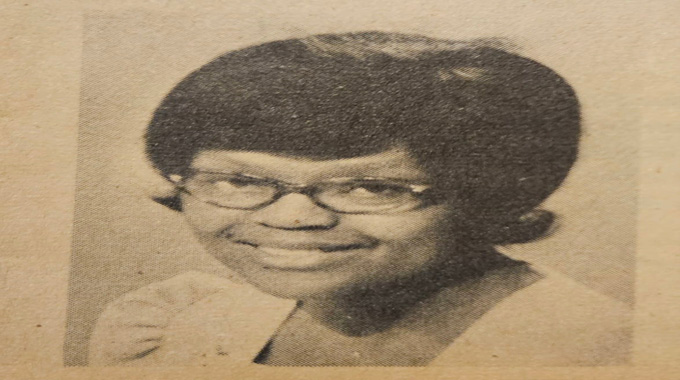
Masuku observed that the years leading to Independence brought an exciting new generation of broadcasters, including Thandiwe Khumalo, Mandisa Mandy Mundawarara, Busisiwe Mhlanga (aka Busisiwe Chindove), Musi Khumalo (Mlambo) and Nonceba Mnkandla (née Siwela).
The foundation laid by these pioneers has allowed contemporary voices to flourish. Among those carrying the torch with distinction is Maria Nombulelo “Mntase” Masoka, the seasoned station manager of Khulumani FM.
Born in Marhawane, Mbembesi, and a proud Xhosa woman, Masoka embodies the breaking of barriers. With more than two decades of experience, she began her career as a pioneer at ZBC’s National FM under the formidable “iron lady,” Phathutshedza Manala.
Masoka has navigated diverse roles — from politics to entertainment — demonstrating that excellence and authentic representation transcend all boundaries.
Her journey mirrors the ongoing transformation of Zimbabwean broadcasting, where women continue not only to participate but to lead, innovate and shape the country’s narrative landscape.
From the reel-to-reel pioneers to digital age leaders like “Mntase”, Zimbabwe’s women broadcasters have been — and remain — the vital heartbeat of the nation’s airwaves. Their voices have educated, informed, entertained, challenged and comforted generations.
As we reflect on WRD and honour the legacy of champions such as John Masuku, who so passionately celebrated these women, we pay tribute to the remarkable broadcasters — past and present — whose dedication ensures that radio continues to be a powerful force for connection, community and change in Zimbabwe. —@MbuleloMpofu