Online Reporter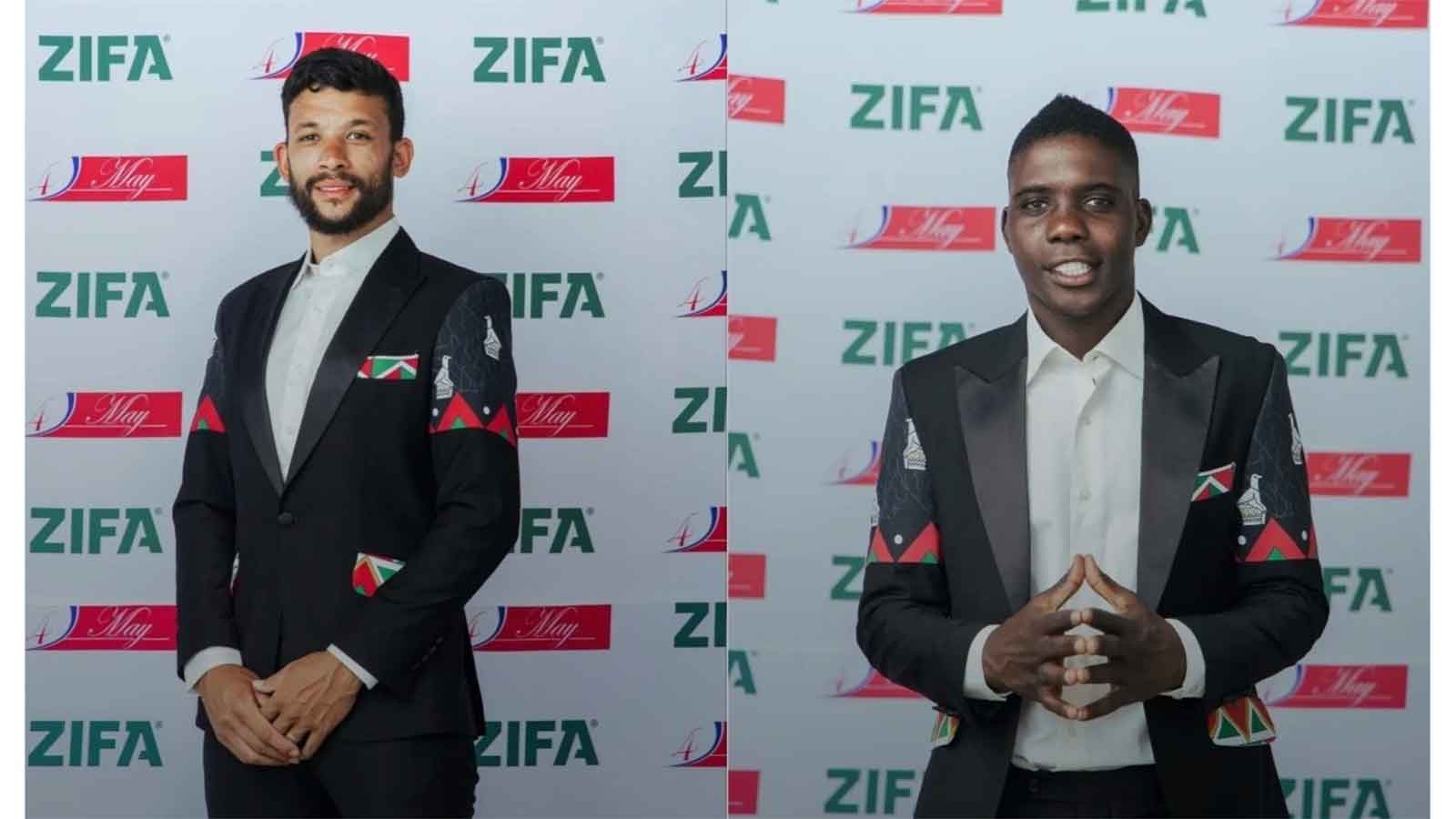
Fashion 263 Writer
For years, football fashion in Zimbabwe largely revolved around match jerseys, tracksuits and the occasional formal blazer during international assignments.
But a new era appears to be unfolding around the Zimbabwe national football team, where style, presentation and identity are increasingly becoming part of the game itself.
Wearing suits, of course suits.
The Warriors are no longer only chasing victories on the pitch. Off the field, they are quietly becoming one of African football’s growing fashion statements, with their recent appearances drawing admiration from supporters and fashion enthusiasts alike.
From the Africa Cup of Nations (Afcon) tournament, where Zimbabwe was voted among the best-dressed delegations — with their suits in our national fabric design courtesy of 4May International, their main fashion house sponsor — to the recent United Kingdom friendly match send-off, the Warriors have slowly built a reputation for elegance, coordination and modern African style.
In many ways, football fashion has become part of Zimbabwe’s soft power.
Images of players arriving in coordinated outfits, confidently embracing African-inspired tailoring and modern cuts, have circulated widely on social media, earning admiration from fans who believe Zimbabwe is finally matching international standards in sports presentation.
While football supporters traditionally focus on tactics, results and squad selection, fashion conversations have increasingly found their way into the game.
Supporters now discuss arrival fits, travel wear and official appearances with the same passion usually reserved for match analysis.
And the Warriors have responded.
During the Afcon tournament, Zimbabwe’s travelling squad attracted attention for its polished and coordinated fashion identity, with many fans online ranking the team among the continent’s best dressed.
What stood out was not extravagance, but simplicity, elegance and confidence.
The styling reflected a shift from outdated sportswear culture towards a more intentional image that blends professionalism with Zimbabwean identity.
The recent UK friendly preparations further cemented that narrative.
At the Warriors’ send-off dinner in Harare on Tuesday evening, players once again stepped out in carefully tailored outfits that highlighted how fashion is slowly becoming intertwined with football branding.
The dinner itself became more than just a farewell gathering.
It turned into a celebration of football’s growing commercial and lifestyle appeal in Zimbabwe.
Sports Minister Lieutenant General (Retired) Anselem Sanyatwe and Nqobile Magwizi used the occasion to praise corporate partners and sponsors backing Zimbabwean football.
While the speeches focused on investment and restoring confidence in local football, fashion observers could not ignore how image-building has become part of that transformation.
“Ladies and gentlemen, as Government, we commend the investment being made into football across the country,” said Sanyatwe.
“We applaud the support being provided by stakeholders, including corporate partners and sponsors, towards our football.
“The support is commendable and it is restoring confidence in the beautiful game in our country.”
Magwizi echoed similar sentiments while thanking partners for continuing to support the national team.
But beyond sponsorship acknowledgements, the evening reflected something deeper — the growing understanding that football today is also about branding, image and cultural relevance.
Globally, football and fashion have become inseparable. European clubs now collaborate with luxury fashion houses, while players are increasingly recognised as style influencers.
Zimbabwe may still be developing commercially in football terms, but the Warriors’ evolving fashion identity suggests local football is beginning to understand the power of presentation.
Traditionally, sports fashion partnerships in Africa were dominated by foreign brands.
Now, local creative companies are beginning to occupy that space and shape national sporting identity through clothing and presentation.
The Warriors’ growing reputation for style has therefore sparked wider conversations about supporting homegrown fashion industries and creative entrepreneurship.
It also reflects changing tastes among younger Zimbabweans, who increasingly consume football through lifestyle culture, social media aesthetics and celebrity branding.
The modern football fan wants more than 90 minutes on the pitch. They want personality, culture, style and visual identity.
In many ways, the Warriors’ new image has helped humanise the players and reconnect supporters with the national team. Fashion has become a bridge between footballers and ordinary young Zimbabweans who admire confidence, ambition and self-expression.
Fans now believe the Warriors are beginning to carry themselves like a modern international brand.
Importantly, the attention around the team’s fashion evolution is also helping challenge long-held stereotypes that African football presentation must always lag behind global trends.
Zimbabwe’s footballers are increasingly presenting themselves with sophistication while still embracing local identity and African influence.
The combination of tailored fits, clean presentation and cultural pride has created a distinctive aesthetic that resonates with supporters.
As the Warriors continue with international assignments and preparations, fashion is likely to remain part of the conversation. Not because clothing wins matches, but because image matters in modern sport.
And for Zimbabwean football, that image is finally beginning to look world-class.