Online Reporter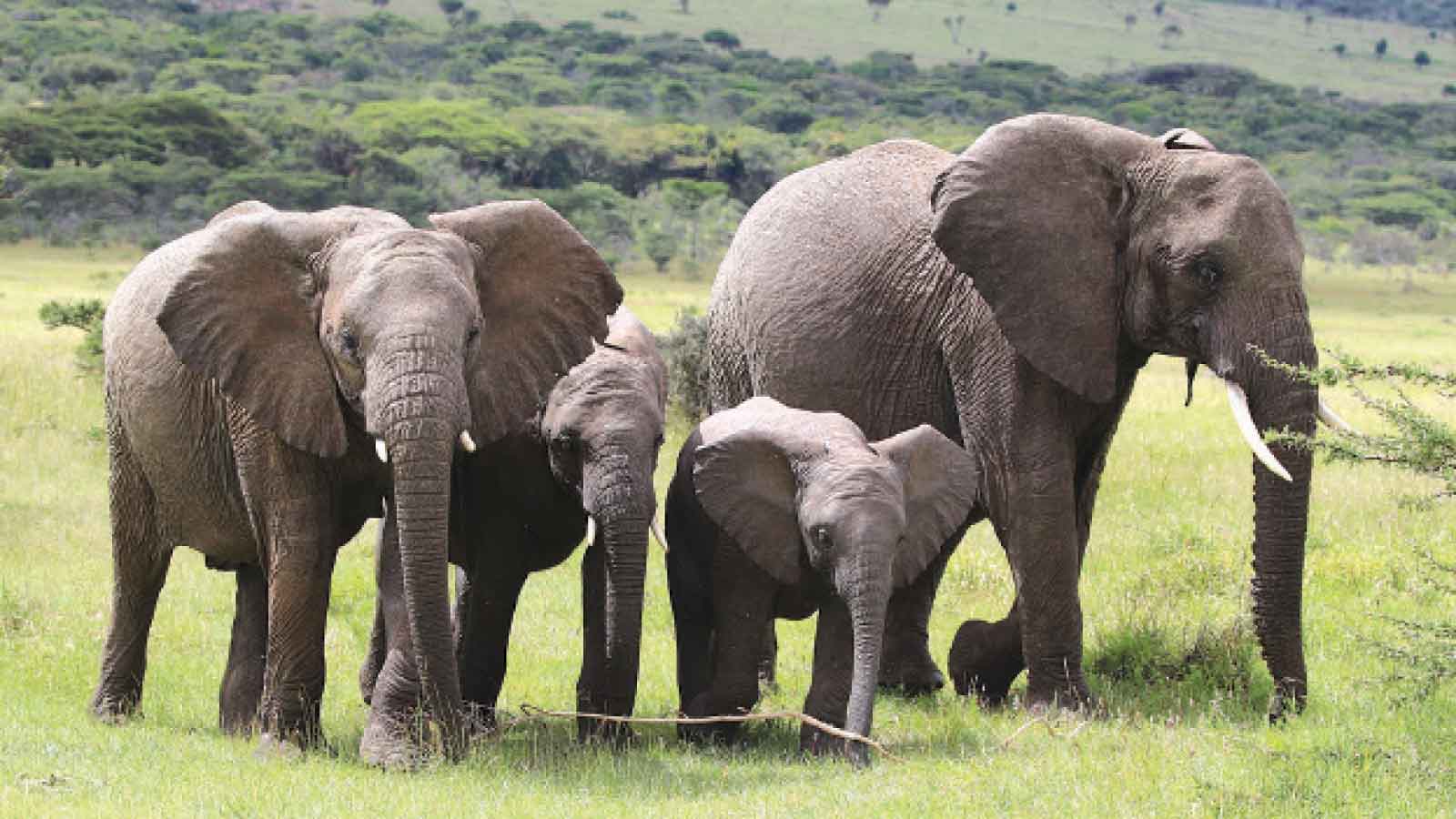
Arthur Marara-Point Blank
BENEATH the vast, searing sun of the savannah, a line of shadows moves with a slow, earth-trembling purpose.
An elephant herd is on the march. Its path is not a direct sprint, but a patient, winding trek etched into the collective memory of generations.
Led by a wise matriarch, this procession represents more than a search for water; it is a living testament to social resilience, generational wisdom, and profound long-term vision. While the crocodile survives through solitary efficiency, the elephant thrives through the strength of the herd and the depth of its memory.
For business leaders navigating volatile markets, this majestic animal offers a powerful antidote to short-termism. It teaches that true endurance is built not in spreadsheets alone, but in culture, memory, and a steadfast gaze on a distant horizon.
I. The Matriarch’s Wisdom: Leading with Memory, Not Just Momentum
At the front of the herd walks the matriarch. Her leadership is not derived from brute strength alone, but from the irreplaceable asset of experience. She remembers the location of waterholes that have not flowed in a decade.
She recalls safe routes that bypass ancient dangers. Her brain is a living map of survival, and the herd’s trust in her guidance is absolute. She represents the antithesis of impulsive, reactive leadership.
In the corporate world, we often valorise the new, the disruptive, and the young, side-lining hard-won institutional memory. The elephantine principle argues for a different model: strategic leadership that balances innovation with wisdom. This means formally valuing seasoned executives and long-tenured team members not as relics, but as vital repositories of “corporate memory.” They remember why certain strategies failed in the past, which partnerships bore unexpected fruit, and how the company weathered previous recessions.
Fostering this means creating “matriarchal” roles — elder statespersons, advisory boards, or robust mentorship programs where the core mandate is to guide strategy with the long arc in mind.
Their role isn’t to veto change but to ensure the herd doesn’t, in its urgency, charge blindly into a canyon it escaped decades before. In an age of rapid CEO turnover, the elephant matriarch reminds us that some wisdom can only be earned through cycles, and that this wisdom is the most stabilising force an organisation can possess.
II. The Generational Memory: Embedding Your ‘Why’ in the Corporate DNA
An elephant herd is a walking library. Knowledge is transferred not through memos, but through deep social bonds and observed behaviour. Calves learn by mimicking their elders — what plants to eat, how to navigate a river crossing, how to communicate across vast distances. This cultural transmission ensures the survival logic of the species is passed down, making each generation stronger than the last.
For businesses, this translates to moving far beyond the laminated mission statement in the lobby. It is about consciously and systematically embedding your core purpose, ethical codes, and strategic philosophies into the very fabric of your organisation. How are your founding stories told? What behaviours are celebrated in company rituals? What lessons from past failures are openly discussed in onboarding?
Companies with strong “generational memory” have cultures where the why is so ingrained it guides autonomous decision-making. When a frontline employee understands the deep-rooted principle of “customer trust above short-term gain,” they can act without a manager’s approval.
This creates immense agility within a stable framework. It’s what allows a heritage brand to adapt its products without losing its soul, or a tech firm to pivot its tactics while holding true to its original vision. You are not just building a business; you are cultivating a living culture that educates and guides its members, ensuring continuity long after the founders have departed.
III. The Migration Map: Navigating with a Patient, Adaptive Trajectory
The herd’s migration is not a random wander. It is a purposeful, adaptable journey toward a known, life-sustaining destination — a distant river or a fertile plain. The path is not rigid; it adjusts for droughts, obstacles, and the pace of the youngest calves. The goal, however, remains constant. This is strategic patience embodied: a clear long-term objective paired with adaptive short-term navigation.
In business, this is the art of setting a decades-long “North Star” while avoiding the tyranny of the quarterly sprint. Too many companies operate like startled gazelles, zigzagging reactively to every market buzz or competitor’s move, exhausting themselves without meaningful progress. The elephantine company defines its ultimate destination — be it a specific market position, a global impact goal, or a technological legacy — and communicates it relentlessly.
Every strategic decision is then weighed against this map: “Does this move us toward our distant river?” This clarity empowers leaders to say no to distracting, off-path “opportunities” and to endure short-term market pressure for long-term gain. Yet, like the matriarch altering the daily route to avoid a newly dried waterhole, they remain pragmatically agile in their tactics. The speed may vary, but the direction is unwavering. This balance of steadfast vision and tactical flexibility is what allows organizations to traverse economic cycles and technological disruptions without losing their way.
The Long View
The elephant’s journey teaches a humbling lesson: the most profound growth is often imperceptibly slow, and the strongest communities are built on shared memory and shared purpose. In a business culture obsessed with the explosive “hockey stick” growth curve, the elephant offers a more dignified, sustainable model: the growth curve of a redwood, not a firework.
Building an “Elephant Company” requires courage. It means investing in culture when others are cutting it, listening to wisdom when others chase novelty, and keeping your eyes fixed on a horizon decades away when the market demands results tomorrow. It is about understanding that your most valuable asset is not your technology or your capital — it is your herd, its wisdom, and its unwavering commitment to the journey. By walking this path, you build more than a profitable enterprise; you build an institution that leaves footprints deep enough for future generations to follow.
Next in the series: The Octopus’s Genius: Building an Organisation That Thinks with Its Arms.
Arthur Marara is a corporate law attorney, keynote speaker, peak performance and corporate strategy speaker. With his delightful humour, raw energy, and wealth of life experiences, he captivates audiences and inspires them to unlock their full potential. He is also a leadership expert with extensive experience in leadership development and coaching. He is passionate about developing effective leaders and empowering individuals and organizations to achieve their full potential. Through his engaging talks and workshops, he imparts invaluable insights and practical strategies that empower individuals to lead with confidence and make a lasting impact.
Marara is the author of “Toys for Adults” a thought-provoking book on entrepreneurship, and “No One is Coming” a book that seeks to equip leaders to take charge. Send your feedback to bookings@arthurmararaattorneys
.com visit his website www.arthurmarara.com or contact him at +263772467255.