


 Sundaymail Editor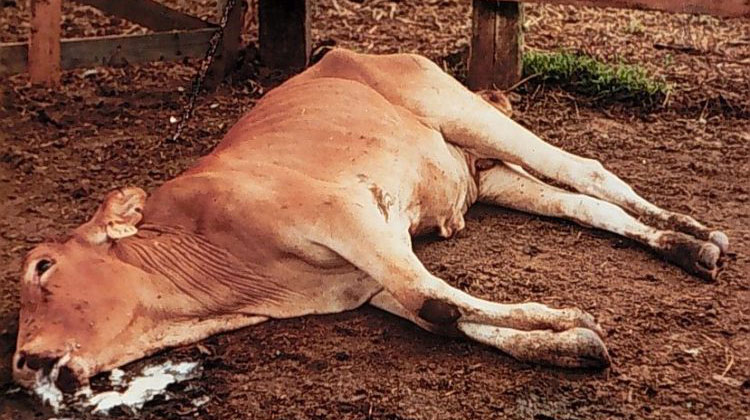
Theseus Shambare
Over 500 000 cattle have succumbed to theileriosis (January Disease) over the last five years, official data shows.
Theileriosis, which is caused by the brown-ear tick that thrives during the rainy season, is indiscriminate and has largely affected communal and A1 farmers.
Cattle farmers in January Disease hotspots have either been failing to dip their cattle or were dipping them in chemicals whose concentration is considered suboptimal. Foreign currency shortages that plagued the country in recent years affected the availability of dipping chemicals, exposing livestock to the disease.
In an interview with The Sunday Mail, Permanent Secretary in the Ministry of Lands, Agriculture, Fisheries, Water and Rural Development Dr John Basera said the Government requires up to US$8,2 million to import chemicals to fight animal diseases annually.
“Farmers are worried and so is the Government about the impact of January Disease, which has killed cattle in many villages. As of 2016, we have lost over half a million of our national herd.
“As a stop-gap measure, we have rolled out the Presidential Tick Grease Programme nationwide, but we need to come up with a long-lasting solution that is economically sustainable,” said Dr Basera.
In 2018, he said, more than 50 000 cattle valued at US$50 million were lost to the disease. It is believed that for the country to achieve the envisaged US$2 billion livestock sector by 2025, there was need to step up efforts to contain diseases.
According to the 2021/2022 Second Round Crop and Livestock Assessment Report, the incidence of tick-borne diseases was on the decline.
“Some 4 241 deaths have been recorded so far compared to 8 328 and 10 774 deaths recorded in 2020 and 2019, respectively. The worst-hit theileriosis areas are the following: Chiredzi, Gutu and Masvingo (Masvingo province); Makoni East (Manicaland); as well as Zvimba, Chegutu and Mhondoro-Ngezi (Mashonaland West).”
The report said the Government was prosecuting farmers found with tick-infested cattle, including those whose stock cards show that the cattle are not being dipped.



 Bongani Ndlovu
 Online Reporter