admin
adminthe last thing we need right now is a gaggle of doomsday merchants bemoaning the development without suggesting solutions on the way forward.
There is no way donors would keep pouring billions into the health systems of developing nations ad infinitum.
Anyway, donors are meant to complement and not be the backbone of supply for a nation or an individual.
The onus was always on the stakeholders – and that means everyone, to take responsibility for our own health and actively work towards sustainable delivery systems in terms of drug procurement and service provision.
The Global Fund and other organisations came in at the height of the Aids pandemic and helped out many nations, including our own.
Their aid in the procurement of ARVs, the fight against TB and malaria and the resuscitation of the health system in general has made a difference. But we should have known that this was a honeymoon phase that was bound to end and we should have been making active plans for self sustenance.
One fact that we should take into cognisance is that we did not have a guarantee that we would get a Round 11 grant so we should not react as though we have lost a sure thing.
The other thing is that we are not feeling an immediate effect and we still have a few months to make plans and implement them before the Global Fund stream practically dries up on us.
A few years ago our application to the Global Fund was not successful but our fight against HIV remained strong.
In comparison to other nations, Zimbabwe has received less funding per capita from the Global Fund but we have a better success story with reduced prevalence and new infection rates.
We were the first country to come up with an official HIV framework with the formation of the National Aids Council (NAC).
Thus we already have the right mechanism in place but what we need to look at is capacity building for the council and the health system in general to ensure that we do not depend on external forces for the health of our nation.
First of all policy makers have to seriously look at the skewered equation where only those in formal employment are paying the Aids levy while players in the thriving informal sector are exempted.
The informal sector is also exempted from the Pay As You Earn tax thus further disadvantaging national programmes yet it is common knowledge that many traders earn above the existing US$250 monthly income tax threshold.
The corporate sector has played its part with many organisations putting in place programmes that weaned their employees from the public sector to private health systems thus allowing more disadvantaged people to benefit from donor funded initiatives.
Looking at widening their revenue base for better delivery NAC brought in a consultant who suggested that a Vat based form of Aids levy collection would ensure that practically everyone contributed while boosting figures considerably.
It is understood that the recommendation was shot down on the grounds that it would raise prices of commodities and it was not feasible. But we feel that scrapping the current Aids Levy and introducing the Vat based health levy collection system is the best way to go.
With non communicable diseases on the rise we need to look at the whole health delivery system and not just HIV/Aids, TB and malaria. If the percentage imposed is not punitive then the resultant price adjustment will not be painful.
It might simply mean that instead of collecting sweets and change coupons that usually get lost anyway, people will be actively contributing towards a fund that really matters. But the country needs to go beyond just collecting more money and start looking at capacity building.
Local drug manufacturers can produce ARVs but their pricing structure makes it more viable to import the drugs.
If the factors causing this distortion are dealt with we would have the security of knowing that we can produce our own drugs and we would also strengthen our economy by saving on precious foreign currency reserves while also creating employment.
The cancellation of Round 11 is sad news but it is not the end of the world. It is an opportunity for us to grow into a self-sufficient nation that can take care of its own citizens.


Online Reporter
- Herald
- September 23, 2026
- 27 views
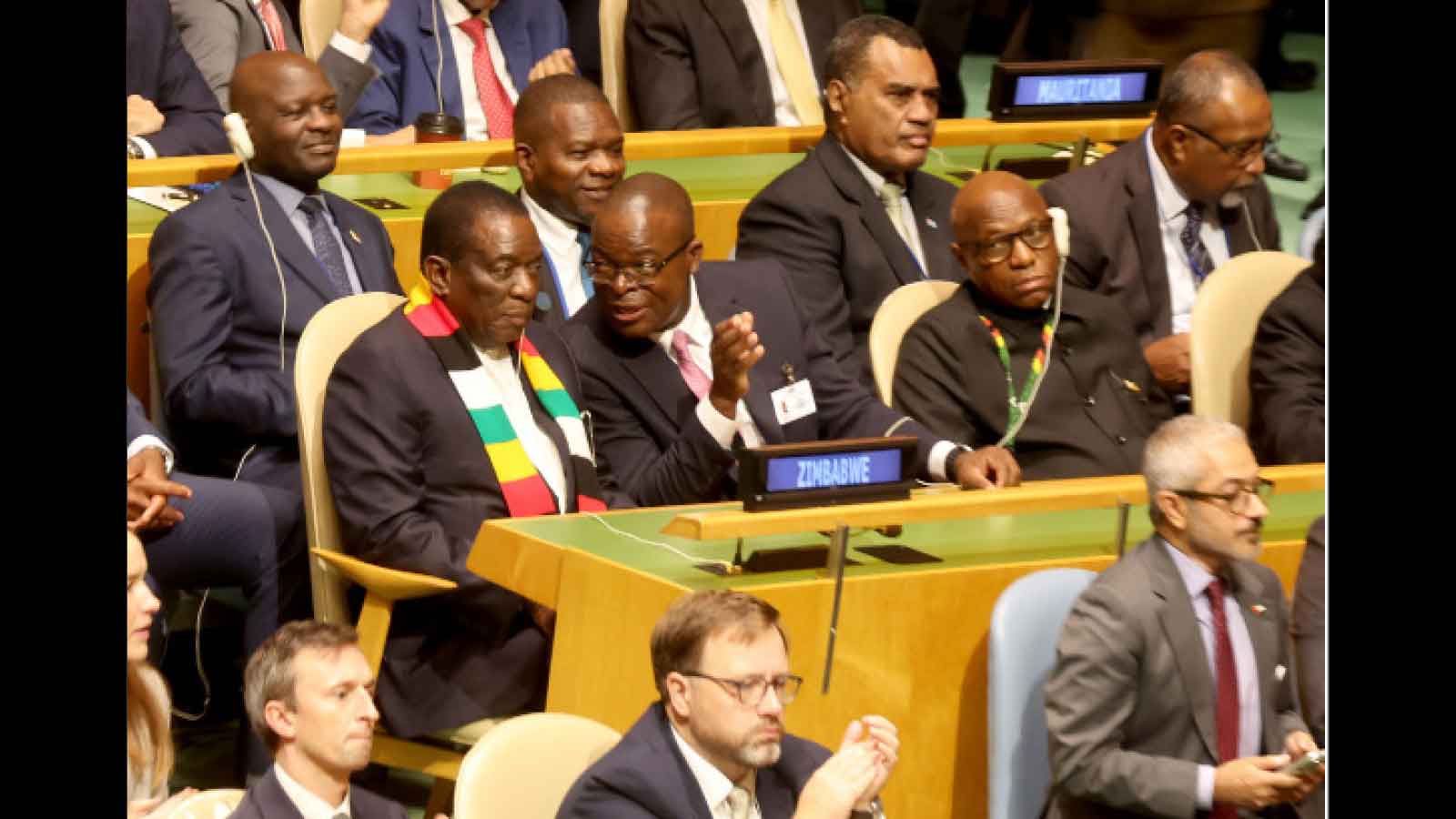
Africa stamps authority . . . We must be heard, understood, treated as equals: President
Wallace Ruzvidzo in New York, USA AFRICA will take a message to the 81st session of the United Nations General Assembly (UNGA81) that it must be heard, understood and treated…