Remember Deketeke
Herald Correspondent
IN the 1970s, while other teenagers of his generation savoured the fragile comforts even under the shadow of colonial rule – Major-General (Retired) Everisto Dzihwema turned his back on safety, choosing a path fraught with uncertainties as he presented himself as a ransom for the liberation of Zimbabwe.
He survived the crucible of the liberation struggle; many of his comrades-in-arms did not.
After independence in 1980, the late national hero, whose nom de guerre was “Kid Mawrong wrong” went on to become a leading light in both military and civilian life.
Yesterday, the nation bade him farewell as he was laid to rest at the National Heroes Acre, a hill just outside the capital, Harare. It is there that the country’s heroic sons and daughters sleep eternally.
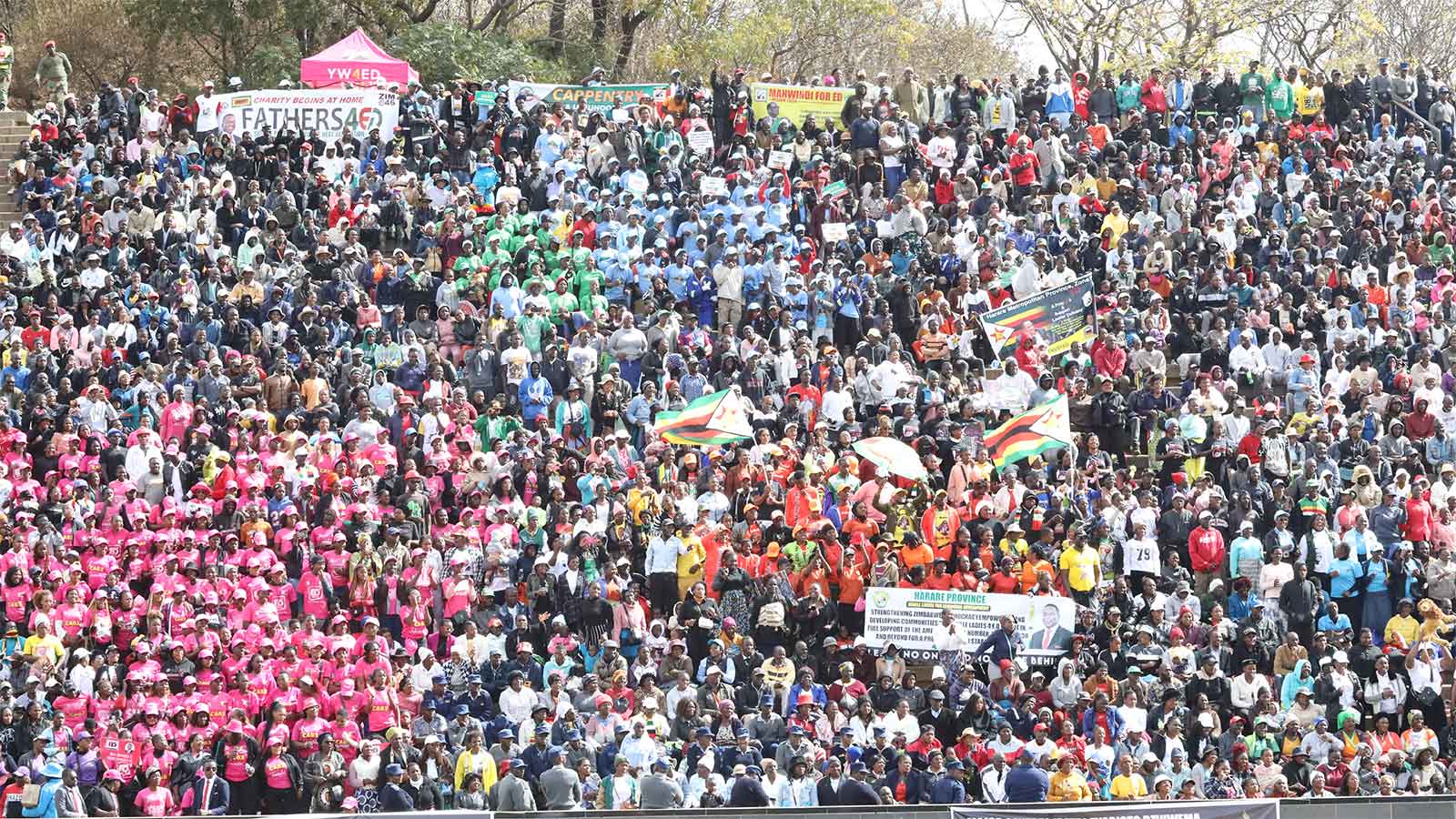
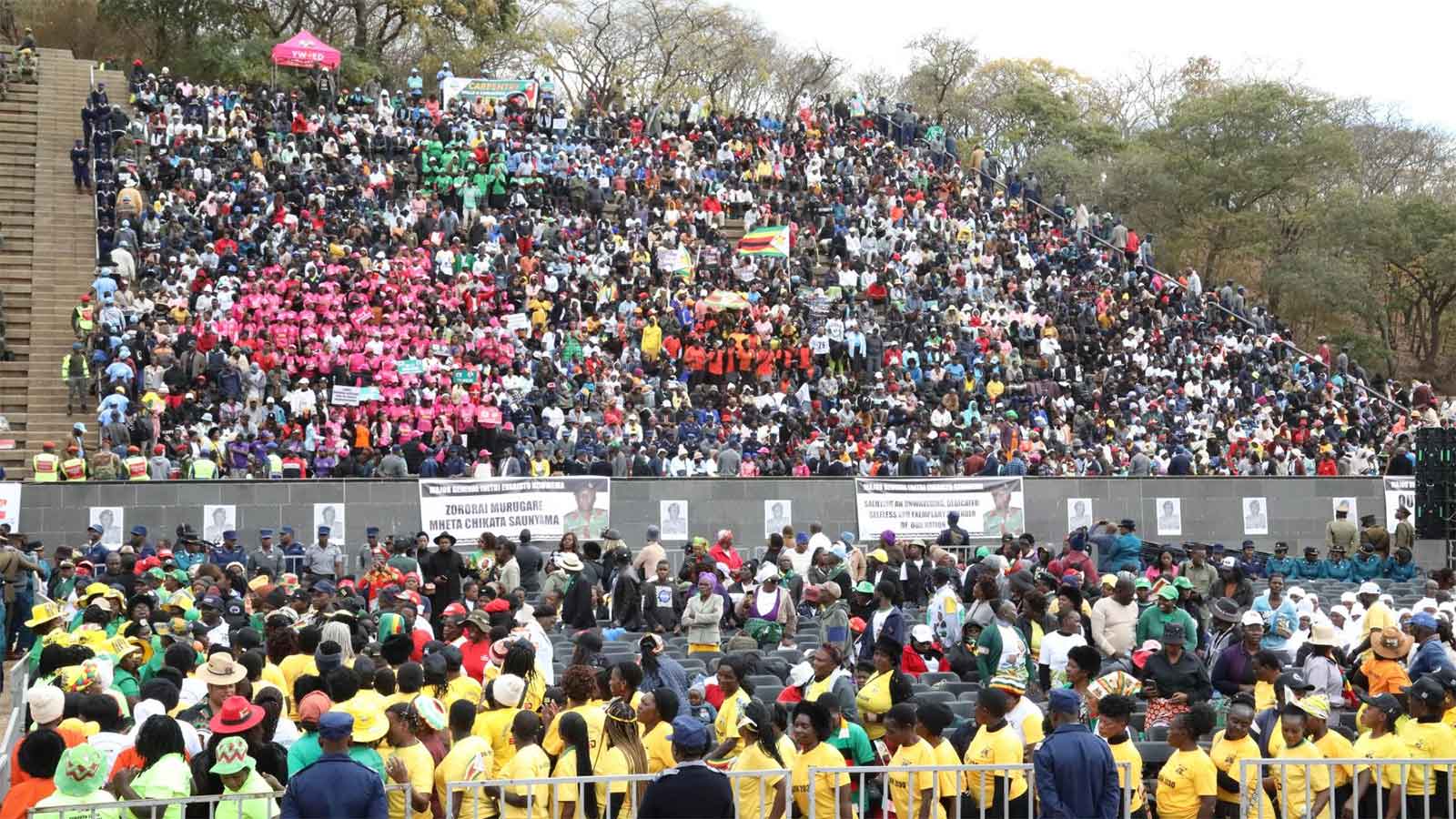
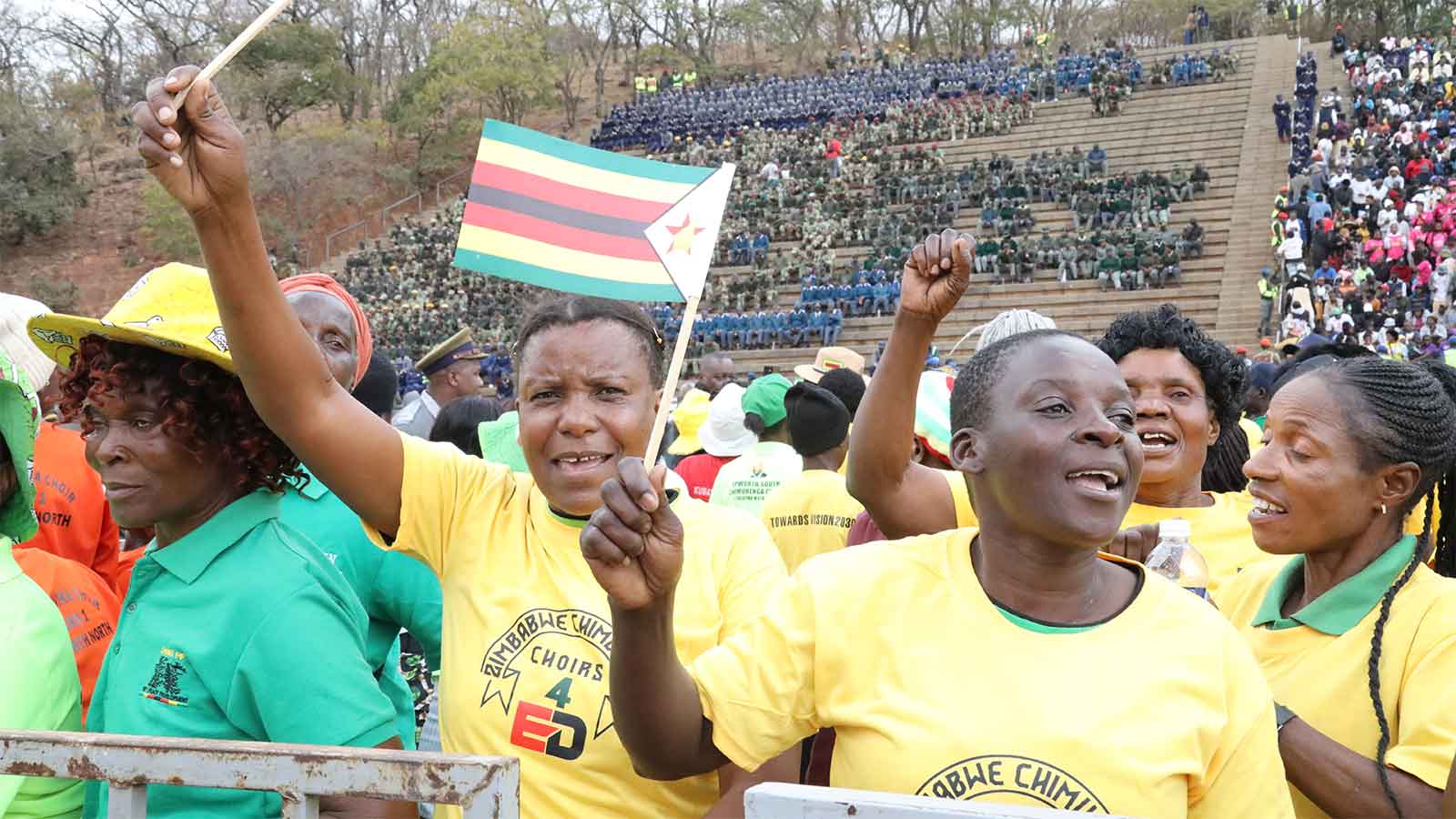
It was thus befitting that yesterday, on a wintry morning, thousands thronged the sacred slopes of the hill to bid farewell to the national hero, whose life was defined by unwavering patriotism, humility and dedicated service to Zimbabwe.
The atmosphere was filled with grief and gratitude as mourners from all walks of life gathered to celebrate the life of a decorated liberation war fighter, senior military officer and public servant whose legacy will continue to inspire generations.
Family members, liberation war veterans, Government officials, military personnel and ordinary Zimbabweans paid glowing tributes to the late national hero, describing him as a courageous freedom fighter, compassionate leader and devoted family man.
Speaking on behalf of the family, his sister, Prisca Chipfuriro, thanked President Mnangagwa for according Maj-Gen (Rtd) Dzihwema national hero status.
“On behalf of the Dzihwema family, we would like to extend our deepest gratitude and appreciation to Your Excellency for affording our late father the highest honour in the land through the conferment of national hero status,” she said.
She added that: “My brother was a loving husband, caring father, the one true equaliser and inspired all his children to pursue higher education.”
Liberation war veteran Cde Douglas Mahiya, who fought alongside the late national hero during the liberation struggle, recalled first meeting Maj-Gen (Rtd) Dzihwema after he completed military training before joining his detachment in the Chitepo Sector.
“I met Dzihwema when he was coming from training at our rear base. He joined my detachment after completing his training, and I later commanded him during the war,” said Cde Mahiya.
He said the late national hero was later deployed to the hazardous Dewa operational area, where he executed his duties with courage despite intense fighting.
“Dewa was very hazardous. The fighting there was intense, but he carried out his duties with courage,” he said.
Cde Mahiya also praised Maj-Gen Dzihwema’s dedication to the welfare of liberation war veterans after independence, particularly during his tenure as Chief Director in the Ministry responsible for veterans’ affairs.
“He always reacted swiftly and positively to problems affecting war veterans. If a war veteran was ill, Dzihwema made sure they were taken to hospital without delay. He was a very kind and patient person,” he said.
Cde Mahiya said the late national hero personally facilitated his eye treatment.
“I was seriously ill and I could not really see, but he acted swiftly and I managed to go to South Africa for treatment. It did not even take a week because he was a hands-on person who was fully committed to helping others,” he said.
Director Defence Capabilities at Zimbabwe Defence Forces Headquarters, Colonel Bernard Mutasa, said he worked closely with Maj-Gen Dzihwema during the early years of independence and remembered him as a disciplined and dedicated officer.
“I worked with him at Headquarters 3 Infantry Brigade in 1982 when he was posted as Grade Two Staff Officer, replacing a white officer who had been serving in that position. Our commander at the time was the late General Vitalis Zvinavashe,” he said.
He described Maj-Gen Dzihwema as an outstanding military professional who was committed to developing the next generation of officers.
“General Dzihwema was such a fine officer, dedicated to duty. He loved his country and he loved his job. He groomed quite a number of officers and men under him,” he said.
Col Mutasa added that the experience Maj-Gen (Rtd) Dzihwema gained during the liberation struggle and his distinguished military career enabled him to transition seamlessly into public service.
“His experience during the liberation struggle and in the military gave him the depth of knowledge to transition into civilian life. His dedication to duty remained evident, and he was always there for everybody,” he said.
Family members said although they mourned his passing, they would continue to uphold the values of integrity, humility and selfless service that defined his life.