Wallace Ruzvidzo
Herald Reporter
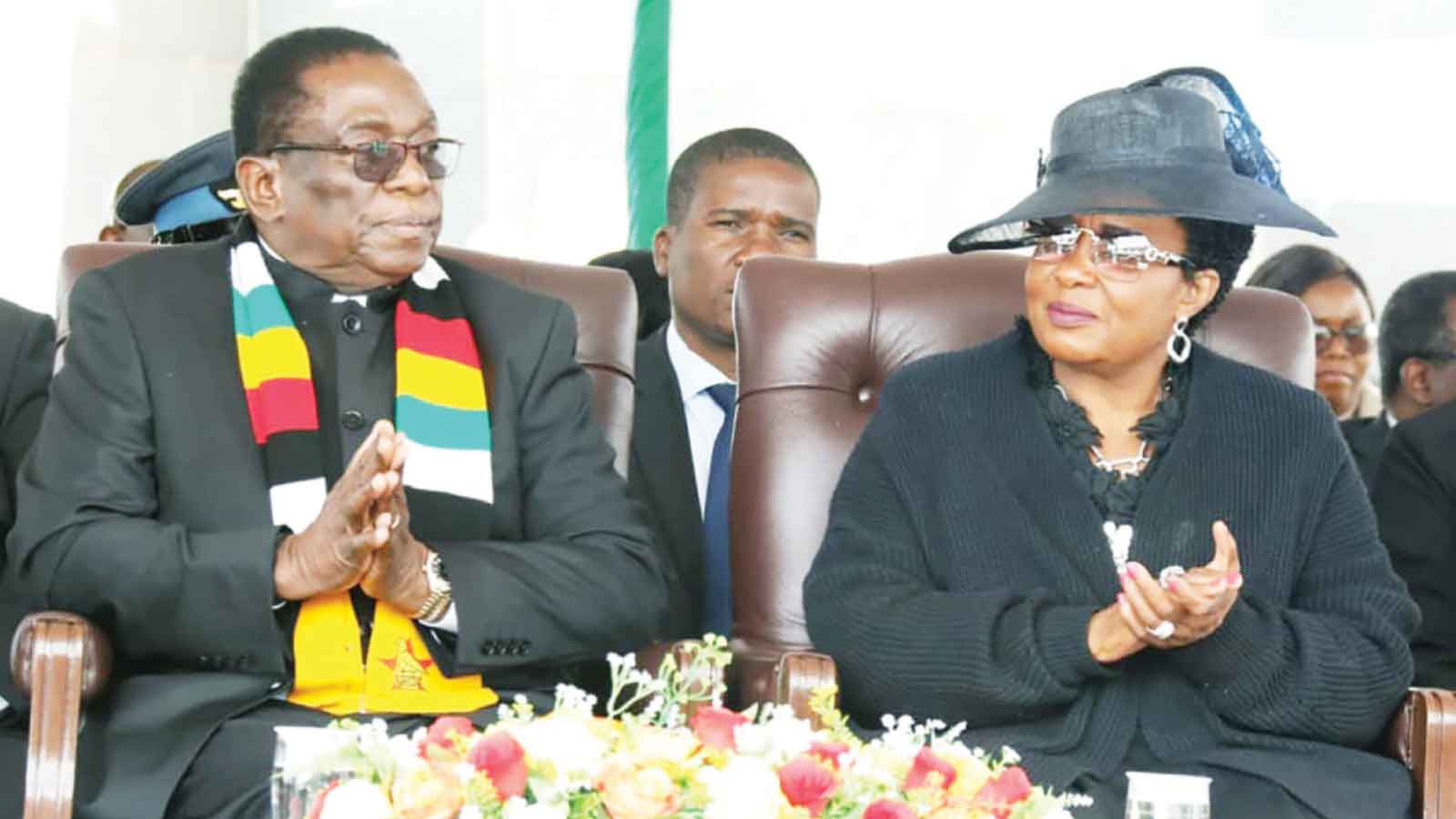
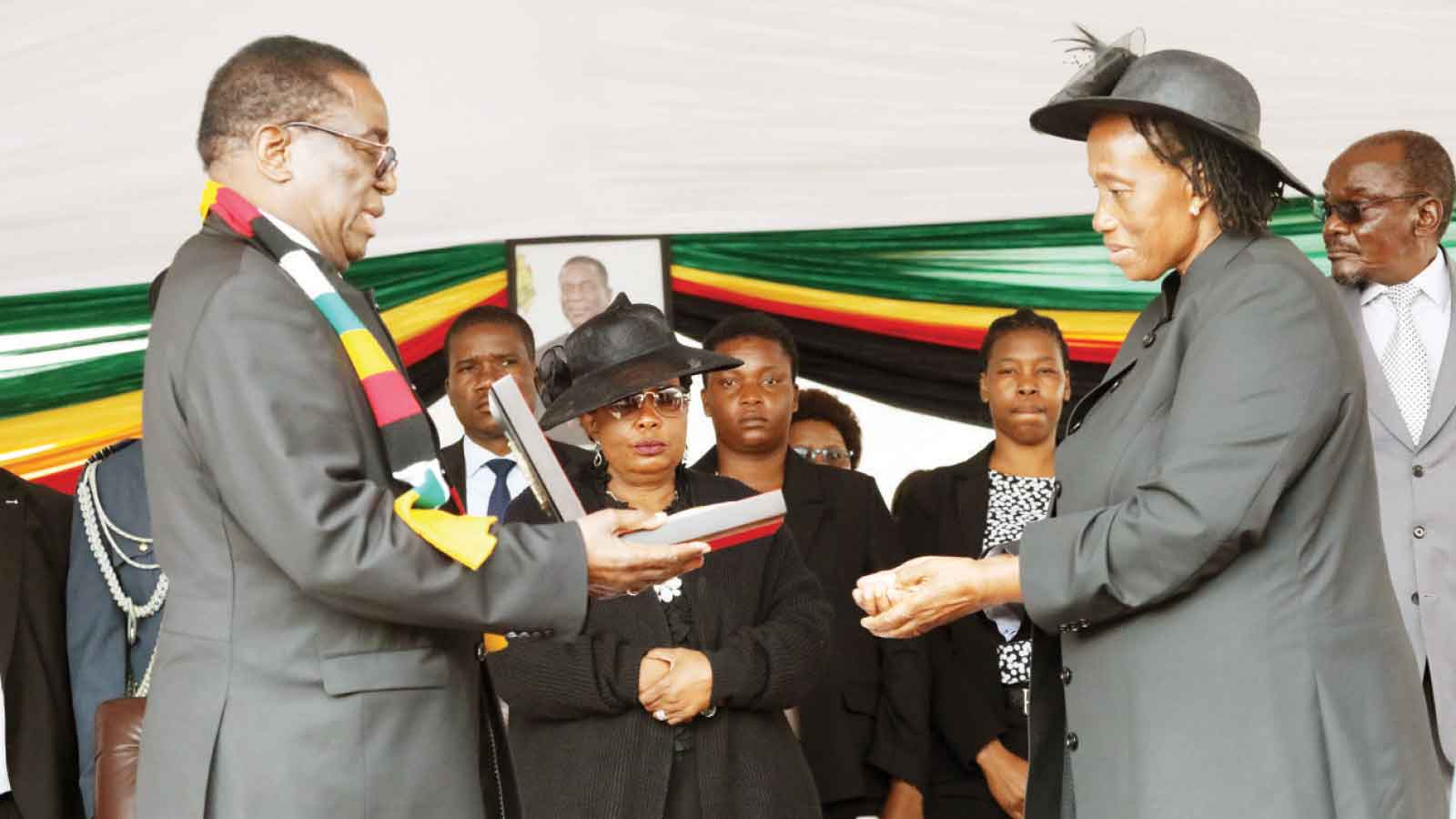
ZIMBABWEANS have a responsibility to build and leave lasting legacies for future generations, as was done by heroes and heroines in the mould of the late national hero Major-General (Retired) Everisto Dzihwema, President Mnangagwa has said.
In his address at the burial of Maj-Gen Dzihwema at the National Heroes’ Acre in Harare yesterday, the President said the mindset of many liberation war heroes and heroines was grounded in the appreciation that some would not live to see their aspirations of a free and independent Zimbabwe realised.
However, he said, this did not deter them.
They put their lives and limbs on the line so that Zimbabweans could enjoy a better life today.
The President said Zimbabweans must never forget the contributions made by their liberators and remain “determined to make the sacrifices demanded of the times so that those that come after us inherit a united, peaceful, prosperous and modern Zimbabwe”.
“A Zimbabwe where people honour their culture, respect one another, love one another and live in harmony with their neighbours.
“These values must be deliberately instilled in our children and the youth. The DNA and national character of our great nation should be preserved, protected and nurtured, right from family level. Let us not neglect this duty,” he said.
Since the advent of the Second Republic, the President said, Zimbabwe has continued to record tangible gains that impact the day-to-day lives of the general citizenry.
Ongoing reforms across all sectors of the economy, he said, were yielding accelerated and positive results.
“I appeal to all our people in every social sector to be good stewards over the resources, as well as the prosperity that we are witnessing in our country, and the additional wealth expected, as we draw closer towards the realisation of Vision 2030.
“The wealth which we generate from our land, mines, social services, tourism infrastructure development as well as other entrepreneurial endeavours should benefit generations to come, not just this present generation,” he said.
Furthermore, President Mnangagwa expressed his heartfelt condolences to Amai Dzihwema, and the Dzihwema family, and relatives at large, describing the late national hero, whose Chimurenga name was Cde Kid Ma-wrong-wrong, as a dedicated cadre.
“The late national hero was a veteran of the liberation struggle, a distinguished cadre and officer in the Zimbabwe Defence Forces, who upon retirement was deployed as a senior officer in Government.
“He selflessly served our beloved motherland, Zimbabwe, with unflinching patriotism, professionalism, dedication, and exemplary leadership. He passed on, on the 25th June 2026, at the age of 63.
“We share our prayers with the bereaved family during this difficult period. I urge you to take comfort from the fact that the nation grieves with you.
“We acknowledge and honour the footprints he leaves behind, of consistent and persistent wholehearted service, hence his interment here, at this sacred national shrine. May his soul rest in eternal peace,” he said.
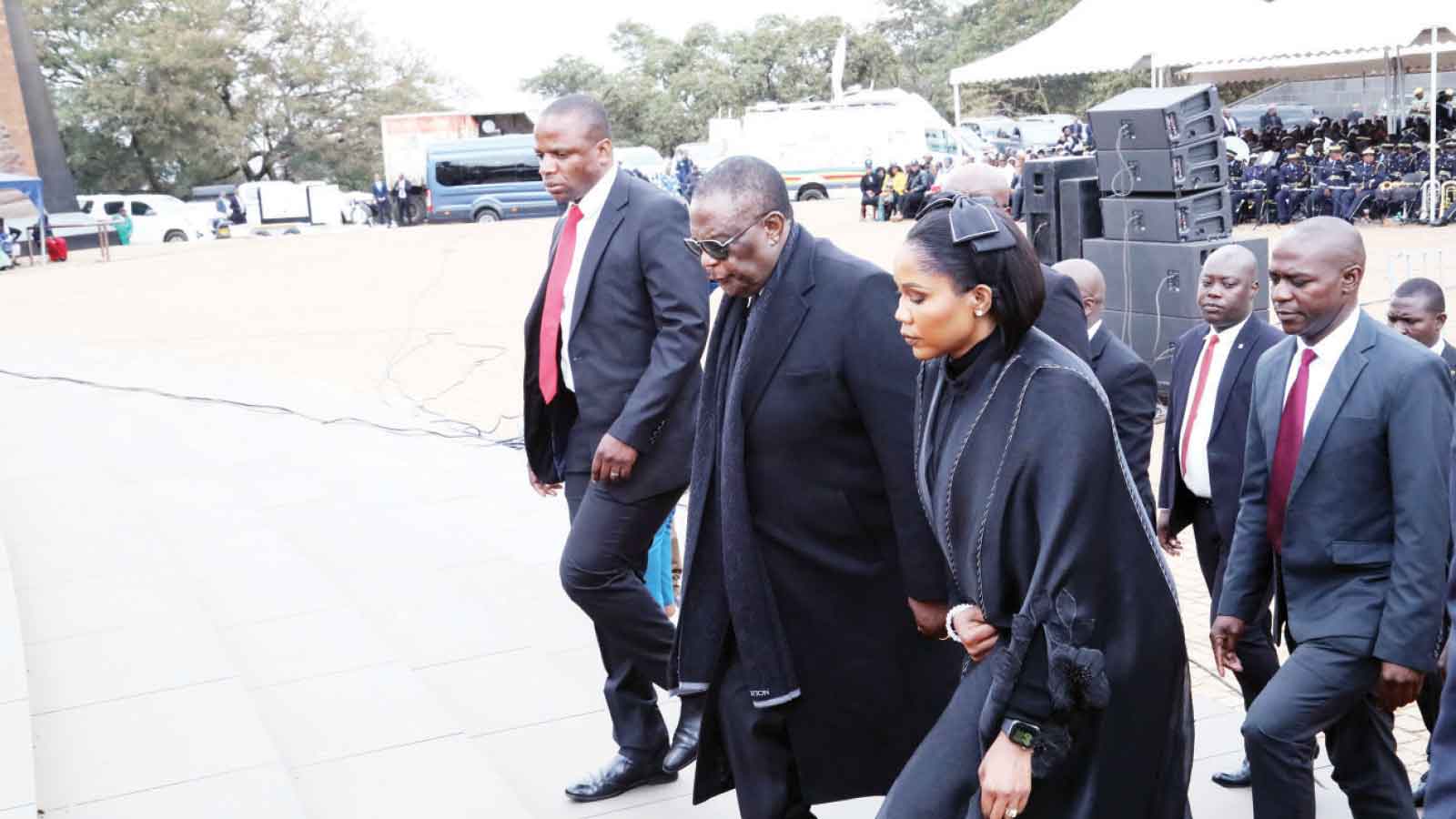
The President described the liberation struggle as a gruesome episode in the building of Zimbabwe, which saw thousands of young men and women, including the late Cde Dzihwema, make the bold decision to fight for Independence and sovereignty from an oppressive and brutal colonial regime.
“The late national hero, Major General (Rtd) Everisto Dzihwema, was born on 1 January 1962, under Chief Tandi, in Makoni District, Manicaland Province.
“The family was a direct victim of the Land Apportionment Act of 1930 and the Land Husbandry Act of 1956, which resulted in Africans being forcibly removed from their ancestral lands to infertile and poor-rainfall areas.
“Their livestock and possessions were confiscated without compensation and their livelihoods destroyed, relegating them to become a pool of cheap labour for the colonial oppressive settlers.
“In the 1960s, the family was moved into the infertile ‘native tribal trust-lands’, in their case, Communal Areas of Tanda and Tandi, respectively,” he said.
President Mnangagwa then further narrated Cde Dzihwema’s life story.
The late General Officer completed his primary education at Tsikada School in 1973.
He proceeded to St John’s Secondary School in Chikwaka from 1974 and completed his ‘O’ level at the age of 15 in 1977.
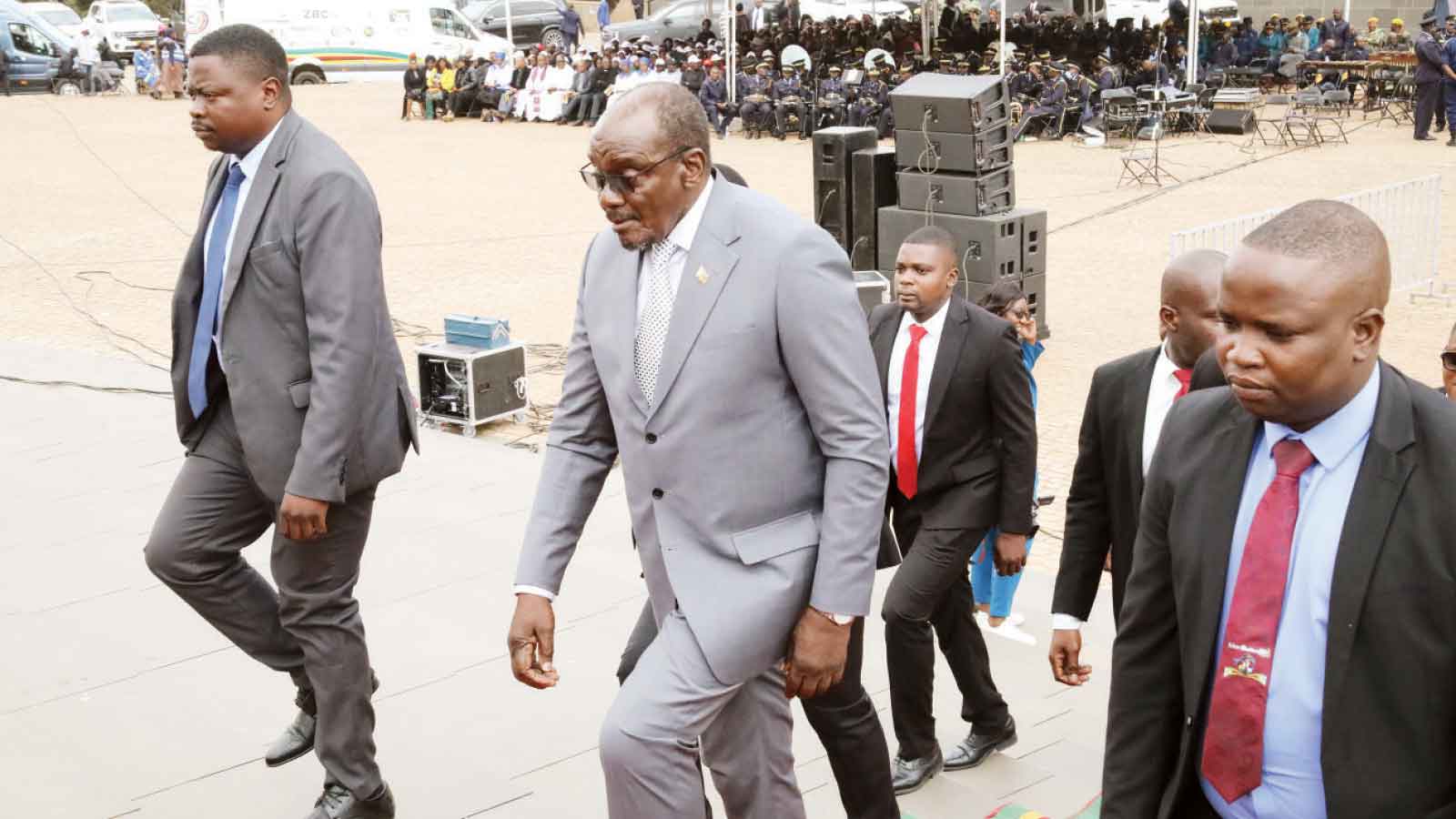
The late national hero then worked briefly in the private sector, where he came face to face with the discrimination that characterised labour relations during colonialism.
“Our national hero was brutalised by the Rhodesian soldiers accusing him of spying for ZANLA fighters. These indiscriminate attacks compounded previous grievances of racial biases and historic trauma of land dispossession suffered by his family.
“To join the fight for national independence and freedom for the black majority became the only option for the young Everisto Dzihwema,” said President Mnangagwa.
In mid-1978, at the age of 16, the late General Officer left home to join the Liberation Struggle.
Along with the other fifteen young patriots, they were assisted in crossing the Gairezi River into Mozambique.
After receiving his military training, the late General Officer was appointed Platoon Commissar for the trainees and was deployed to the front, operating under Detachment ‘C’ of Chitepo Sector.
He was later moved to Sector B, operating in the Chiendambuya area.
“The late national hero will be remembered as a disciplined and fearless cadre who displayed the highest levels of bravery during operations.
“At the ceasefire, Cde Dzihwema and the rest of his Detachment went to Ellim Mission (Echo) Assembly Point until his integration into the Zimbabwe National Army.
“The late General Officer, Major General (Rtd) Dzihwema, completed some of the professional courses on offer in the Defence Forces.
“He rose through the ranks to General Officer, serving with immense professionalism in Finance, Procurement, Human Resources and Quartermaster, rising to the highest offices in those Departments of the Zimbabwe National Army,” narrated the President.
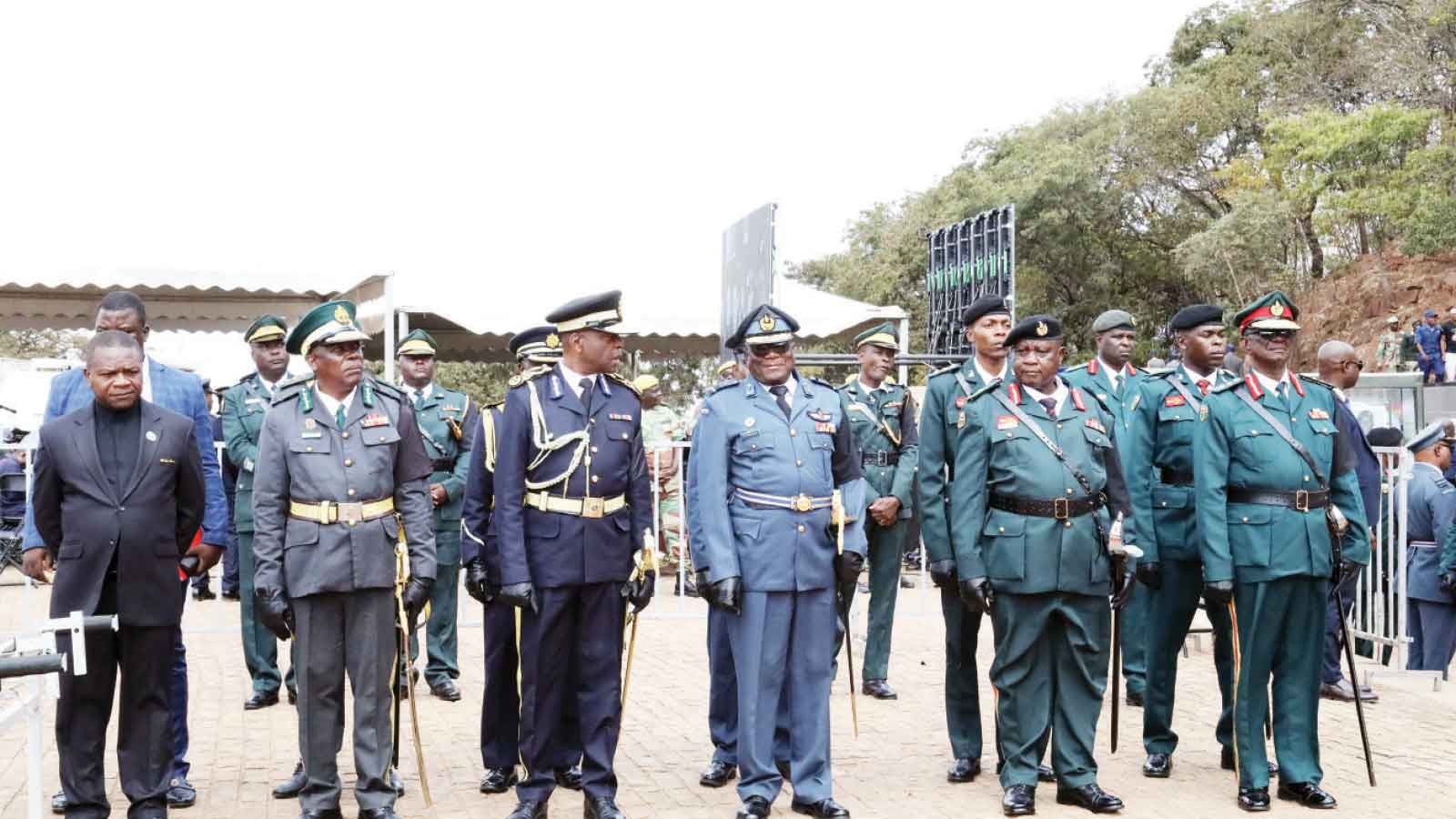
In recognition of his illustrious service to the nation, the late General Officer was awarded the Liberation Medal, Independence Medal, Ten Years’ Service Medal, Long and Exemplary Service Medal, Mozambique Campaign Medal, Democratic Republic of Congo Campaign Medal and the Commander of the Zimbabwe Order of Merit Award.
Over and above his life in the military, the late retired Major General was deployed to the Civil Service as Principal Director responsible for Indigenisation and Economic Empowerment in the Ministry of Youth, Indigenisation and Economic Empowerment.
He was also a member of the National Indigenisation and Economic Empowerment Board and was later transferred to the Ministry of Youth and Women Affairs and then the Ministry of Youth, Sport, Arts and Recreation.
Following several other appointments, the late national hero was assigned to the role of Chief Director, War Veterans Affairs, in the then Ministry of Defence and War Veterans Affairs in January 2020.
“In every posting, he devoted his energy, professional expertise, leadership acumen and ultimately his whole life, to the realisation of set national priorities and the attainment of a higher quality of life for those he was assigned to serve,” said President Mnangagwa.