Online Reporter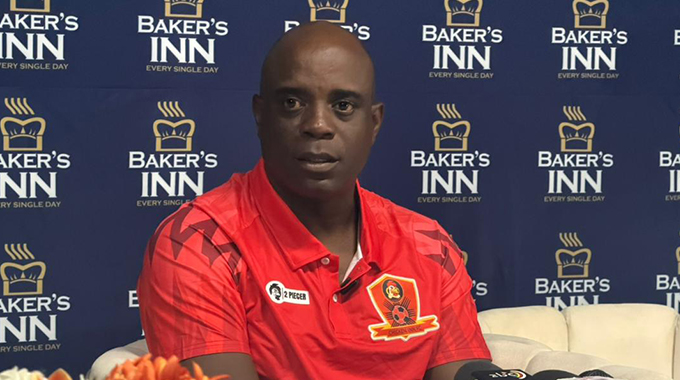
Innocent Kurira, [email protected]
THERE is a particular kind of ambition that does not whisper. It declares itself.
When Tonderai Ndiraya stood before the media in Bulawayo this week for the first time as Chicken Inn head coach, he did not hide behind the usual managerial safety lines about “building slowly” or “taking it one game at a time”. Instead, he allowed a smile, almost mischievous, as he admitted he is flirting with history.
“Having won two championships in a row, we are also looking at getting a third, but that will depend on how we prepare. It will also come down to how the players respond to everything thrown at them. It is the pressure we have put on ourselves, especially personally, because I want to go for a third one.”
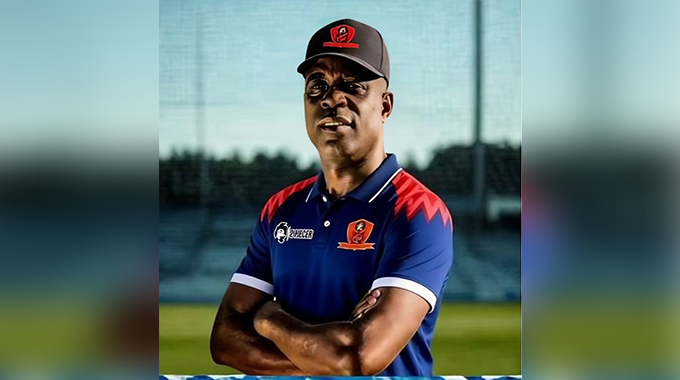
In a league where modesty is often used as a shield, such an open declaration is anything but ordinary.
Ndiraya arrives in Bulawayo carrying back-to-back titles with Simba Bhora and Scottland. To chase a third crown, with a third different club, is the sort of storyline normally reserved for football folklore. And what makes this unfolding chapter even more gripping is the team he has chosen as the stage for this ambitious pursuit.
Chicken Inn flirted dangerously with relegation last season. For long spells of 2025, they looked unsure of their own identity, suspended somewhere between title dreams and survival anxiety. A club once celebrated for organisation and sharp edges had become brittle, and the league moved on without waiting.
Yet while attention shifted elsewhere, the foundations of something new were settling quietly beneath the surface in Bulawayo. Ndiraya insists he did not hesitate when Chicken Inn approached him. That alone speaks to his reading of the situation.
Coaches coming off consecutive titles do not typically dive into uncertainty. They choose carefully, guided by structure, stability and belief. What he walked into at Chicken Inn is not a cosmetic makeover but a deep reconstruction.
The club formally announced its restructuring this week, and the new leadership reads like a statement of intent rather than a mere administrative shuffle. Chairman Lifa Ncube, vice chairman Trevor Jakachira, legal secretary Tavengwa Hara, audit and compliance head Happy Happymore Makovore, human capital lead Juta Tshuma, finance and women’s football head Lisa Sibanda, and technical and development head Chris Moyo form a refreshed core meant to steady the club’s future. This is not tinkering. It is reinvention. Behind that new structure, the sponsors have come in full force — Bakers Inn, InnBucks, Magaya Mining, Chas Everitt International Property Group Zimbabwe, Revive, Active8, H2GO, Edgars Stores, First Mutual Health and Blackshark Protection Services — creating a financial backbone strong enough to support genuine ambition.
The squad has undergone an equally seismic shift. Ndiraya admitted 60 percent of the team will consist of new players. That is not evolution; it is controlled demolition and reconstruction. The retained backbone includes goalkeepers Vince Mugande and Bernard Donovan; defenders Itai Mabunu, Mpumelelo Bhebhe and Brendon Rendo; midfielders George Majika, Joseph Tulani and Michael Charamba; and forwards Lynoth Chikuhwa and Brighton Makopa. Around that core, a new identity is being crafted. New signings include Temptation Chiwunga, Taimon Mvula and Vasilli Kawe — trusted lieutenants who have followed Ndiraya before.
“It happened that they had also been released at Scottland so I said, why not take them? These are players who already understand me and what Idemand from players,” said Ndiraya.
Foreign recruits, unusually bold for Chicken Inn, add another layer of intrigue. The arrival of Namibian Tyrese Hikupembe and striker Ngnowa Hapmo suggests a club willing to widen its horizons. Even the technical bench has been sharpened, with Naison Muchekela and Fortune “Fokoza” Ncube joining as assistants, Tafadzwa Raphael Kutinyu as performance analyst and Zwanayi Kawadza as goalkeepers’ coach. The architecture is clear: Chicken Inn intend to compete, not merely survive.
And then came the quiet, symbolic gesture at his unveiling — Ndiraya greeting the Bulawayo media in Ndebele. It was not theatrics; it was respect, an early sign of belonging. If he can turn Luveve Stadium into a place where opponents tremble again, then the rest of the league should indeed be nervous. Fortress mentalities win titles.