Online Reporter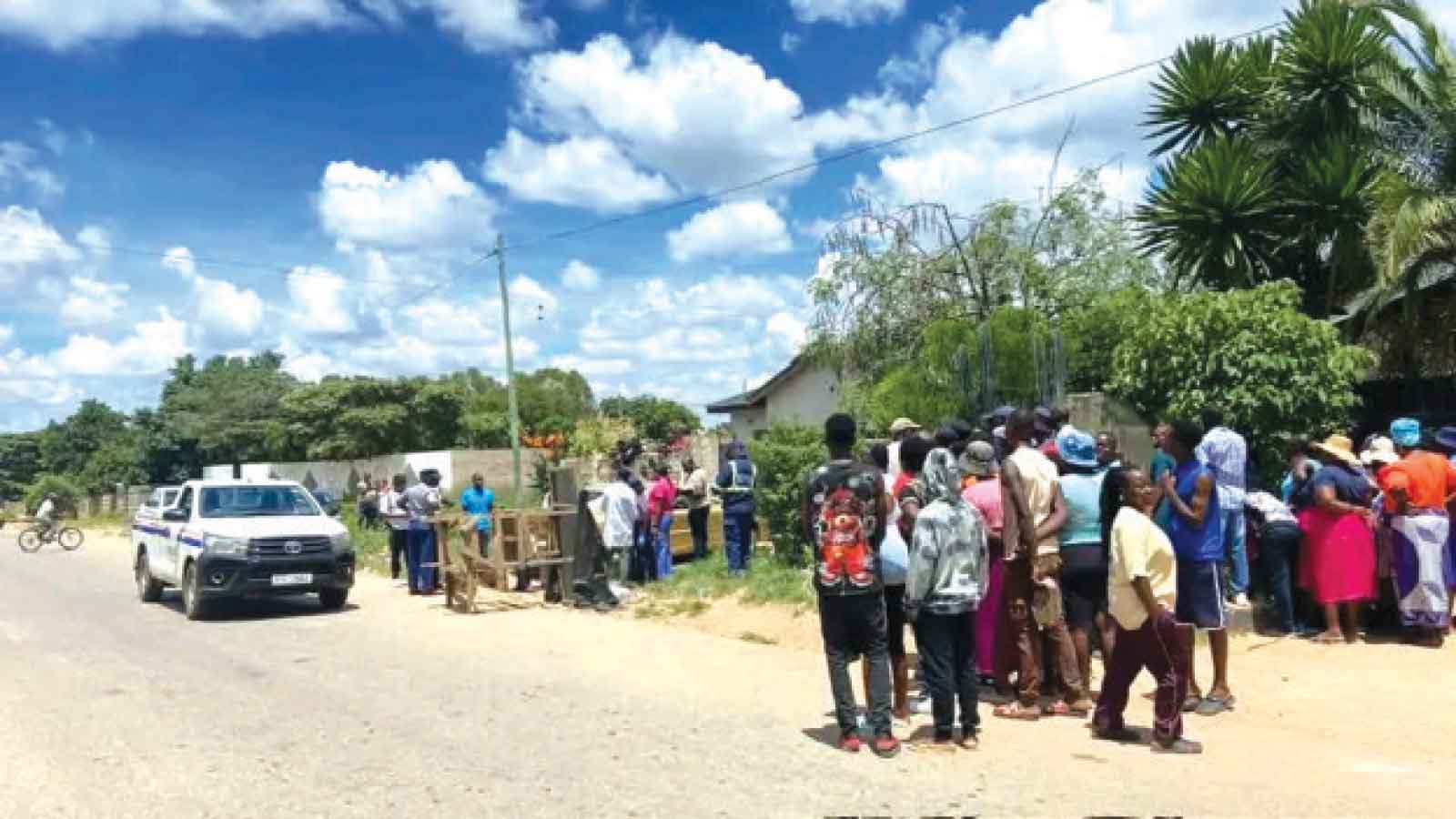
Theseus Shambare-Features Writer
The first rays of dawn barely pierced the thick morning haze over Chiremba shops in Epworth, on the outskirts of Harare, yet the streets were alive with sorrow.
Mourners slowly trudged along dusty roads, the weight of grief pressing down on them with every step. Children, wide‑eyed and silent, clung to their parents’ hands, uncertain of what the day would bring.
The community had come together to bid farewell to Thomas Musandiriri, a respected entrepreneur and leader, who was allegedly attacked by suspected robbers in the early hours near his business premises and later succumbed to his injuries in hospital.
The funeral, like the man it commemorated, drew the community in waves. Friends, neighbours and business associates gathered, their faces etched with disbelief.
For Epworth residents, this was not just a funeral, but a vivid reminder that safety was fragile and life could end abruptly.
Barely a week later, the community was again confronted with tragedy. Godfrey Makanhiwa, a young man from Overspill, was found dead at the gate of his home.
His older brother, Abel, spoke with shaking hands, his voice caught between anger and grief.
“He was just trying to get into the house. It all happened so fast. My family is shattered. Every day we wake up wondering who might be next,” Abel said, wiping tears from his face.
Last Saturday, yet another sudden death shook the community.
Three funerals in a single week left residents living on edge, each loss amplifying the fear that now permeates every corner of Epworth.
Shopkeepers now lock their doors early, children walk in pairs to school, and neighbours constantly check on one another, bound by a shared anxiety that has become impossible to ignore.
“It feels like the city has changed overnight,” said Stanford Kashiri, a long‑time resident.
“The laughter of children has quietened; the streets feel empty after dark and families are constantly on guard. Everyone is grieving and everyone is afraid.”
Despite the tension, there are sparks of hope.
Last Sunday, residents convened at Overspill shops to discuss strategies to improve security and protect lives.
The gathering was not just a meeting; it was a manifestation of the community’s determination to act, to reclaim their streets and restore a sense of normality.
“We cannot wait for the next victim to be someone we love. It is up to all of us to take responsibility for our streets. Together, we can make a difference,” said Tinashe Eric, a local youth.
“Safety is a collective effort that requires the community to work well with the police to achieve it.”
One innovative proposal came from Nevermind “Skinner” Shereni, a martial arts instructor who has lost three relatives to violent crime.
He suggested organising trained karatekas to support community patrols and awareness campaigns alongside the police.
“We have people with the skills, discipline and courage. If we channel that correctly, we can deter criminal activity and complement ongoing security efforts,” Shereni said.
Epworth’s crimes come at a time when murder cases have been grabbing national headlines, including the recent notorious spree by Anyway Zvitsva in Guruve, which forced police and the Zimbabwe National Army to collaborate with communities to apprehend him.
While geographically distant, the stories resonate in Epworth, reminding residents that no area is entirely immune to lawlessness.
Yet, amid grief, resilience emerges.
At each funeral, neighbours console one another, sharing food, lifting coffins and offering words of comfort.
Young people have begun organising patrols and community‑awareness initiatives.
Parents speak of walking children to school; neighbours check on the elderly, and informal networks of care have become lifelines.
Experts note that crime in urban settlements is often fuelled by social delinquency, including drug and substance abuse, highlighting the need for coordinated community action and engagement with authorities to restore order.
In Epworth, narrow streets, informal businesses and high population density increase vulnerability — but they have also inspired creative solutions rooted in solidarity.
Sunday’s meeting may mark the beginning of a turning point. By engaging residents in dialogue, the community is building a foundation for collective vigilance and proactive safety measures.
While fear remains, it is tempered by courage, cooperation and determination.
“We cannot undo the pain of these past weeks,” Abel Makanhiwa said. “But we can make sure it does not happen again. Epworth will stand together — stronger and united.”
Harare Province police spokesperson Inspector Luckmore Chakanza said his office was not commenting on murder cases. However, he stressed that officers are committed to working closely with community leaders to improve vigilance and response times.
“We are committed to ensuring the safety of every resident. Partnerships with the community are critical in preventing further tragedies,” he said.
National police spokesperson Commissioner Paul Nyathi was not available for comment.
As the city waits, anxious yet resolute, one thing is clear: Epworth is no longer simply a collection of streets and homes.
It is a community tested by tragedy, standing in defiance and beginning to shape its own future.
The three funerals mark profound loss — but they also signal the spark of collective resolve, a defiance that criminals cannot easily extinguish, and a hope that fear will not define this community.