Online Reporter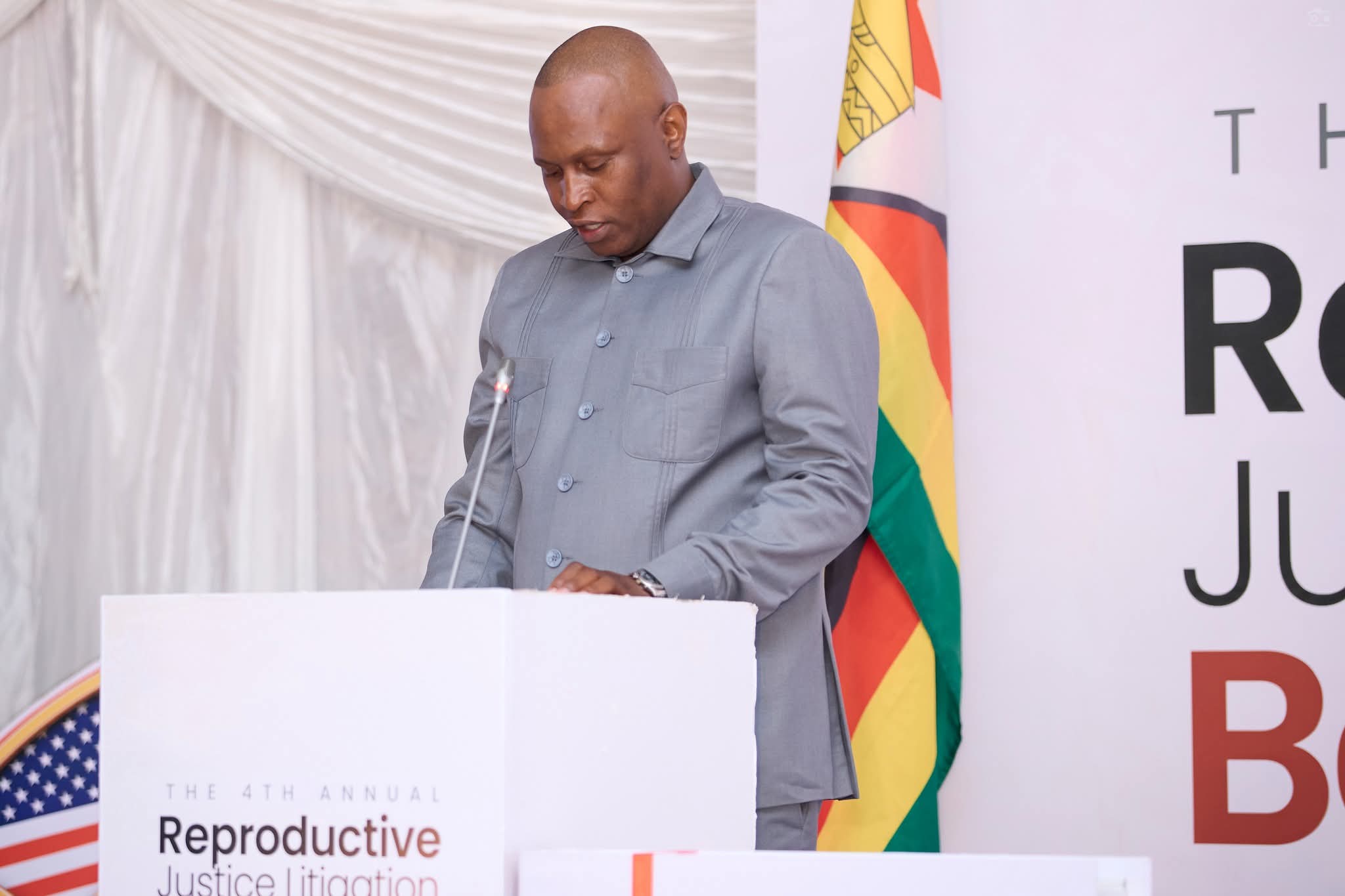
Rumbidzayi Zinyuke
Senior Health Reporter
ZIMBABWE has strengthened its capacity to safely manage hazardous healthcare waste following the commissioning of three modern medical incinerators at Parirenyatwa Group of Hospitals, United Bulawayo Hospitals and Masvingo Provincial Hospital.
The facilities were delivered under a US$2,2 million project funded by the government of Japan through the Tokyo International Conference on African Development (TICAD) and implemented by the United Nations Office for Project Services (UNOPS). The project is expected to improve the safe disposal of medical waste and reduce risks to healthcare workers, patients, communities and the environment.
Speaking at the handover ceremony at Parirenyatwa Hospital yesterday, Health and Child Care Deputy Minister Sleiman Kwidini said the project marked an important milestone in modernising healthcare waste management in the country.
“This occasion marks an important milestone in strengthening Zimbabwe’s healthcare waste management system and advancing safe, modern and environmentally responsible health service delivery,” he said.
Zimbabwe had for years faced challenges arising from inadequate waste management systems, outdated technologies and limited infrastructure, creating risks for healthcare workers, patients, communities and the environment.
Deputy Minister Kwidini said the Covid-19 pandemic had further intensified the challenge as healthcare facilities generated significantly larger volumes of hazardous waste requiring safe and efficient disposal.
“In some instances, unsafe disposal practices, such as open burning and inefficient incineration, have contributed to environmental pollution and potential public health hazards.
“It is, therefore, imperative that we invest in modern, safe and sustainable solutions to address these challenges,” he said.
The Parirenyatwa incinerator has a capacity to process between 150 and 187 kilogrammes of medical waste per hour and can operate continuously for up to 18 hours a day.
It is equipped with automated temperature and fire-control systems and smokeless, anti-pollution technology designed to reduce harmful emissions while using minimal fuel.
The facility can also generate useful by-products such as hot water, while its compact design allows it to be integrated into existing hospital infrastructure.
Deputy Minister Kwidini said effective healthcare waste management was an essential component of a strong health system and that the new facilities would contribute to protecting healthcare workers, patients, communities and the environment.
“The commissioning of this incinerator is therefore part of a broader national agenda to build a sustainable and high-performing health system,” he said.
Japanese Ambassador to Zimbabwe Maekawa Nobutaka said the project demonstrated his country’s commitment to strengthening Harare’s health system and supporting universal health coverage.
He said the new incinerators would improve the hospitals’ capacity to safely manage medical waste while reducing exposure to hazardous materials and strengthening infection prevention and control.
“By introducing advanced, environmentally sound technologies from Japan, specifically leveraging the latest innovations from CHUWA STAR, the Japanese Incinerator Company, this project contributes to building a more sustainable, efficient, and resilient healthcare waste management system across Zimbabwe,” he said.
He said the project was being implemented within the TICAD framework, where health remains a key priority, while also reflecting the longstanding partnership between Japan and Zimbabwe.
Ambassador Nobutaka said Japan’s support to Zimbabwe’s health sector extended beyond the incinerator project, adding that his country had provided about US$322 000 through UNOPS in 2023 to strengthen emergency medical services in Manicaland, including ambulances and diagnostic equipment.
He said Japan had further approved US$1,1 million to UNOPS for projects aimed at strengthening infection prevention and control, including modern hospital laundry and disinfection equipment, ambulances and ICT solutions for rural health centres in high-burden malaria districts.
Dr Najibulla Safi who was representing the United Nations resident coordinator Dr Rosemary Kalapurakal, said the intervention would contribute to safer and more resilient healthcare delivery.
“By installing and operationalising modern, low-emission incinerators at Parirenyatwa Hospital, Masvingo Provincial Hospital, and United Bulawayo Hospitals, we are addressing critical gaps in the management of hazardous healthcare waste,” he said.
He said safe healthcare waste management was an essential component of a functioning health system, with effective treatment helping to reduce infection risks and environmental contamination.
Parirenyatwa Group of Hospitals acting chief medical officer Dr Tonderai Mangwiro said the commissioning of the facility would strengthen the hospital’s ability to manage healthcare waste safely and efficiently.
“The commissioning of this incinerator therefore marks an important milestone in strengthening our capacity for safe healthcare waste management, infection prevention and control, occupational safety, and environmental protection,” he said.
The project is part of Government’s broader efforts to modernise the health sector and build resilient, people-centred health services in line with Vision 2030.