admin
admin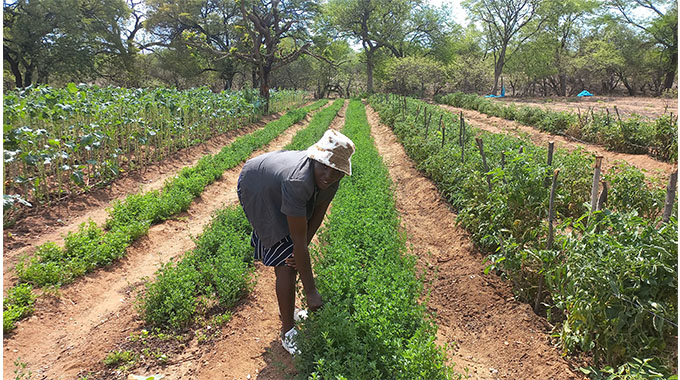
Sukulwenkosi Dube-Matutu,Matabeleland South Bureau Chief
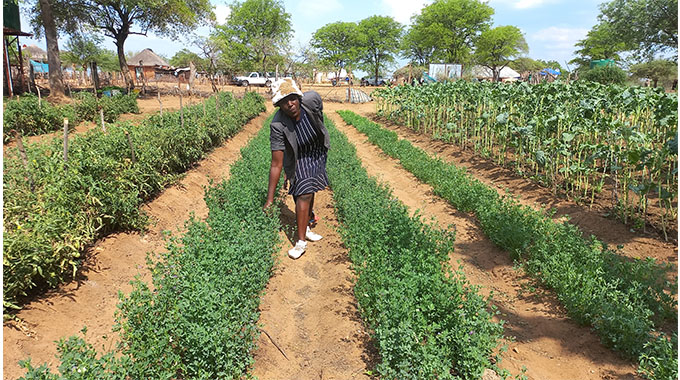
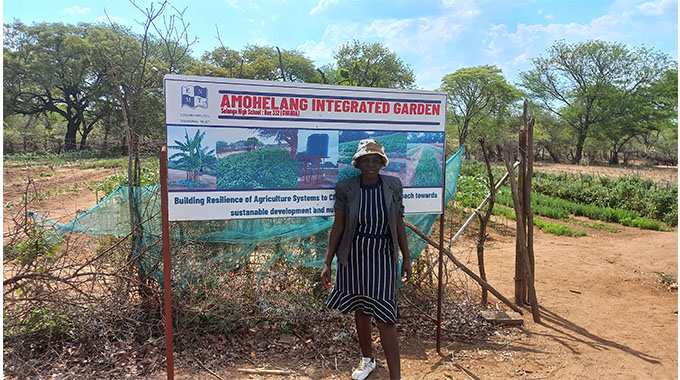
AMOHELANG Garden farmers are running a thriving project under an integrated farming system where they are producing fodder to feed their livestock.
They also sell the fodder and other crops produced at the garden to community members.
The farmers produce fodder which includes lucerne, sunhem and small grains as well as various types of vegetables.
They also run a goat breeding project which has over 200 animals.
The Gwanda District tree planting day was recently held at Amohelang Garden where 80 fruit trees were planted to start an orchard at the garden.
The farmers established the garden in 2020 but did not have a reliable water source which affected their production.
The Edward Ndlovu Memorial Trust came in and assisted the farmers with a solar-powered borehole.
Project member, Ms Tupeho Dube said their income had increased since they started the garden project.
“When we started the project, we were only breeding goats. We later realised that if we wanted to become successful farmers we needed to have a holistic approach. We shouldn’t only focus on livestock but crops as well and now we have also introduced an orchard,” she said.
Ms Dube added: “When we started the garden project it was mainly for fodder production. We had received training on the importance of growing fodder in order to supplement our animals. We then went on to introduce cash crops such as sugar beans, tomatoes, onions and vegetables. This hasn’t only benefited us as members of the group but the entire community as well.”
She said they now understood that while they had to generate income through their farming activities, they also had to practice farming in an environmentally friendly manner.
Mr Petros Dube who is also a member of the project said the Edward Ndlovu Memorial Trust working with partners such as the Forestry Commission and Agritex had come in with crucial information on integrated farming.
He said they had now introduced an orchard at their garden as they understood the importance of trees in increasing soil fertility, which would therefore increase their production.
“As farmers, we understand that we shouldn’t only focus on produce but we also have to protect the environment. If we neglect this land that we are producing on, then in the next few years it would have turned barren.”
Speaking during the tree planting day which also marked the start of Amohelang orchard, Gwanda District Development Co-ordinator, Mr Thulani Moyo said the garden and orchard will go a long way in addressing food insecurity, poverty, and vulnerability caused by erratic rainfall patterns and successive droughts.
He urged development partners to prioritise building community resilience.
“With these issues in mind, interventions such as an orchard establishment comes at an opportune time when tree planting has become a cornerstone of many environmental campaigns in recent years. The call to plant trees is everywhere, seen as a simple and effective way to help reduce the impact of carbon emissions and restore natural ecosystems. I have reliably been informed that deforestation in Gwanda is exceeding 933 hectares per year, which is unacceptable. The main drivers of deforestation in our districts have been agriculture expansion, firewood and mining. It is therefore our duty to reverse deforestation through intensive tree planting and conservation,” he said.
Mr Moyo added: “It’s important that we adopt climate-smart agriculture practices like agroforestry. Agro-forestry is key to sustainable food security and nutrition. It generally involves the mixing of crops and or livestock taking advantage of their symbiotic and abiotic interactions. Planting trees together with crops greatly increases the yield in the field.”
Edward Ndlovu Memorial Trust programmes officer, Mr Mike Moyo said they had implemented the integrated gardens in two wards in Gwanda.
He said gardens are designed to contribute to sustainable economic activities and building community resilience to climate change.
Mr Moyo said gardens are targeting cash crops such as vegetables, leguminous plants, root crops, fodder crops and various fruit trees. He said they also plan to introduce fishery projects at the gardens. — @DubeMatutu


 Online Reporter