admin
admin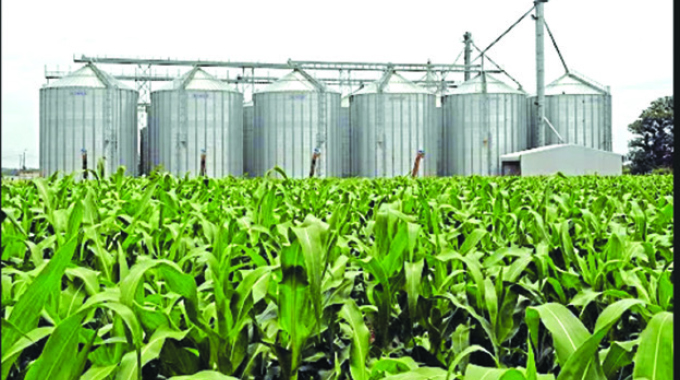
Obert Chifamba-Agri-Insight
FORGET the glaring similarities and differences between the 2021/22 cropping season and its predecessor and focus on the rich legacy of practical lessons they may have left for the farmers.
Both seasons got off to sluggish starts characterised by the delayed onset of rains and wilting of early planted crops.
The seasons later experienced lavish quantities of rains that also threatened to ruin the late crop that had performed well.
The two past seasons left those farmers intending to do winter cropping in a catch-22 situation, as they needed to free their fields of the summer crop and quickly start preparations for winter cropping.
This has proved a difficult feat given the huge moisture content crops would pick from the downpours, yet they were supposed to be taken off the fields and stored somewhere for safe keeping.
It is common knowledge that excessive rains can affect crop yields, as much as excessive heat and drought.
A study done in the United States exposed that excessive rainfall reduced maize yields by as much as 34 percent relative to the expected yield.
The study also revealed that drought and excessive heat caused a yield loss of up to 37 percent during some years or even more depending on the severity of the problem.
Naturally, excessive rainfall can affect crop productivity in various ways, including direct physical damage, delayed planting and harvesting, restricted root growth, oxygen deficiency and nutrient loss.
At this time of the year when most crops would have ripened and are in the process of drying, rains are usually an unwelcome visitor, just like any disturbance in weather will adversely affect crops.
Farm output is affected when crops that are ready to be harvested or about to ripen get soaked in excessive rainfall.
This is the situation in which most of our farmers are finding themselves in as they wait for their crops to dry to the expected moisture percentage levels and make room for winter crops.
If the summer crops remain on the field, it means they would be chewing into the time farmers should be preparing for the winter cropping season.
On the other hand, harvesting the crops without allowing them to dry properly would also spell out doom.
Essentially, it is also not advisable to work on the soil when it is too dry or too wet, as this destroys the crumb structure so the farmers are also facing the dilemma of failing to do either land preparation or planting.
Farmers have to wait until the soil dries up a bit before they can start doing meaningful work on it.
On the one hand, rushing to harvest crops that would not have dried to the correct moisture content would require the farmers to have a Plan B in place for further drying to make storage possible.
The sad reality is that few farmers have the capacity to dry their crops using artificial means such as dryers.
In most cases, some farmers have ended up enlisting the help of the Grain Marketing Board (GMB), which has seven dryers that have been installed in some of its depots across the country, but seven is just a drop in the ocean for the thousands of farmers who may be requiring the services.
Of course, the GMB will be adding another 13 dryers to the already installed lot, but the impact will not be much owing to the big numbers of farmers who may need the services at the same time.
What the farmers may also need is to invest more in storage infrastructure in which they build structures that are roomy and well ventilated to allow them to harvest and store produce even when it’s not yet fully dried.
The other solution would be for farmers to group up and jointly buy dryers for their use instead of waiting for the ones from GMB.
There is also the option of using off-farm storage facilities in cases when farmers do not have the proper drying infrastructure, but want to immediately diffuse the pressure that comes with harvesting crops during emergencies and still expect to make the best out of them.
In the Makonde District in Mashonaland West province, for instance, a Warehouse Receipt System was introduced in 2008 and has proved to be useful, although the uptake was not very encouraging because of various reasons.
Some of the reasons behind the low uptake of the system include high opportunity costs of storage, high storage cost per tonne and inaccessibility of the warehouse due to lack of means of transport by the resource poor farmers.
Generally, farmers are left in a serious predicament in the wake of excessive rains during a time when they expect produce to be ready for harvesting and storage before going to the market.
There is always a problem when rains come in contact with ripe produce.
The first major concern is rotting, followed by food safety concerns.
The incidence of crop rot will vary based on the type of produce, for instance, leaf vegetables like lettuce may be more susceptible to deterioration than melon due to its tougher skin.
In instances where the rains induce flooding, food safety concerns take precedence, as flood water from streams or rivers is more likely to contain human pathogens than surface water.
Ripe produce that has come in contact with flood waters should not be harvested for sale, which means farmers would have scored big losses even when the harvest would have been bumper.
Wet conditions on the other hand tend to favour disease development in the fields, which means farmers should remove their crops once they are ready for harvesting and store them safely somewhere.
They can always maintain fungicide spray programmes using appropriate systemic products for leaf (foliar) and especially root disease causing organisms (pathogens).
In excessively wet conditions like the ones the country has experienced in these two seasons, farmers should always keep an eye out for flare-ups of diseases such as grey mould, anthracnose and leaf spots in general.
Root rots can also become a problem in fields that stay wet for extended periods, while there can also be excessive leaching of soil nutrients for those doing winter cropping.
Such an eventuality will always push the farmers to spend more on fertilisers than initially budgeted for.



 Online Reporter