admin
admin
Own Correspondent
The recently held harmonised elections in Zimbabwe have unfolded a new chapter in the country’s political landscape.
It was of intrinsic value by giving all Zimbabweans a voice in making decisions on matters that affect the quality of their lives.
In the aftermath of these elections, what remains fundamental is that national interests should now supersede political ambitions and egos.
The recent electoral patterns have mirrored that Zimbabwe is a political nation that now requires collective action from all progressive actors across the political divide.
It is, therefore, foolhardy for some political parties, particularly the Citizens Coalition for Change led by Nelson Chamisa, to want to derail the opportunity for nation-building through unnecessary contestations because the election result was not in their favour.
While it is their constitutional and democratic right to do so; the bastardisation of electoral processes has for a long time been the default state of opposition politics in Zimbabwe every time the people make choices that they are not comfortable with, and that should be discouraged.
Given the magnitude of Zimbabwe’s economic challenges at the turn of the millennium characterised by a contracting gross domestic product, unemployment, paltry foreign direct investment, and budget deficits; it is critical that the focus now should be on nation-building, moving beyond elections and putting the country on an economic trajectory that fulfils the hopes and aspirations of the Zimbabwean people.
For all intents and purposes, elections are a platform that gives people a chance to decide who will be entrusted with the basic tasks of government, as well as the right to participate in a process where political values are reconciled and choices made.
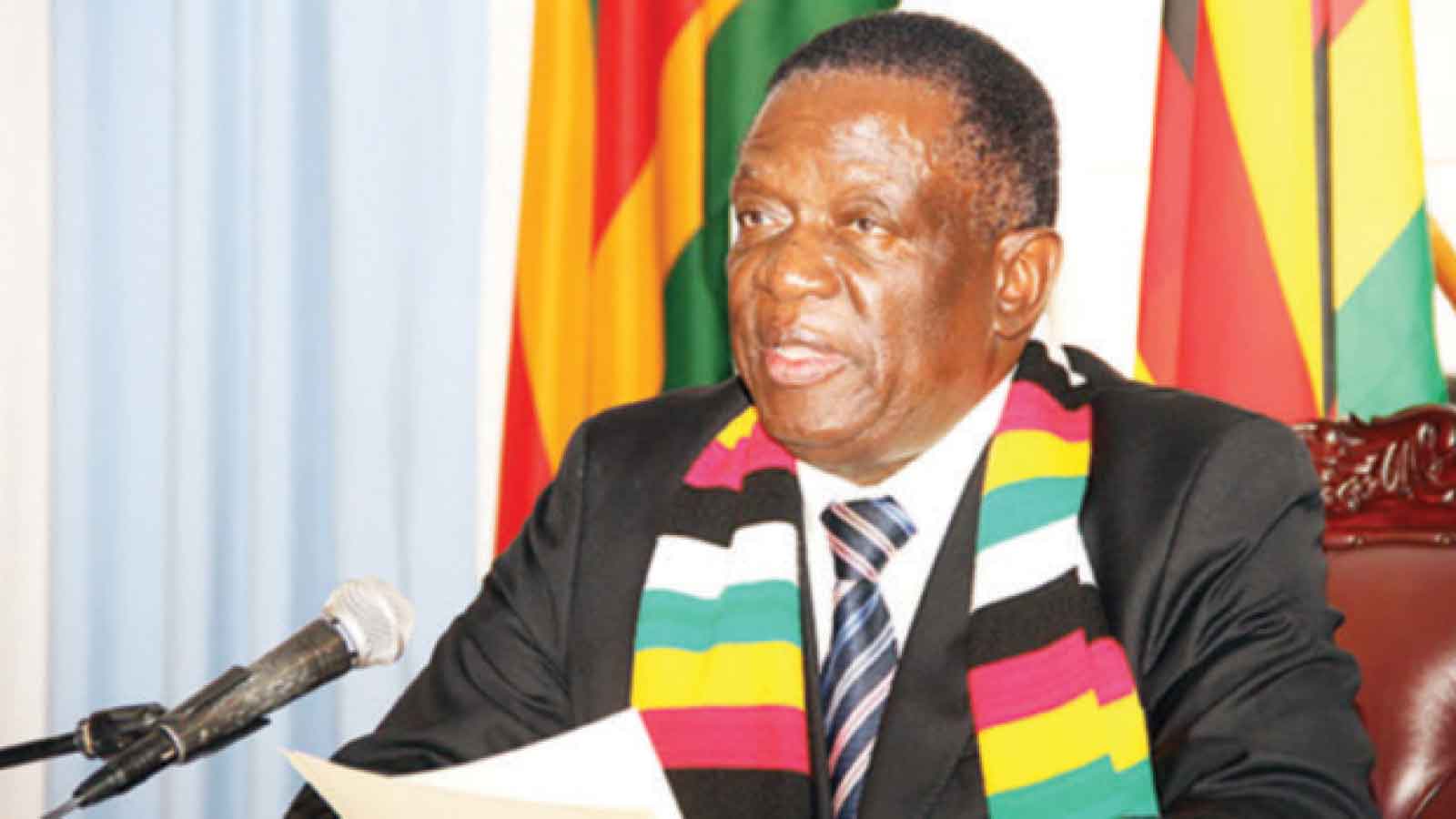
Evidently, the people of Zimbabwe participated and made a choice to entrust President Mnangagwa with the task of governance.
It is, therefore, time to move beyond party politics perspectives and embrace an image of togetherness as one people with similar aspirations, and the beginning of a long road ahead in making the country great again.
While for Chamisa and his party elections are all about having political power; history has taught us that it is injudicious and disingenuous to uncouple oneself from others because politics and nation-building are not solitary enterprises perused by hermits in the wilderness; there is always potency in unity.
It would be great if he conceded electoral defeat and allowed an opportunity to build consensus and work together with the winning candidate, especially against the backdrop that what he was promising and proposing during his election campaign; President Mnangagwa’s government had already been doing it; and that clearly shows there is one common theme, which is to rebuild Zimbabwe.
Until the Citizens Coalition for Change and their leader appreciate elections as a systematic contestation of ideas that are to, and not to believe, their party politics remain very Neanderthal and unpleasant.
They should appreciate politics as a game of selling ideas and attracting admirers with the endgame being to steer the country forward.
The nation cannot be held at ransom by ambitious politicians, and remain in an electioneering mode forever.
It is very important that Zimbabweans from across all walks of life put elections behind them and forge ahead with nation-building, utilising everyone regardless of creed, gender, or political affiliation.
There should be no minority, there should be no majority, and there should just be one people working for the common national cause.
While diversity is the order of life, at this juncture in Zimbabwe, unity and convergence are key.
The future of the country is in integration and coming together to replace the vicious circles and cycles of political ambitions and power hungriness with the virtuous circles and cycles of unity, love, togetherness and peace.


 Online Reporter