
Latwell Nyangu and Arron Nyamayaro
RECKLESS drivers, who have turned Harare into a TRAFFIC JUNGLE, appear to be in the final phase of their madness.
Authorities have laid the foundation to fight back and restore order.
Those who will be found to be repeatedly violating traffic laws could eventually lose their driving licences as part of proposals meant to tame the traffic jungle in the capital.
It’s called the Driver’s Licence Penalty Points (Demerit) System.
“The issue is under the Ministry of Transport and those drivers who will be involved in reckless driving conduct, especially those involved in road accidents, pavanenge vachisungwa or prosecuted, their weights will be going down.
“When their points drop to a certain level, just like in other countries, they will not be able to qualify to drive.”
The crackdown is not only limited to the capital.
Last week, Godknows Maringisi, 43, was jailed for two years in Chinhoyi and had his driver’s licence cancelled after he was convicted of driving under the influence of alcohol.
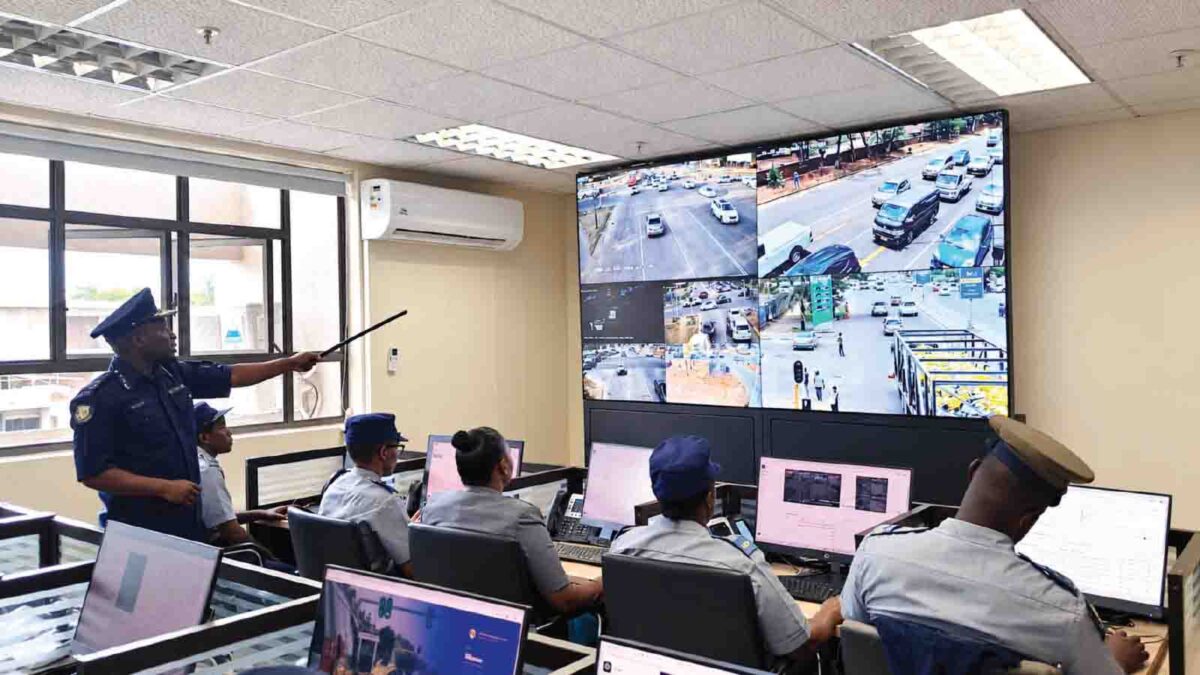
Police in Harare have now entered the first phase of the Electronic Traffic Management System (ETMS) with 20 sites under surveillance in the capital.
Since the system was first rolled out in May, about five million traffic-related violations have been recorded, with police now in the validation process.
Addressing the media yesterday, during a tour of the system at the Command Centre, at CID Headquarters, national police spokesperson, Commissioner Paul Nyathi, warned motorists, motorcyclists and pedestrians to be law-abiding.
He said the system was intended to enforce road rules, improve safety and reduce road accidents.
It was not meant to punish motorists.
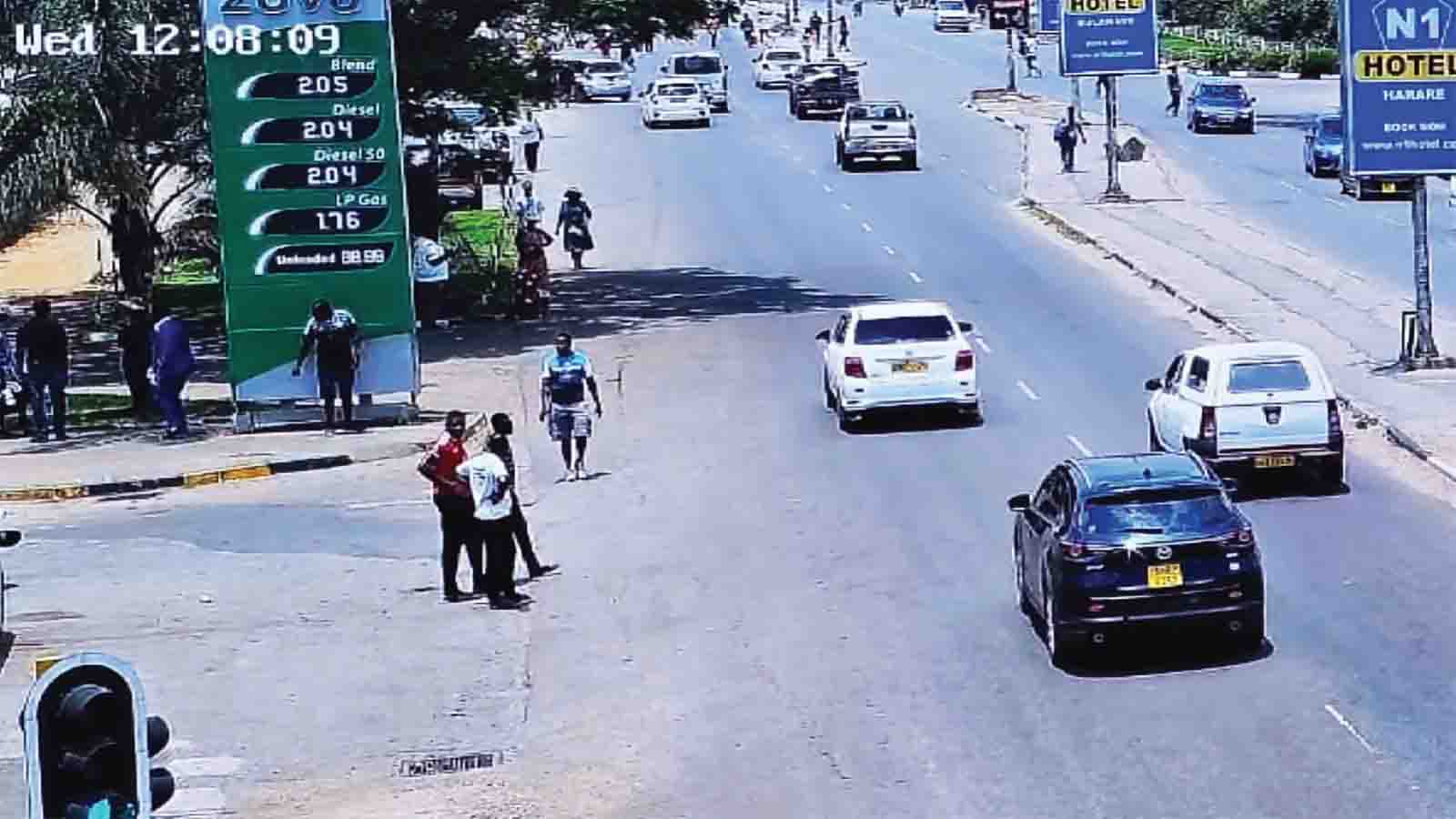
The cameras installed at 20 sites can record traffic violations and help police identify suspected criminal activity, including armed robberies, and smash-and-grab incidents.
More sites will be added.
The system has stopped police officers from chasing suspects to watching them and arresting them before they get away from the scenes of crime.
“The system is not there to punish motorists and pedestrians but to bring sanity to our roads and stop reckless driving that endangers other road users,” Comm Nyathi said.
“Some pedestrians have been killed or injured as a result.”
He said the system would reduce the need for direct interaction between motorists and officers, helping to combat roadside corruption, extortion and bribery.
“The system is shifting towards technology-driven law enforcement,” he said.
Police will conduct public awareness campaigns across the country to explain how the system works and remind road users of their responsibilities.
The system’s command centre will support officers on the ground by helping them respond quickly to crime and suspicious movements, Comm Nyathi said.
“We want all motorists to develop a culture of respecting other road users and observing traffic rules and regulations,” he said.
Pedestrians and motorcyclists would also be monitored.
Pedestrians should use appropriate crossing points or they will face arrest.
He also encouraged motorists to ensure vehicle ownership records were up to date.
The system can identify vehicles through their registered owners, including those belonging to companies and Government departments, he said.
Motorists recorded committing traffic offences will receive electronic notifications and have seven days to respond.
They will then be allowed a further seven days to pay any fine, according to the police.
Those who fail to respond within the 14-day period risk being blacklisted and placed on a police wanted list for prosecution.
“Every motorist found on the wrong side of the law will be given the opportunity to view the recorded video and will have the choice of paying the fine or appearing in court,” Comm Nyathi said.
Some journalists were shown footage of their own recorded offences.
Comm Nyathi said motorists who pass through hotspot areas during the night could be spared.
The hotspots include the Mupedzanhamo area, Crisps and Seke Road and the intersection of Crisps and Remembrance Drive.
Comm Nyathi said fines for the offences will range from Level 1 to Level 3, which constitutes a maximum of US$30.
Commissioner Nyathi also urged the media to play a role in raising awareness as well as warning pedestrians.
“We can accept US$5, we can even accept US$15, up to US$30, depending
with the offence.
“We have taken note of the issue of traffic lines, the traffic lines in the CBDs where the police are working together with the local authorities to ensure that those issues are addressed.
“But, all in all, we want Zimbabweans to be responsible citizens, to be law-abiding citizens.”
Meanwhile, police IT Director, Assistant Commissioner Hajiwett Gomo, said the validation process of offences under the Smart Traffic Management System is now in Phase One.
“A motorist or an offending driver is actually notified through his or her mobile number.
“So, as we have indicated, it’s not only the cameras that are sending the offences, but there is another layer of human validation.
“When the camera captures an offence, it actually feeds it to the command-and-control centre.
“The purpose of these experts, the validators, is actually to view the video, to see whether the offence is valid or not.
“And, there are some instances where there is a police officer controlling the traffic light and someone enters through a red light.
“That one will actually be invalidated because there is a police officer who is actually overriding the traffic sign.”