

 Online Reporter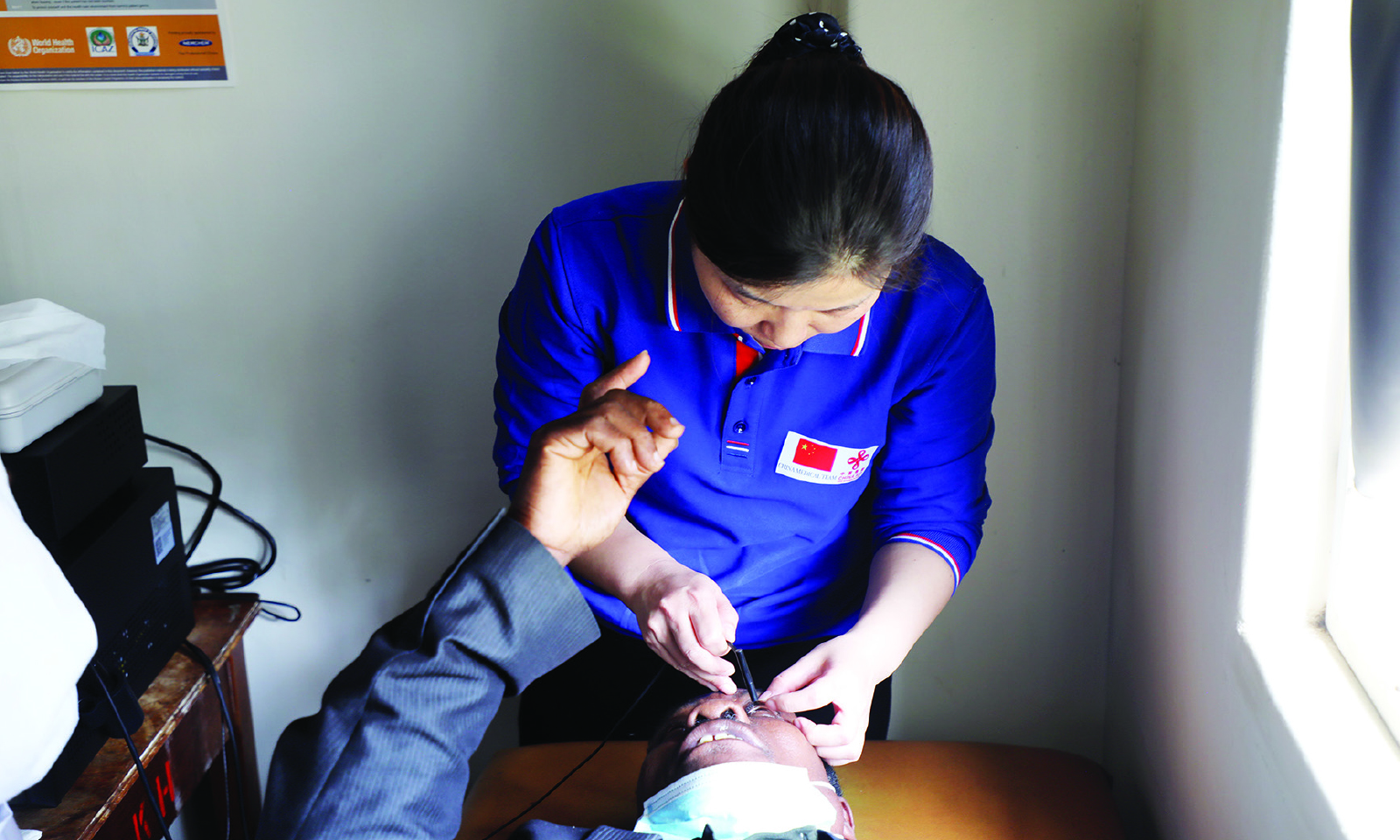
Rumbidzayi Zinyuke
Health Buzz
Blindness is one of the most common forms of disability among the aged, not only in Zimbabwe but the world over.
The leading causes of vision impairment and blindness globally are refractive errors and cataracts. Cataracts, the clouding of the eye’s natural lens, remain one of the most treatable vision impairments.
As life expectancy rises and populations age, the burden of cataracts is becoming more pronounced, particularly in low- and middle-income countries where access to surgical interventions remains limited.
While the condition primarily affects older adults, younger individuals, including those with diabetes or a history of eye injuries, are also at risk.
According to the World Health Organisation (WHO), cataracts account for approximately 51 percent of global blindness cases.
In Africa, where healthcare infrastructure can be limited, the situation is even more dire.
Studies indicate that while cataracts contribute to a significant percentage of avoidable blindness, many people remain untreated due to a lack of awareness and financial constraints.
What causes cataracts?
Most cataracts develop when aging or injury changes the tissue that makes up the eye’s lens. Proteins and fibres in the lens begin to break down.
This causes vision to become hazy or cloudy.
Some disorders passed down from parents that cause other health problems can increase the risk of cataracts.
They can also be caused by other eye conditions, past eye surgery or medical conditions such as diabetes.
Cataracts usually happen in both eyes, but not always at the same rate. The cataract in one eye may be worse than the other. This causes a difference in vision between eyes.
There are many types of cataracts that include paediatric cataracts that affect babies and children.
Paediatric cataracts typically run in families, but they can also happen due to eye injuries or other eye conditions.
Babies and children with paediatric cataracts need prompt treatment to prevent problems like amblyopia (lazy eye).
There are also traumatic cataracts, which form when an eye is injured.
Treatment for this type is more complicated because structures around the lens may also need repair.
Secondary cataracts are cloudy patches that form on the lens capsule, or the membrane that covers the lens. This is a common but easily treatable complication of cataract surgery.
Then there are various types of age-related cataracts, which is the most common.
According to experts, the proteins in the eye’s lens start to break down around age 40. But people typically will not notice symptoms until much later.
What are the symptoms of cataracts?
Cataract symptoms include cloudy, blurry, foggy or filmy vision, changes in the way one sees colours, sensitivity to bright lights, difficulty seeing at night and double vision among others.
Although cataracts are usually not painful, they can cause discomfort by making the eyes more sensitive to light.
There are three risk factors for cataract formation that include environmental, medical and genetic.
Environmental risk factors are those that are encountered in the surroundings.
These can include toxic substances that one breathes in or ingests including air pollution, tobacco smoke, alcohol, industrial chemicals and pesticides.
Medical risk factors include having diabetes or high blood sugar, having certain eye surgeries, like glaucoma, using corticosteroids to treat some medical conditions (like rheumatoid arthritis) as well as having certain eye diseases.
A family history of cataracts also raises the risk of developing them. Some genetic mutations lead to congenital cataracts (present at birth). When it comes to age-related cataracts, genetic mutations may make the lens more vulnerable to damage from environmental risk factors.
In Zimbabwe, it is estimated that between 60 000 and 100 000 people suffer from cataract-induced vision impairment, limiting their ability to work, socialise, or even carry out daily activities.
Cataract surgery is the only way to remove cataracts and restore clear vision.
This week, at least 600 patients will receive free eye cataract surgery during a camp being rolled out under the ‘Bright Journey’ programme, a joint effort between the Zimbabwean and Chinese governments.
A team of 11 Chinese ophthalmologists being led by Dr Hong Xiuqin from Hunan Provincial People’s Hospital is working with local doctors to conduct the surgeries.
While the number of people receiving care during this camp may be small, it is a step towards reducing the backlog.
According to Chief Government Ophthalmologist, Dr Boniface Macheka, at least 65 percent of people with eye problems in Zimbabwe have untreated cataracts.
“Most major hospitals, central and provincial, have eye units with doctors who can do cataract surgeries. Other district hospitals, for instance, Norton, have doctors that are doing cataract surgery. So we have tried to set up and make these surgeries available.
“The major handicap has been provision of sundries, consumables, which will make it easier for these patients to access these services. As Government, we are working on measures to try and see that these surgeries are available in the farthest parts of our country,” he said.
Cataract surgery is one of the safest and most effective medical procedures, boasting a success rate of over 95 percent.
Beyond personal health, successful cataract treatment has broader socioeconomic implications—restoring independence, improving quality of life, and reducing the burden on caregivers and healthcare systems.
Without treatment, cataracts can severely impact productivity.
For older individuals, the loss of vision increases the risk of falls and injuries, leading to higher healthcare costs. For younger patients, especially those in working-age groups, untreated cataracts can mean job loss and economic hardship.
While aging is the primary risk factor, research suggests that certain lifestyle choices can delay the onset of cataracts.
Preventive measures may be taken to reduce the risk of developing cataract.
These can include protecting the eyes from Ultraviolet (UV) rays, managing chronic conditions like diabetes and hypertension, avoiding smoking and excessive alcohol consumption, maintaining a healthy diet as well as regular eye check-ups to ensure early detection and facilitate timely surgical intervention.
The need for greater awareness
Despite cataracts being treatable, many people delay seeking medical attention due to myths and misconceptions about surgery. In shona the surgery is called “kupara maziso” which may then infer that the process is painful.
That fear of pain, coupled with financial constraints and a lack of knowledge about available treatment options often prevent many from regaining their vision.
It is therefore crucial for Government to ramp up efforts to provide affordable surgical interventions, increase outreach programmes, and educate communities about the importance of timely eye care.
Eye health remains a crucial part of overall well-being and addressing the cataract challenge should be a priority for all.
By prioritising eye care, we can ensure that vision loss due to cataracts does not continue to hinder the lives and productivity of millions worldwide.
Feedback: [email protected]



