admin
adminAgriculture Reporter
All types of poultry need the correct feed to produce quality meat and eggs and to stay healthy.
Fresh, clean water is the most important need and should be available at all times.
Poultry specialist FT Moran says in his handbook – Success in Poultry Production – correct feeds should also contain proteins for bodybuilding and repair, carbohydrates and fats for energy, and vitamins and minerals for normal growth. The contents should also be balanced. Pure bred, indigenous and even first poultry often do not grow as quickly as commercial hybrid broilers or lay as many eggs as commercial hybrid layers.
So although they still need water, proteins, carbohydrates and other nutrients, the proportions and total amounts differ. A pure bred hen laying four eggs a week only needs 14 percent protein in her feed, yet a hybrid layer laying six eggs a week needs 17 percent protein in the feed.
The purebred hen needs 110g of feed a day compared to 120g for the hybrid. Feed costs can, therefore, be kept lower than for commercial hybrid layers and broilers. Studies have also shown that up to one-third less bought feed can be used without losing much or any production.
Poultry can also be fed on home grown grains, grass or brassica leaves (cabbage, rape), and table left-overs such as sadza, potatoes or cooked vegetables.
However, feeding only grains, greens and table leftovers is not good enough for best production. Growth rate of the poultry will slow down and fewer eggs will be laid. Some poultry producers prepare their own feeds but this is a complicated process.
Farmers can get advice from poultry specialists or extension officers. Adding supplements to poultry feed or water can cure some health problems in poultry. Vitamin, mineral and calcium supplements are sold in retail shops. For high production levels, the most effective way to feed purebred, indigenous and first cross poultry is to give them the correct type of commercial bought feed.
Indigenous and purebreds of zero to four weeks of age should be fed chick mash alone, while the hybrid poultry of the same age eat chick mash or broiler starter mash alone. Indigenous chicks from four to eight weeks old eat chick mash plus grains, greens and scraps. Layers mash plus grains, greens and scraps are given from 18 weeks.
Hybrid poultry eat chick mash and broiler finisher at 4-8 weeks old and growers mash at 8-18 weeks old. From 18 weeks, the chickens are given layers mash only.


Online Reporter
- Herald
- July 28, 2026
- 14 views
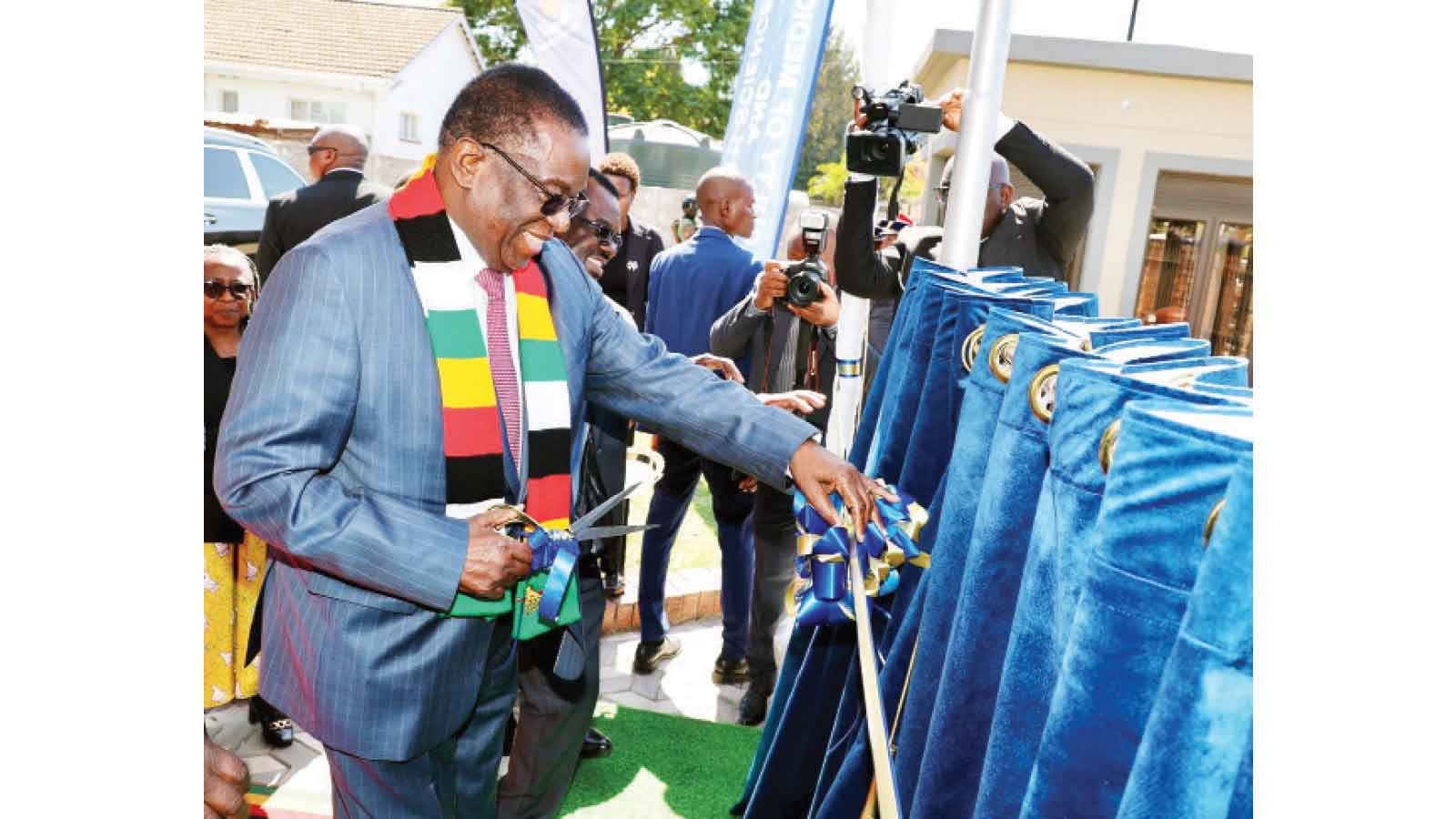
Our people deserve better, says President‘. . . health sector cartels inflate prices, prejudice patients’ . . . opens industrial incubation centre, medical facility
Zvamaida Murwira Senior Reporter PRESIDENT Mnangagwa has hit out at unscrupulous businesspersons in the health sector who operate as cartels and syndicates to inflate costs of goods and services for…