Online Reporter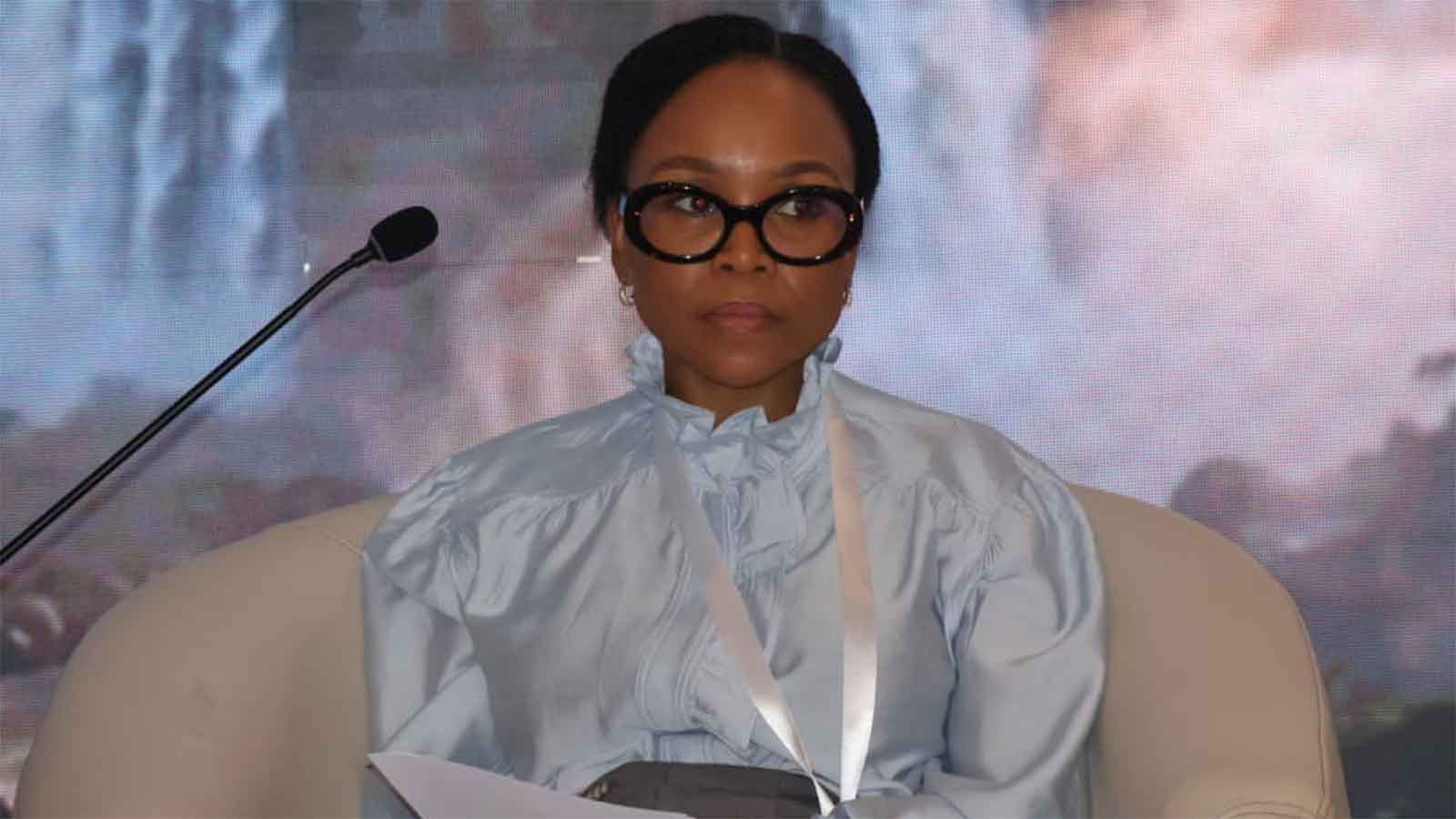
Theseus Mauruki Shambare in VICTORIA FALLS
The Tripartite Negotiating Forum Global Summit has called for a more inclusive labour market that expands social protection, creates productive jobs and removes barriers preventing vulnerable groups, including persons with disabilities, from participating fully in the economy.
Speaking during a session on decent work, employment creation and social protection for an inclusive global economy in Victoria Falls on Tuesday, International Labour Organisation (ILO) Country Director for Zimbabwe and Namibia Ms Philile Ntombikayise Masuku said Zimbabwe needed to move from endorsing its formalisation strategy to implementing it.
“You will recall that the Government has just endorsed the formalisation strategy. I think we need to commit to making sure that it is implemented, and also commit to the gradual extension of social protection to informal workers and also the workers in the platform economy,” she said.
Her remarks come as the informal economy remains an important source of livelihoods, while new forms of work, including platform-based employment, continue to reshape the labour market.
Organisation of African Trade union Unity (OATUU) secretary-general Mr Arezki Mezhoud said addressing precarious employment in Africa also required countries to tackle the structural factors driving workers into informality.
He said African economies needed greater industrialisation, productive investment and local value addition to create sufficient employment opportunities for the continent’s growing youthful population.
“The debate here is the precariousness of employment in Africa. It is much more about the informal sector,” Mr Mezhoud said.
“But there are reasons why there is informality. It means there is an absence of industrialisation.”
He said Africa could not rely predominantly on exporting raw materials while importing finished products at higher prices.
“The only investments are in the extractive sector. That is to say, we exploit our natural resources, we sell them outside, and then they sell us the finished products at an even higher price,” he said.
Mr Mezhoud said governments, employers and labour needed to work together on productive development policies capable of generating jobs, while trade unions should organise informal workers so that they could participate meaningfully in negotiations over their rights.
Meanwhile, Sightsavers Zimbabwe Country Director Mr Peter Bare said inclusive growth could not be achieved if persons with disabilities continued to face barriers to employment.
Mr Bare said persons with disabilities account for about 16 percent of the world’s population, while citing an ILO study which found that labour-market exclusion could result in economies losing between three and seven percent of GDP.
“Growth is only inclusive when employers can also draw from the full potential and the talent of the nation. And we should not stop there if we don’t include even persons with disabilities,” he said.
He said Zimbabwe’s labour-market assessment conducted in 2022 had identified challenges in recruitment, including a lack of coordinated pathways for persons with disabilities to access employment.
Mr Bare questioned whether conventional recruitment systems were sufficiently accessible, noting that employers sometimes argued that persons with disabilities were simply not applying for advertised jobs.
He said employers needed to examine whether job advertisements, interview venues and workplaces were accessible.
Sightsavers, the Employers’ Confederation of Zimbabwe (EMCOZ) and the ILO launched the Zimbabwe Business and Disability Network in 2024 to provide a platform for businesses to build capacity and share practical approaches to disability-inclusive employment.
The three interventions at the summit highlighted the broader challenge facing African labour markets — ensuring that economic growth translates into jobs and social protection that reach workers across the formal, informal, platform and disability-inclusive segments of the economy.