Sharon Jiyamwa-Agriculture Correspondent
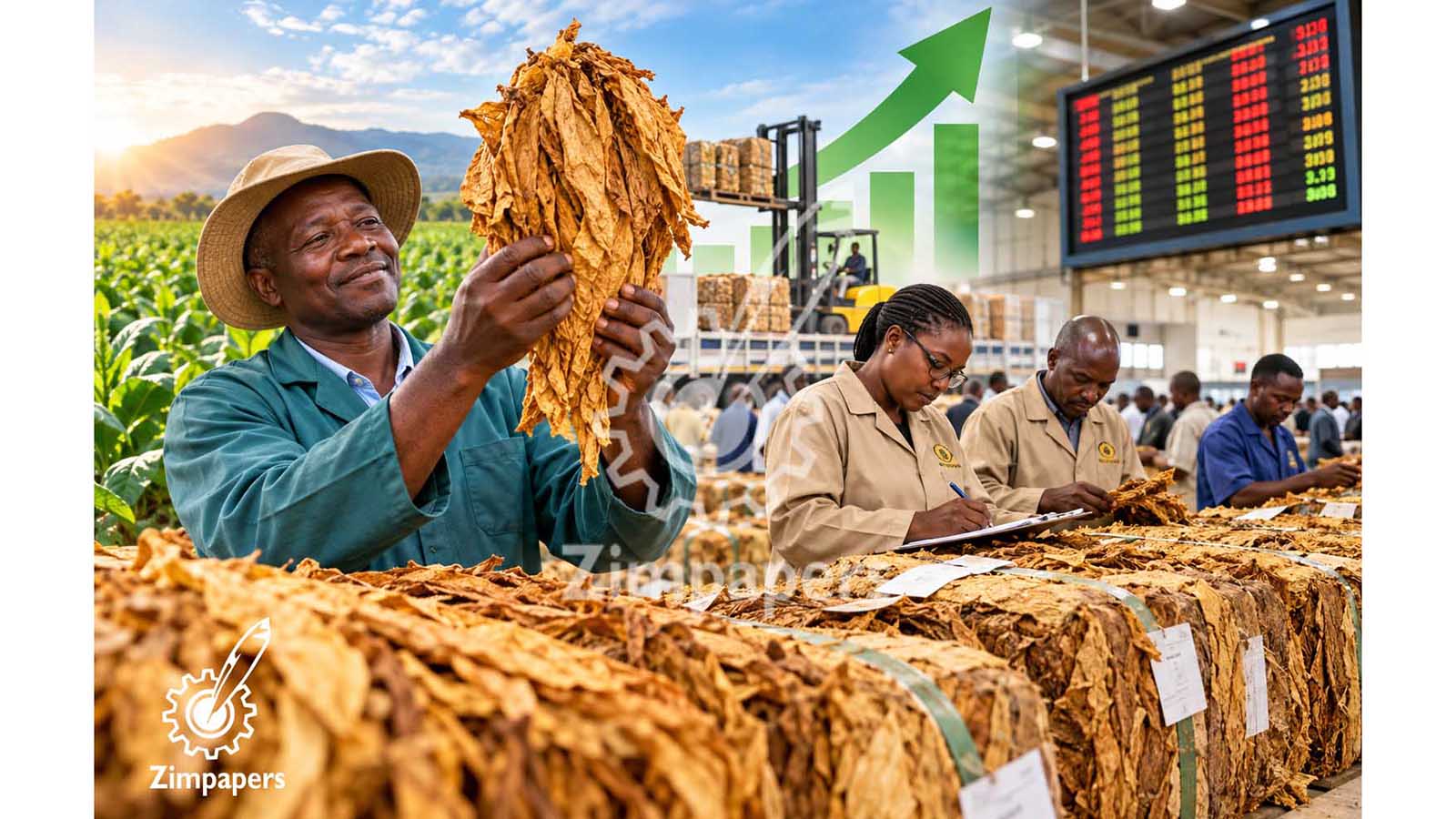
ZIMBABWE has earned US$1,09 billion from tobacco exports so far this year after shipping 209,8 million kilogrammes, driven by firm international demand.
According to the latest weekly update from the Tobacco Industry and Marketing Board (TIMB), export earnings rose 15,5 percent from US$948,5 million recorded during the same period last year, while shipment volumes climbed 21,6 percent from 172,5 million kilogrammes.
The Far East remains Zimbabwe’s largest buyer, absorbing 91,3 million kilogrammes valued at US$624,1 million, up from 70,4 million kilogrammes worth US$480 million last year. The region also paid the highest prices, averaging US$6,84 per kilogramme.
Africa accounted for 46,2 million kilogrammes valued at US$177,9 million, followed by the European union at 24,9 million kilogrammes worth US$117,4 million, and the Middle East at 23,7 million kilogrammes valued at US$72,8 million. Smaller volumes were shipped to the rest of Europe and the Americas.
Meanwhile, grower registrations for the 2026/27 cropping season have risen 10 percent to 97 125 farmers, up from 88 024 during the corresponding period last year.
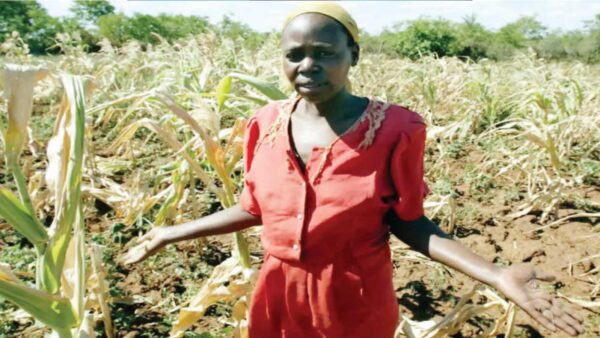
However, dry weather over recent weeks has delayed transplanting, while declining reservoir levels have slowed down irrigation.
Zimbabwe Tobacco Growers Association president Mr George Seremwe said established irrigated growers were progressing despite low water bodies, whereas rain-fed smallholder farmers remained focused on land preparation and seedbed maintenance.
“The irrigated tobacco crop is going well, although there are challenges with water bodies which are already low, resulting in slow irrigation. However, most of those farmers are well established and are progressing,” he said.
“Those who depend on rainfed agriculture are waiting for the rains because the little amounts received so far have not managed to provide enough moisture for planting. Some farmers took the risk of planting, but growth may be affected by the dry conditions. A lot of the tobacco is still in the seedbeds, particularly among smallholder farmers who depend on rainfall.
“Currently farmers are tending their seedbeds and preparing their land so that when the rains come, they will be able to start planting.”
Mr Seremwe added that some growers were hesitant to plant due to El Niño forecasts and last season’s unfavourable prices, while debt defaults had blocked others from accessing inputs.
“Others failed to settle their debts on time, affecting their eligibility to access inputs for the current season,” he said.
In light of anticipated El Niño conditions, TIMB urged growers to treat farming as a business and plant only the hectarage they can sustain with available water, inputs, labour and capital.