Online Reporter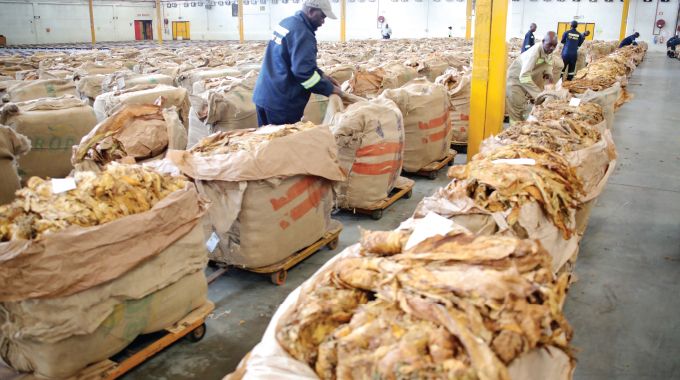
Fungai Lupande-Mashonaland Central Bureau
TOBACCO farmers have been urged to put about 30 percent of their land under complementary enterprises as the industry pushes growers to build more resilient, year-round commercial businesses ahead of the 2026-27 agricultural season.
The Tobacco Industry and Marketing Board (TIMB) said diversification should become a deliberate business strategy rather than an afterthought, particularly as Zimbabwe faces the prospect of below-normal rainfall and increasingly volatile global commodity markets.
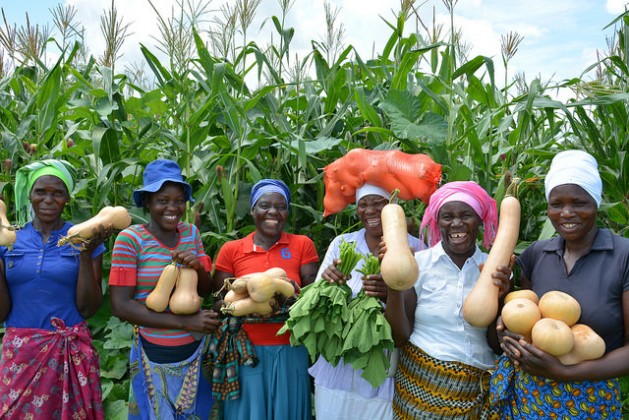
Under the proposed phased approach, tobacco would remain the anchor enterprise while farmers test profitable alternatives such as horticulture, livestock and food crops.
“Farmers should maintain tobacco as their anchor enterprise while dedicating approximately 30 percent of available land to testing profitable complementary enterprises,” TIMB said in a statement yesterday.
The Board said growers should secure markets before planting and keep separate financial records for each enterprise to determine which activities deliver the strongest returns.
The call comes as the 2026/27 tobacco season gathers momentum, with seedbed establishment having started on June 1.
TIMB said farmers should also take advantage of existing tobacco infrastructure, including irrigation equipment, curing barns, tractors and skilled labour, to generate income outside the tobacco production cycle.
“Irrigation systems can also be used to produce winter wheat, potatoes, seed maize or vegetables,” the Board said.
Curing barns, it added, could be repurposed to dry paprika, chillies and herbal products.
TIMB said tobacco growers were already well positioned to enter high-value export markets because of their experience in producing crops that meet stringent international standards.
Potential enterprises include blueberries, macadamia nuts, avocados, citrus, paprika, chillies, herbs and other speciality horticultural crops.
The Board is offering food safety compliance consultancy services to help farmers meet requirements under standards including GLOBALG.A.P., GRASP, SMETA, HACCP Level 4 and BRCGS.
According to TIMB, certification can improve market access and buyer confidence while allowing farmers to compete in premium export markets.
The diversification drive also comes against the backdrop of Zimbabwe’s expected El Niño-related climate challenges.
The Meteorological Services Department has indicated the likelihood of below-normal rainfall during the 2026/27 season, increasing the importance of farming systems that can withstand weather shocks.
TIMB said diversification could help farmers spread production risk, with income from livestock, horticulture, grains or other enterprises cushioning businesses when tobacco production or prices are affected.
The strategy could also help address household food security.
“By integrating food crops with tobacco production, farming families improve household nutrition while reducing dependence on purchased food,” TIMB said.
The Board recently supplied orange-fleshed sweet potato vines to Stow-Muhacha Cooperative to establish one hectare under irrigation, benefiting 28 small-scale farmers.
Similar vine multiplication programmes have been established in Matabeleland North and Matabeleland South.
TIMB said the initiatives were part of the Tobacco Value Chain Transformation Plan 2, which seeks to promote sustainable tobacco production, improve grower livelihoods and strengthen household resilience.
The Board said diversification was particularly important because tobacco ties up working capital for long periods, with farmers sometimes investing for up to nine months before receiving returns from sales.
Meanwhile, the 2026 tobacco marketing season recorded 353,813,565 kilogrammes sold for US$882,492,252 as of July 17.
Auction floors closed on July 31, while mop-up sales were scheduled for August 5 and 6. Contract sales were to continue until individual contractors completed receiving tobacco from their growers.
TIMB said the next phase for growers should therefore be about building farms that generate income throughout the year rather than relying on a single crop.
The board said diversification should be viewed as “a strategic investment in the future of every tobacco farming business”.