Online Reporter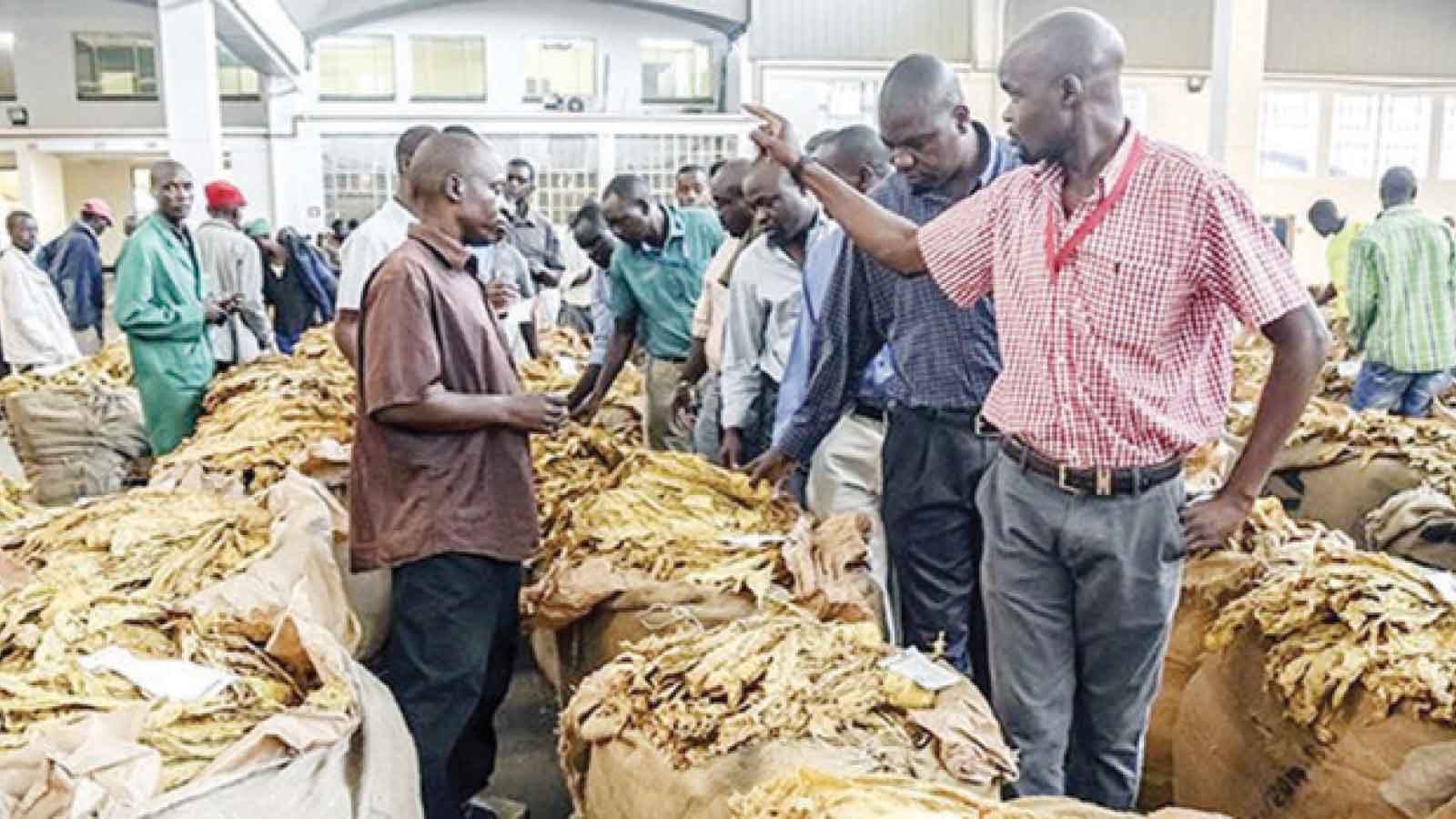
Agriculture News Editor
AS the countdown to the opening of the 2026 tobacco marketing season on March 4 begins, while the central bank is preparing its 2026 Monetary Policy Statement, farmers have called for a re-evaluation of foreign currency retention policies to ensure their businesses remain viable.
Growers argue that last season’s payment structure, comprising 70 percent in foreign currency and 30 percent in the local currency (ZiG), diminished their profits.
Zimbabwe Tobacco Growers Association chairperson, Mr George Seremwe, confirmed that, while growers are prepared for the selling season, they expected a policy shift.
“Farmers are quite prepared. However, they are expecting the authorities to review the foreign currency retention, which is currently at 70 percent foreign currency and 30 percent ZiG,” he said.
“We are willing to support Government programmes, but all our production costs are pegged in foreign currency. The situation might improve if the mid-rate is increased.”
Growers complained that when purchasing inputs, retailers quote prices in foreign currency.
When the option to use ZiG is available, retailers often apply inflated exchange rates, which drives up production costs and erodes profit margins.
Tobacco Farmers Union Trust (TFUT) president, Mr Edward Dune, said farmers were not receiving the true value of the 30 percent payment made in the local currency.
“The situation could improve if this ratio was applied throughout the entire value chain. We are buying fertilisers at 100 percent foreign currency,” he said.
“The 30 percent is effectively eroded by market exchange rates. The 70:30 ratio should also be applied to all costs of production so that we do not incur such heavy losses.”
Mr Dune noted that most farmers with irrigated crops have finished reaping and curing, while others are concentrating on their final harvests.
“The quality of the irrigated crop is good. Only the rain-fed crop was affected by false ripening. In future, we must invest more in irrigation,” he said.
The Tobacco Industry and Marketing Board (TIMB) announced on Thursday that this year’s marketing season will open on March 4 for auction sales, while contract sales will commence the following day.
The official opening will coincide with the launch of the Tobacco Value Chain Transformation Plan 2 (TVCTP 2).
This plan prioritises local financing, aims to boost value addition and seeks to increase annual production to 500 million kilogrammes by 2030.
This season, more than 400 million kilogrammes of tobacco are expected to be sold. Last season, farmers sold 355 million kilogrammes worth US$1,2 billion.
Farmer organisations have warned against “unscrupulous buyers” who take advantage of desperate growers by offering unviable prices at the farmgate.
Zimbabwe National Farmers Union president, Mrs Monica Chinamasa, advised farmers to use official auction floors to secure better prices. “We also urge contractors to decentralise floors and bring them closer to farmers to reduce transport costs,” she said.
TIMB public affairs officer, Mrs Chelesani Tsarwe, stressed the board’s readiness, noting that 48 contractors and 46 Class A buyers have been licensed.
“We have implemented strong monitoring tools for contract schemes and will ensure strict adherence to payment timelines,” she said. Three licensed auction floors will operate this season: Tobacco Sales Floor (TSF), Premier Tobacco Auction Floors (PTAF) and Ethical Sales Floor.
Crop outlook for 2026
The outlook for 2026 remains positive, supported by a 15 percent increase in hectarage.
TIMB statistics show that 113 327 farmers have registered as growers, with 164 536 hectares (ha) planted — up from 143 025ha last year.
As Africa’s leading tobacco producer, Zimbabwe expects the 2026 season to reinforce its status as a global leader in flue-cured tobacco production.