Theseus Mauruki Shambare in VICTORIA FALLS
TOBACCO-PRODUCING countries in Southern and Eastern Africa are strengthening regional cooperation through the Tobacco Five (T5) Alliance to address mounting threats to the industry, including climate change, market volatility, rising production costs and environmental degradation.

The alliance brings together Zimbabwe, Malawi, Zambia, Tanzania and Mozambique, with a focus on sharing research, coordinating strategies and promoting sustainable tobacco production amid changing market and regulatory conditions.
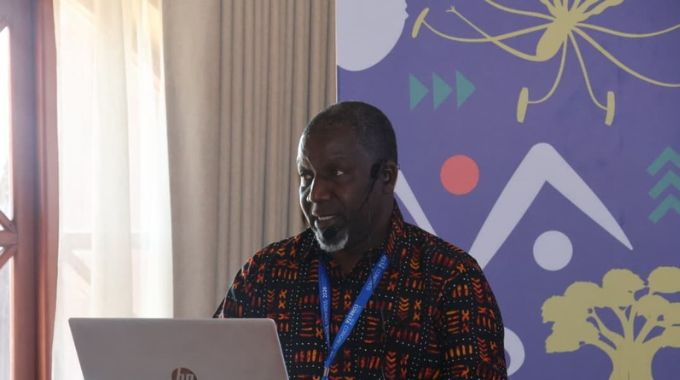
Speaking during the ongoing 70th CORESTA Congress in Victoria Falls, Malawi Agricultural Research and Extension Trust (ARET) chief executive officer Dr Albert Changaya said the countries faced largely similar challenges that required collective solutions.
“Recognising that we are facing almost similar challenges, these countries came together and formed an alliance which we call the Tobacco Five Alliance, or simply T5.
“The whole aim is to work together to protect the region’s tobacco industry from the ever-changing tobacco production landscape and regulatory frameworks,” he said
Dr Changaya said the region’s tobacco farmers were increasingly exposed to volatile prices caused by demand-and-supply imbalances, with smallholder growers particularly vulnerable because of their dependence on production loans.
“When the pricing goes down, they get affected so much,” he said, adding that rising input and labour costs, climate-related production shocks and compliance requirements were further increasing pressure on growers.
He said climate change, pests and diseases, soil erosion and deforestation were also threatening productivity and the long-term sustainability of tobacco production.
The T5 alliance holds periodic engagements to exchange information on sustainable farming, market developments and regulatory issues, including those arising from the World Health Organisation Framework Convention on Tobacco Control.
Dr Changaya said collaboration with organisations such as the International Tobacco Growers’ Association and CORESTA was also helping strengthen networks among growers and ensure their interests were considered in policy discussions.
Regional research institutions, he said, were developing solutions ranging from disease-resistant and nutrient-efficient tobacco varieties to water-saving seedling technologies and improved curing systems.
“We need technologies with inbuilt adaptation to the local environment and greater stability under variable climatic conditions,” he said.
Among the innovations highlighted were seedling production systems capable of saving between 40 and 75 percent of water, depending on the technology, as well as tobacco-stalk briquettes and pellets that can reduce reliance on firewood during curing.
Changaya said the region also needed stronger regulatory coordination to address illegal tobacco production and cross-border trade, which undermine production estimates and industry oversight.
He cited Malawi’s Know Your Grower initiative, which seeks to improve the national grower database and track tobacco from production to the market.
He said regional cooperation, supported by locally responsive research and innovation, was essential to building a more competitive and sustainable tobacco industry.