
Online Reporter
Nyore Madzianike-Senior Reporter
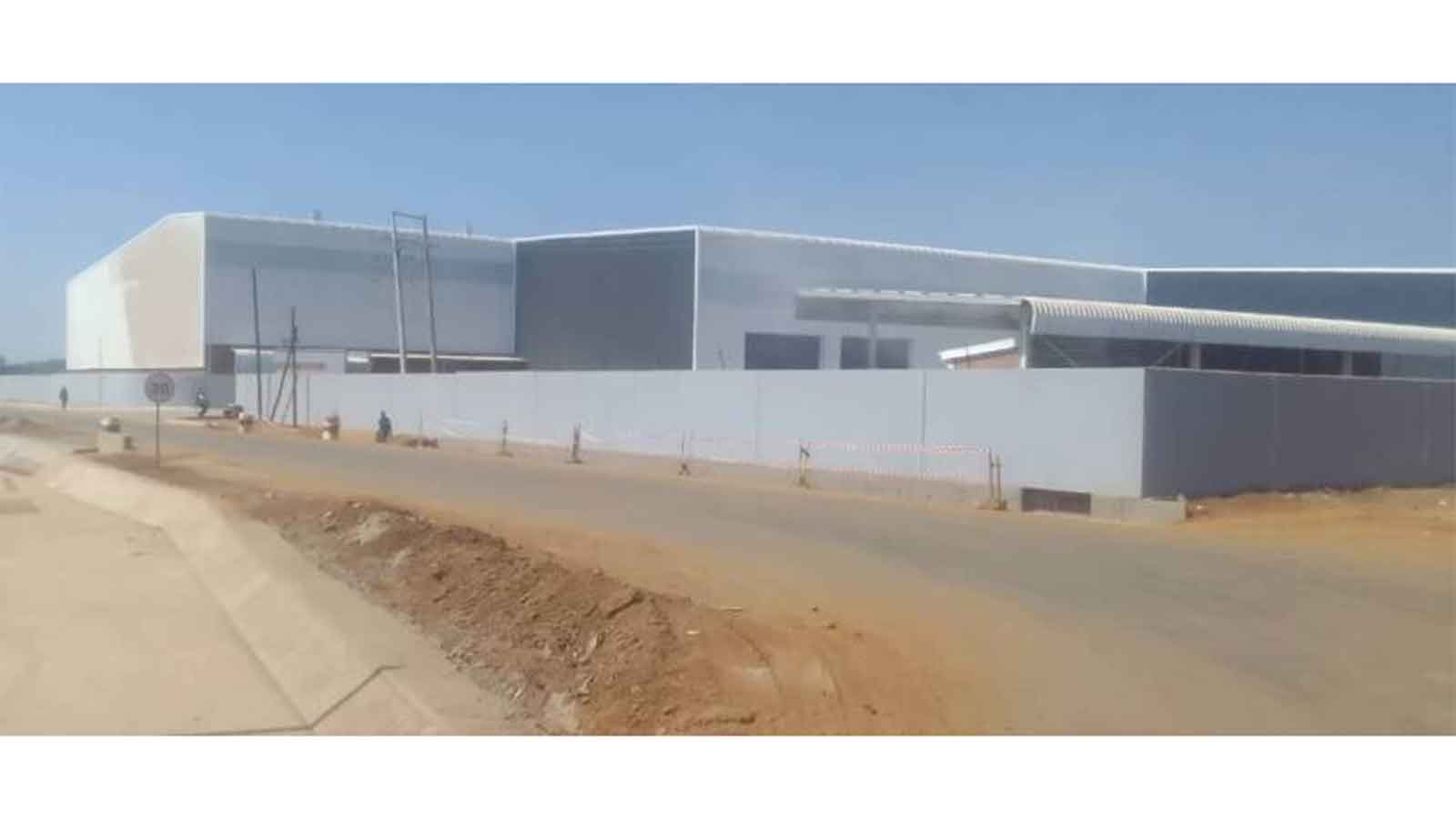
A MULTI-MILLION-DOLLAR cigarettes processing plant, Cut Rag Processing located in the industrial area of Lochinvar in Harare, is complete and due for official commissioning tomorrow.
This marks a major milestone for Zimbabwe’s tobacco value-addition and beneficiation drive and positions the country as a leading player in regional tobacco processing.
The state-of-the-art US$120 million facility owned by businessman, Mr Simon Rudland and described by industry authorities as one of the largest cut rag processing plants in the Southern African region, is expected to increase the country’s cigarette manufacturing capacity and boost tobacco export earnings.
The plant forms part of ongoing efforts to deepen local beneficiation, retain more value from Zimbabwe’s top agricultural export and expand industrial activity in line with the national economic transformation agenda.
The President was recently on record saying his Government will inject nearly US$2 billion into the tobacco sector through the Productivity Booster Kit Programme, which will also benefit small-scale farmers.
“My Government plans to allocate US$1.98 billion over 10 years as a loan for the Productivity Booster Kit Programme.
“Additionally, five banks have committed to providing additional working capital.
“The Productivity Booster Kits will also be made available to smallholder tobacco farmers, to localise the procurement of farming equipment and other aspects of the tobacco value chain,” said President Mnangagwa.
The plant is anticipated to make an impact on domestic employment, supply chain expansion and competitiveness on global markets.
It is also projected to open new opportunities for small – and large-scale growers while strengthening Zimbabwe’s standing as one of the world’s foremost tobacco producers.
It’s processing capacity will place Zimbabwe in a stronger position to meet rising demand for high-grade cut rag across Africa, Asia and the Middle East.
As at the end of July 2025, farmers had sold over 350 million kg of tobacco, earning about US$1,167 billion.
During the recently held Zimpapers Tobacco Conference in Harare, Mr Tapiwa Chimedza, representing TIMB, said the industry’s performance in processing tobacco into cigarettes remains below capacity.
He said despite targeting 30 percent local value addition by 2025, in line with the National Development Strategy 1 (NDS1), the current value addition stands at 10.5 percent, up from 8.8 percent in 2023.
“Cut rag processors have a capacity of 30,4 million kg, but are only processing 7,3 million kg. Nine cigarette manufacturers are capable of producing 17 billion sticks annually, yet are only producing 4 billion sticks,” he said.
The project also aligns with a broader industrial footprint that includes major private sector players such as Mr Rudland, who is the brains behind the multi-million dollar tobacco processing plant.
Mr Rudland’s extensive regional business portfolio has been influential in shaping manufacturing, agriculture value chains and transport logistics.
His journey is a tale starting from modest beginnings to becoming one of the most influential business figures in Southern Africa wheeled by determination, resilience, and an unwavering belief in African enterprise.
Over the past three decades, Mr Rudland has built and led a diverse portfolio of companies spanning manufacturing, agriculture, finance, logistics and mining — businesses that today employ more than 10 000 people across the region.
Mr Rudland is widely recognised as a driving force in Zimbabwe’s logistics sector, where he established one of the country’s most efficient and far-reaching transport networks.
His entrepreneurial impact extends to cigarette manufacturing, where his group has grown into one of the leading producers on the African continent.
Beyond Zimbabwe, his footprint includes significant agricultural and mining interests in the Democratic Republic of Congo, banking and commercial ventures, and strategic investments across multiple African markets.