Online Reporter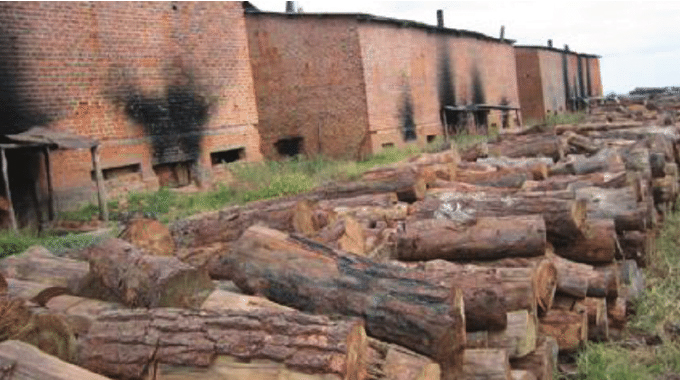
Elita Chikwati, Agriculture News Editor
ZIMBABWE’S tobacco industry has made strides towards embracing sustainable curing methods such as the use of liquefied petroleum gas (LPG) while also exploring the potential of biogas.
The Tobacco Industry and Marketing Board (TIMB) said the use of liquefied petroleum gas (LPG) and biogas could redefine the future of tobacco curing in Zimbabwe.
“Derived from the anaerobic digestion of organic materials like agricultural waste, biogas presents a renewable, locally available and environmentally friendly energy solution.
“Current initiatives are focused on testing the feasibility of using biogas for tobacco curing. The objective is to match or exceed the efficiency of LPG while minimising environmental impact and enhancing energy self-sufficiency,” said TIMB.
If successful, experts say biogas not only reduces operational costs but also empowers farmers with on-site, renewable resources, creating a model for sustainable agriculture.
“Building on the encouraging results from gas (LPG) curing trials and the ongoing work in the biogas sector, the next phase involves scaling up sustainable models and addressing any challenges encountered.
“This requires continued investment in research and development, the establishment of pilot projects for biogas, the optimisation of fuel efficiency based on data like ‘gas used per kg of dry leaf’ the development of appropriate infrastructure and the implementation of supportive policies to encourage wider adoption across the tobacco industry,” said TIMB.
Tobacco production has been on the increase, which has put pressure on the environment.
Stakeholders in the industry have, however, been trying to promote sustainable production of the crop.
From reducing deforestation to improving energy efficiency, the sector is embracing transformative practices aimed at securing a more sustainable future.
Meanwhile, tobacco sales have raked in US$1,1 billion with significant volumes continuing to come from the commercial sector.
According to the TIMB update, by Day 92, farmers had sold 334 million kilogrammes valued at US$1,150 billion, representing a 51,9 percent increase.
During the same period last year, farmers had sold 227 million kg worth US$ 779,5 million at an average price of US$3,43 per kg.
Zimbabwe Tobacco Growers Association (ZTGA) president, Mr George Seremwe, said the volumes were expected to surpass 350 million kilogrammes this season.
“Sales have continued, although daily deliveries have slightly declined. Most communal farmers have sold their crop, but more tobacco is still coming from the commercial sector,” he said.
Tobacco has become the crop of choice for most farmers, with many recording huge profits.
A number of farmers have graduated from subsistence to commercial producers and have since perfected tobacco production.
TIMB is encouraging contractors and stakeholders to explore and invest in new regions for tobacco production, in line with efforts to promote national economic balance and achieve sustainable growth in the industry.
By tapping into underutilised land and human resources in regions like Matabeleland South, Zimbabwe is laying the groundwork for long-term growth, innovation and inclusive prosperity.