Chronicle Editor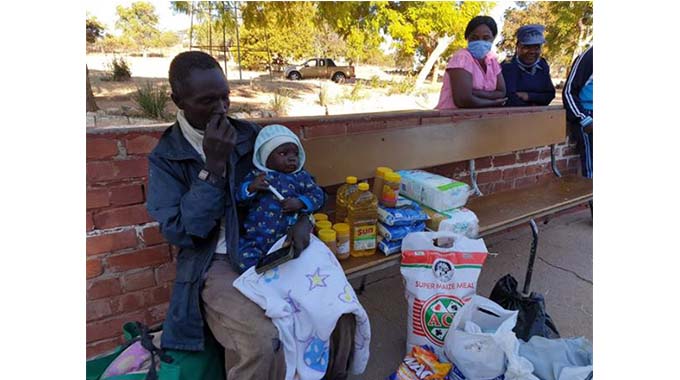
Bongani Ndlovu, Showbiz Correspondent
FOR the past few weeks, the social media has been refreshing as stories of how the medium can or is being used for social change, have been emerging.
The Covid-19 global pandemic has brought most of the world on social media platforms — Facebook, Twitter, Instagram and WhatsApp as these are now the common ways of communicating and keeping abreast with what is happening locally and globally.
Social media has over the years been notorious for negative things such as circulating nudes and destroying marriages through gossip and falsehoods.
The situation has dramatically changed during the lockdown as many people have discovered that the social media in fact is a vital tool for disseminating useful information. Just last week, through Twitter, Facebook and WhatsApp, people learnt of 10-month-old baby Luvuyo who is being raised by his father after the mother died just after giving birth at their home in Figtree, Matabeleland South province.
Luvuyo’s father, Phumuza Gumede took over his care and the 10-month-old baby became an overnight sensation after Phumuza was pictured pushing Luvuyo in a wheelbarrow while doing menial errands.
He received support from around the world after his pictures, accompanied by his story, circulated on Twitter, Facebook and WhatsApp.
By Thursday evening, Phumuza, without asking anyone for help, had received about $47 000 on EcoCash from scores of caring members of the public with some buying groceries for the family. Luvuyo also got a donor who pledged to sponsor his education from primary school to university through Qoki Ndlovukazi Community Group, an organisation run by Zimbabwean women living abroad. The organisation is also going to help Gumede build a house for himself and his sons.
Such is the power of social media.

Another story that touched people is that of young Zoolian Karendo from Chikonohono suburb in Chinhoyi who was captured complaining that he was tired of eating sweet potatoes (imbambayila) and instead wanted bread. The video did rounds on social media and caught the attention of bakeries such as Proton who in no time, located the three-year-old Zoolian and supplied him with the bread he was yearning for.
As if that was not enough, more and more companies started falling over each other to help his family. Dairibord offered to complement his meals of bread with milk for a perfect breakfast with Chimombe. Roil Cooking Oil offered him a hamper of cooking oil.
The third story is that of Nkayi’s Clopas Sikhosana, a maskandi musician who trended online after a video of him singing about his molars grinding on uncooked maize kernels in order to abate hunger that has befallen villagers in Zimbabwe during the lockdown.
Someone recorded him singing and strumming his guitar clothed in dirty, old clothes. Although the song was comical; its message was so true as it showed the dire situation in the rural areas. In no time, the video was trending and people travelled to Nkayi to search for him to offer him assistance to develop his music career.
Musician Madlela Skhobokhobo who led the search party, after locating Sikhosana, brought him to Bulawayo where he recorded his debut album free of charge. To top it all off, boutique Onpoint gave him a suit and shoes while fellow artistes Jeys Marabini and Sandra Ndebele bought him an assortment of groceries. Veins Media did a photoshoot for him with StickyZw providing an album cover. Dingani Bookshop, Asakheni Community and many other individuals across the globe also donated money to Sikhosana.
When he returned to Nkayi, the community there, led by one Bigboy, also gave him an assortment of goods.
These are some of the stories that show how social media can be used to effect social change within communities. It’s all about getting a story that can touch people and they act. — @bonganinkunzi



 Online Reporter