Sundaymail Editor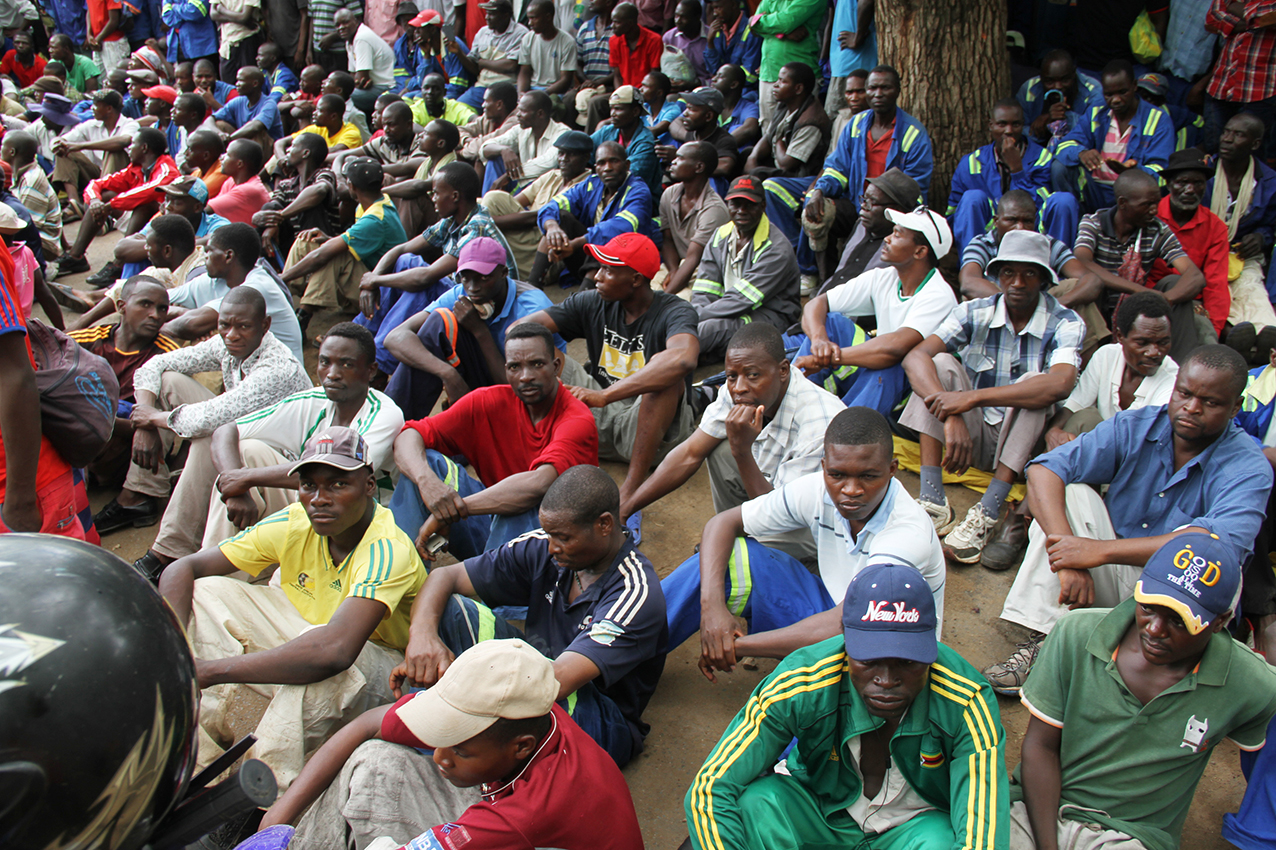
Africa Moyo
Major sugar producer Tongaat Hulett Zimbabwe (THZ) has assured the market of normal sugar supplies through the festive season and beyond as employees of the Chiredzi-based company returned to work last week after being awarded a 5,88 percent salary increment.
The employees embarked on a 21-day job action demanding salaries at par with their counterparts in Mozambique, Swaziland and South Africa, who they said earned an average US$350 monthly.
The industrial action resulted in sugar shortages on the local market, with shoppers panic-buying the commodity in recent days.
THZ reduced weekly sugar supplies to retailers to almost 9 000 tonnes between November 30 and December 17, 2015 against demand of 12 000 tonnes.
Corporate affairs and communications manager Ms Adelaide Chikunguru told The Sunday Mail Bus—iness that the company struck an agreement with employees to return to work.
She said THZ had agreed to award the lowest paid worker US$284, including benefits such as free accommodation, electricity, water, and heavily subsidised health and education.
Ms Chikunguru said, “The news of the strike had naturally disturbed the market with most traders and consumers fearing that it would trigger a shortage of sugar in the country given that THZ is the most dominant player in the industry.
“The company, however, had made some alternative arrangements to supply the market despite the strike.”
She said the company had engaged employees to package and distribute sugar on 24-hour shifts for the duration of the festive season to ensure product availability.
However, employees are understood to want a further salary hike and could boycott work if they do not get the money.
This has prompted marathon meetings between the employer and employees.
Zimbabwe Sugar Milling Industry Workers Union secretary-general Mr Tendeukai Chinooneka could not be reached for his perspective last week.
Tongaat shells out US$135 million annually on salaries and wages for its 18 000 employees, marketing and distribution costs. Management sources fear a further raise could spike prices of sugar, bread and beverages.
Beverages manufacturer Delta Corporation is said to have already lobbied suppliers of its raw materials — including THZ — to reduce the prices as it recently slashed beverage prices to stimulate demand.
It is also understood that some ethanol used to blend petrol is coming from THZ, and fears are that another salary increment could impact on the prices of paint, pharmaceuticals and fuel and transport.
Ms Chikunguru could not be drawn into revealing if the prices of sugar would rise in tandem with the salary increment.
“Salaries and wages are a significant component of production costs and any changes to this component would naturally reflect on pricing. It is however difficult to say at this stage what the impact of the outcome could be as negotiations between the workers union and THZ are still on-going,” she said.
Between September 2011 and 2015, Tongaat spent just over US$2,9 million on various projects aimed at ensuring food security, infrastructure development and education, among others.



 Online Reporter