Zimpapers Entertainment Hub
FIFTEEN years may sound like a long time to live with the loss of a loved one, but some wounds take longer to heal.
Memories come flooding back when we think of those who have departed, especially on the anniversaries of their deaths.
While the living must eventually learn to move on, the footprints left by those who touched millions of lives are difficult to erase.
Their legacies endure through their achievements, experiences, and the memories they leave behind.
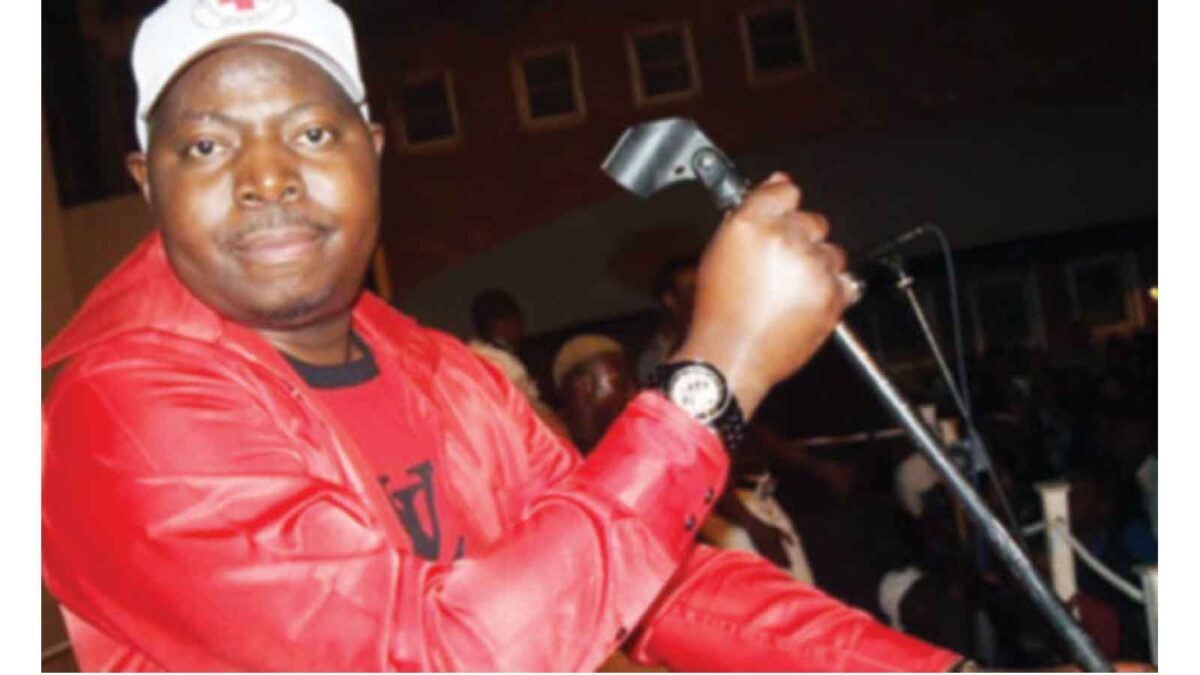
This is certainly the case with the late sungura maestro Tongai “Dhewa” Moyo, whose musical genius and exceptional guitar-strumming prowess were never buried with his remains.
Known by several monikers, including Mopao, Dhewa, Bvumavara, and Murozvi Mukuru, Moyo was a versatile musician whose music offered sungura lovers an alternative whenever they craved variety.
The Utakataka Express founder succumbed to non-Hodgkin lymphoma, a form of cancer, on October 15, 2011, after a prolonged battle with the disease. His death left a void in Zimbabwe’s music industry that has proved difficult to fill.
Today, 15 years after his departure, his music continues to resonate with fans, while his family, fellow musicians and music promoters reflect on the legacy of a man whose influence extended beyond the stage.
As the saying goes, time may heal wounds, but it cannot erase cherished memories. Rather than allowing grief to overwhelm them, those left behind can celebrate the seeds of creativity, artistry and resilience that Dhewa planted through his music.
For his eldest son, Peter Moyo, his father’s death marked a dramatic turning point in his life. Having established himself as a promising footballer at the now-defunct Premier Soccer League side Lancashire Steel, Peter had to trade his football boots for a guitar and take up the responsibility of leading his father’s musical outfit, Utakataka Express.
“I have always been a footballer growing up, and I ended up doing music by default. Or can I say I had to carry on my father’s legacy?” the new Utakataka Express heir said.
“My father did not want me to play music because I had already established myself as a footballer in Kwekwe, where I played for the now-defunct Lancashire Steel FC.
“I played alongside the likes of Dennis Dauda, who went on to feature for CAPS United, Black Rhinos, ZPC Kariba and other teams.
“I was not a bench warmer or a substitute, but a starter who was fulfilling his dream as a soccer player.
“I could have gone far and even played for the Warriors, Zimbabwe’s senior men’s national football team, because I was equally talented as a footballer.”
Peter, popularly known as Young Igwe, revealed that he eventually ventured into music with the support and guidance of his late father’s senior band members.
“I was taught every aspect of music by the likes of Willard Lot, Evidence “Baba Gari” Tarabuku, Gift “Shiga” Katulika and many other sympathisers.
“My first performance on stage was at the then Sports Diner in Harare, where I was introduced to a large crowd.
“It was a completely new experience, but we managed to keep the show going until the end.”
Unlike other newcomers who become timid when performing before large audiences, Peter had already been exposed to big and sometimes rowdy crowds during his days as a footballer.
“During soccer matches, I learnt how to handle pressure, and my father had always supported me from day one as a footballer,” he said.
Peter, who became the family’s breadwinner in his early 20s, said he had to step up and protect his family following his father’s death.
“Before my father’s death, he advised me to look after the children and ensure that they went to school.
“In our family, there are six children — three boys and three girls — and I assumed that responsibility after my father’s death.
“I am glad that courage has brought me this far, and I hope my father is smiling wherever he is today.”
He also said he remained unmoved when reports emerged that he was not getting along with his siblings, particularly Tongai Moyo Junior.
“A lot was said in the press, but I chose to remain silent because I wanted to fulfil my father’s wish of keeping the family united.
“I am glad that the boy has come back to his senses after being misled by outsiders, and we are now one happy family.
“I will never forsake them because they are my blood,” he declared.
Now that he has established himself as an artiste in his own right, Peter said he would always remember the criticism he faced from people who expected him to imitate his father.
“As we honour our father, I will always remember the harsh criticism I faced from people who wanted me to sound like him.
“The same people now understand my vision, and I am glad they have embraced me for who I am.”
Meanwhile, Dhewa’s close friend, Somandla “Mafia” Ndebele, said he sometimes broke down in tears whenever he remembered the moments they shared.
“I met him at Grammar Records, and we immediately clicked as musicians.
“He told me that he was my fan, and the feeling was mutual. He would visit my place anytime, and I would do the same.
“Sometimes, we would embark on road trips to places as far as Chivi, Masvingo or Gokwe, simply to refresh ourselves,” he recalled.
Ndebele urged the Moyo family to remain united.
“Like any other family, they might have their differences, but I am glad that they are now getting along.
“Tongai was a man of peace, and we will always cherish him for what he did throughout the years.
“Our friendship grew stronger after we recorded the album Moyo Wekurera, which became a huge hit,” he said.
Macheso’s camp said the music industry was poorer without Dhewa.
“A lot has been said about us being rivals, but it was the fans who created that perceived rivalry.
“Tongai and Macheso were good friends, and they would visit each other.
“We enjoyed sharing the stage with him at major events such as Chibuku Road to Fame, and everything went well.
“He was punctual, and we will always remember him,” said Macheso’s publicist, Tichaona Makahamadze.
Musically, Dhewa left behind a rich catalogue of albums that continues to resonate with fans.
His discography includes “Vimbo” (1996), “Vise”, “Naku” (1999), “Moyo Wekurera” (1999), “Chirangano” (2001), “”Samanyemba (2002), “Dhewa Hits” (2002), “Dhewa’s Love Songs” (2002), “Chingwa” (2003), “Pakanaka Dhewa” (2004), “Naye” (2005), “Mudzimu Weshiri” (2005), “Mano” (2006), “Pinda Panyanga” (2007), “Muridzi Wenyaya” (2008), “Dhewa’s Love Songs” 1997–2008 (2009) and “Toita Basa” (2010).