Online Reporter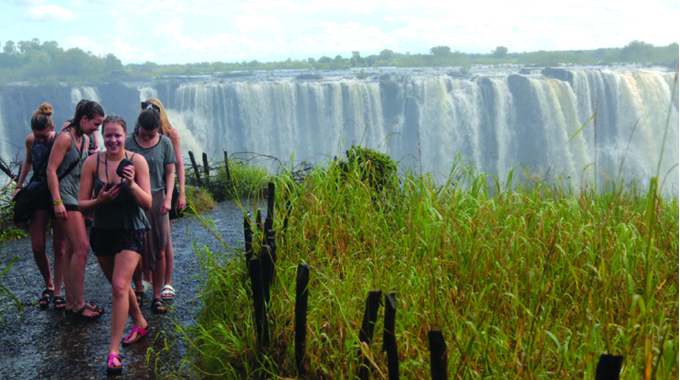
TOURISM is an obvious avenue for pushing Zimbabwe’s development in ways that not just raise the Gross Domestic Product, the annual income of the country as a whole, but spread the benefits of that rise in national wealth to include a lot of people.
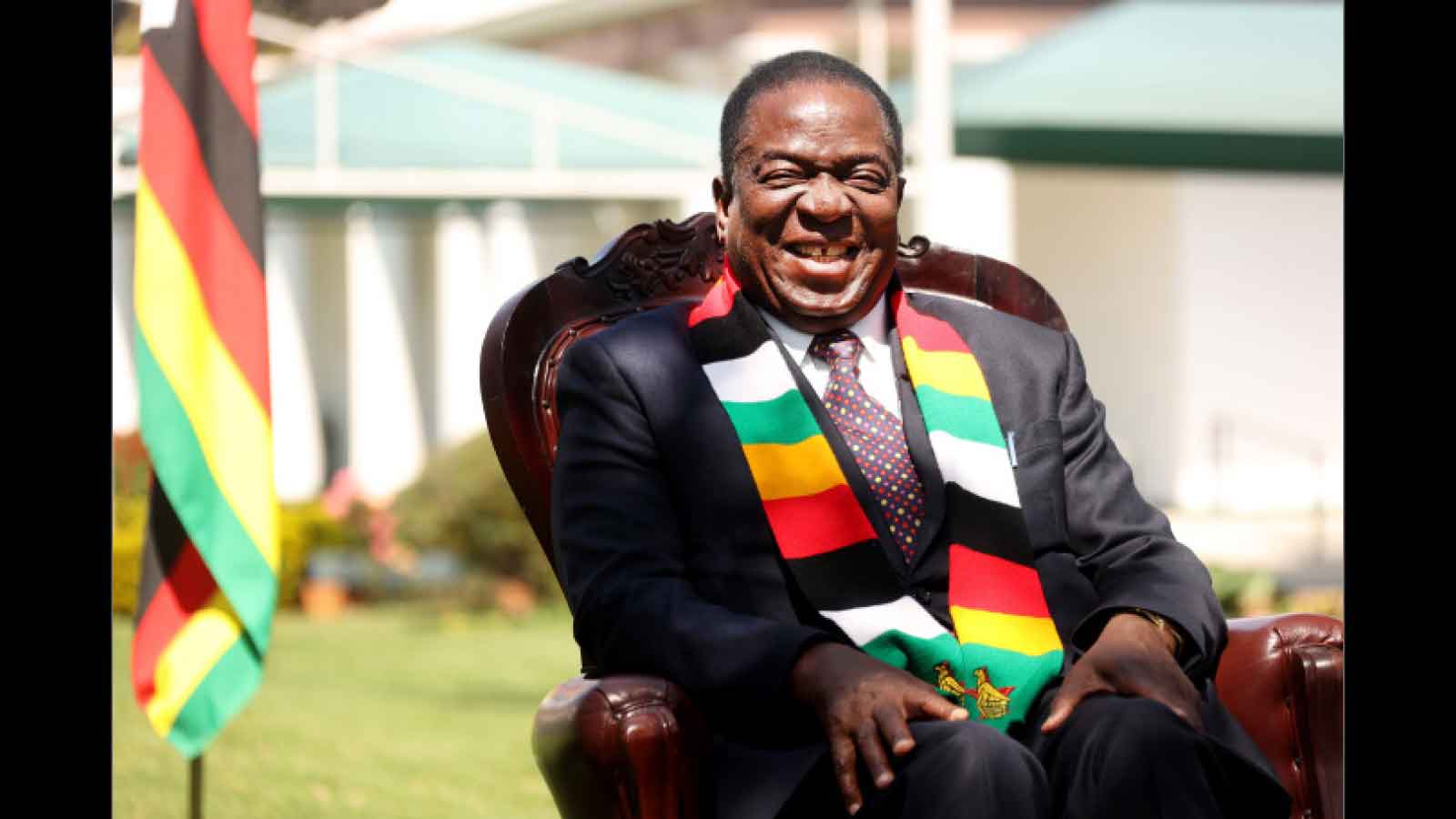
The new Tourism and Hospitality Industry policy launched by President Mnangagwa at State House in Harare on Monday brings together, in a very inclusive manner, the ways the sector can be expanded by different role players.
It also seeks to converge the needs of industry players, those who visit Zimbabwe, and locals who are more and more travelling around their own country.
Fairly obviously, while tourism is very largely an industry dominated by the private sector, much of its success has to be built on the basic infrastructure provided for all sectors by the Government.
This is why the upgrade of all major airports, and serious work being done on the smaller internal aerodromes such as the one serving Mutare and the Eastern Highlands, are a critical Government input. While the rest of the business sectors need these air services, the tourism and hospitality industry relies on having their international clients being able to fly in and out without any fuss and bother.
The same goes for the upgrades of the major highways and other roads, and the decision to mirror the work already done on the Beitbridge border post at other ports of entry and exit. Everyone, including industrialists and the transport industry wins with these, but again tourism really relies on them, especially as we move to not just increasing the number of visitors, but getting the average visitor to spend longer in the country and look around a bit more. They need to be able to move, or be moved, safely and easily from one resort to another, taking in attractions en route. In this regard, they need a good road for their car or luxury bus.
The Government, as part of its responsibilities, has been reasonably effective in keeping crime rates quite low. This is something the citizens really wanted and pushed for, but having a country where most people are not criminals and where most people are friendly to outsiders obviously benefits the tourism industry.
One major win from boosting tourism is the involvement of an ever greater number of Zimbabweans in the industry. Even the largest investments tend to be local, sometimes by companies listed on one of our stock exchanges, but there are many medium and small tourism investments by families and communities.
Family hotels and lodges, restaurants, especially those offering local experience, and other specialist services tend to spread the ownership, as do some of the community schemes already in existence or being implemented, which bring extra streams of income into farming communities.
And of course the tourism and hospitality industry is famously labour intensive, needing a lot of people to supply even the most basic of services tourists want. While a fair percentage of those jobs are fairly low key, such as chambermaids or waiters, they probably offer better incomes than selling trinkets on the pavement, and the industry does require a reasonable number of medium-skilled and higher-skilled people, opening doors to advancement to top chef or senior housekeeper or other more skilled work.
There are also other areas where special skills are needed.
A tourism guide who can speak half a dozen major languages will obviously never lack decent employment and we hope that more efforts will be made to help Zimbabweans in the industry to obtain at least a working knowledge of extra languages.
We also need to remember that other industries can win from a tourism boost. Someone has to make the sheets and blankets, for example, that the chambermaids use. Someone has to grow high quality vegetables or catch quality fish for the chefs. Visitors are an extra market when you think about it for other sectors and they can all win by having the right products that hotels and restaurants want.
Strong efforts have been made to save from oblivion the traditional recipes of Zimbabwean communities, and to create new dishes using the traditional foods and methods, and this should be part of any tourism upgrade. While there is a sort of ubiquitous global menu, many people when travelling like to at least sample local foods and as part of that process of bringing the best of the old into the new world, we can also add value to tourism.
We also need to build up domestic tourism. In the past many Zimbabweans only really travelled between their family homes and places of work. But they miss a lot since Zimbabwe is not a homogeneous country and there is so much to see.
We also have an increasing percentage of the urban population who might be down to second or third cousins in the traditional area marked on their identity cards, and who would like to see their roots. The same services will be needed by the descendants of many in the diaspora as well when they visit the “old country”. These are markets that have hardly been explored but will be growing.
The national policy is careful not to ignore the major tourism areas where so much of the industry is concentrated, but wants to expand into the rest of the country, bringing in more of the natural resources and also showing the diversity of Zimbabwe, both physical and social.
We need to remember that every tourist, international and domestic, is different and will have diverse needs and desires. The objective of those in our industry must be to meet those needs and desires, and thus keep the tourist involved for longer.