Online Reporter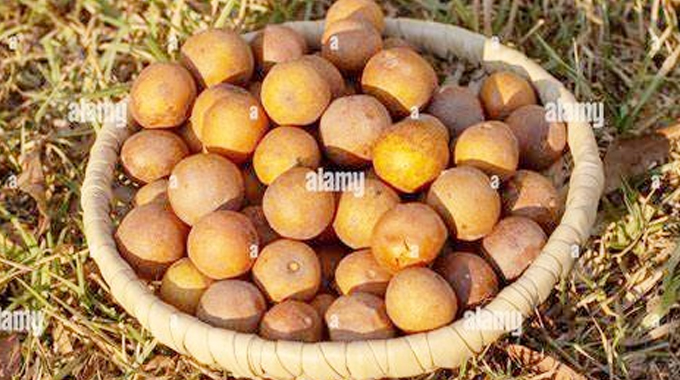
Sikhulekelani Moyo
TRADITIONAL fruits and vegetables have long been acknowledged as healthy options, providing the body with a wealth of nutrients that have stood the test of time. Elders consistently attest to their ability to bolster strength and maintain better health compared to the current generation.
Possessing distinctive characteristics, traditional fruits are wild bounties, gathered directly from nature, and transformed by elders into a variety of time-honoured dishes.
Similarly, traditional vegetables, some wild and others cultivated, are harvested and transformed into various culinary creations.

Experts say that past generations relied heavily on these traditional foods, resulting in stronger immune systems and greater resilience against diseases. This claim is supported by the contemporary surge in diseases such as cancer, diabetes, and hypertension, which were far less prevalent when traditional diets were the norm.
Research indicates that traditional fruits possess higher nutritional content than their exotic counterparts. Fruits like baobab, mazhanje, mnyii, umviyo, and umtshwankela, among others, have been staples for generations.
Similarly, vegetables such as blackjack (tsine), cats’ whiskers (ulude), and hybruds (imbuya) have been popular delicacies in Zimbabwe, offering significant health benefits compared to common alternatives like rape or lettuce.

A 60-year-old Bulawayo resident shared her personal experience, stating that she regained her normal life by transitioning to a diet rich in traditional foods and fruits, supplemented with herbal remedies, after being diagnosed with diabetes.

Phylista Ndlovu, from Waterford, has managed to eliminate the need for tablets and injections by incorporating herbal treatments, effectively managing her diabetes, which she had suffered from for over two years.
“I was diagnosed with diabetes in October 2019 and I’m someone who never liked taking tablets, especially when they are taken for life. So, I started taking metformin tablets and following their diet before my sister-in-law introduced me to herbal teas.
“I started taking herbal tea and the sugar levels normalised from 27 at times to seven. I then started decreasing my intake slowly. I went to South Africa in February 2020 and in March I stopped taking tablets. I got carried away and started eating what I was not supposed to eat and gradually the levels went up until one day it reached 31.

“I was admitted to hospital for two weeks then I was introduced to insulin, which was the worst thing I never imagined would happen to me. I got discharged, now taking 850mg of the drug. My eyesight was affected because I could not see clearly, let alone write or watch TV,” said Ndlovu.

Though advocating for herbal remedies as a means to longevity, particularly in light of modern diseases linked to processed foods, she acknowledges the importance of scientific evidence. The detoxifying and therapeutic benefits of traditional foods and herbs, while historically recognised, require validation through research institutes to maximise their national value.
In line with industrialisation and Heritage-Based Education 5.0, there’s a growing trend of value-addition to these fruits and vegetables, with locals producing juices, sweets, powders, and essential oils.
This has also driven increased collaboration between academics, industry, and the government, focusing on the medicinal potential of indigenous fruits, vegetables, and herbs.
Meanwhile, speaking at the 2025 Bulawayo Traditional Cook Out competition, Minister of Tourism and Hospitality Industry, Barbara Rwodzi, expressed her desire to see traditional dishes as daily offerings in restaurants, rather than occasional specials.

She said this must come to an end, advising those in catering businesses to serve traditional food every day and put foreign dishes on rosters.
“We now want to see notices saying ‘Asian food on Friday’, but our traditional food should be the daily dishes. Let’s be proud of ourselves and our food as Zimbabweans and as Africans,” said Minister Rwodzi.
Synonyms for “Mazhanje”