

 Online Reporter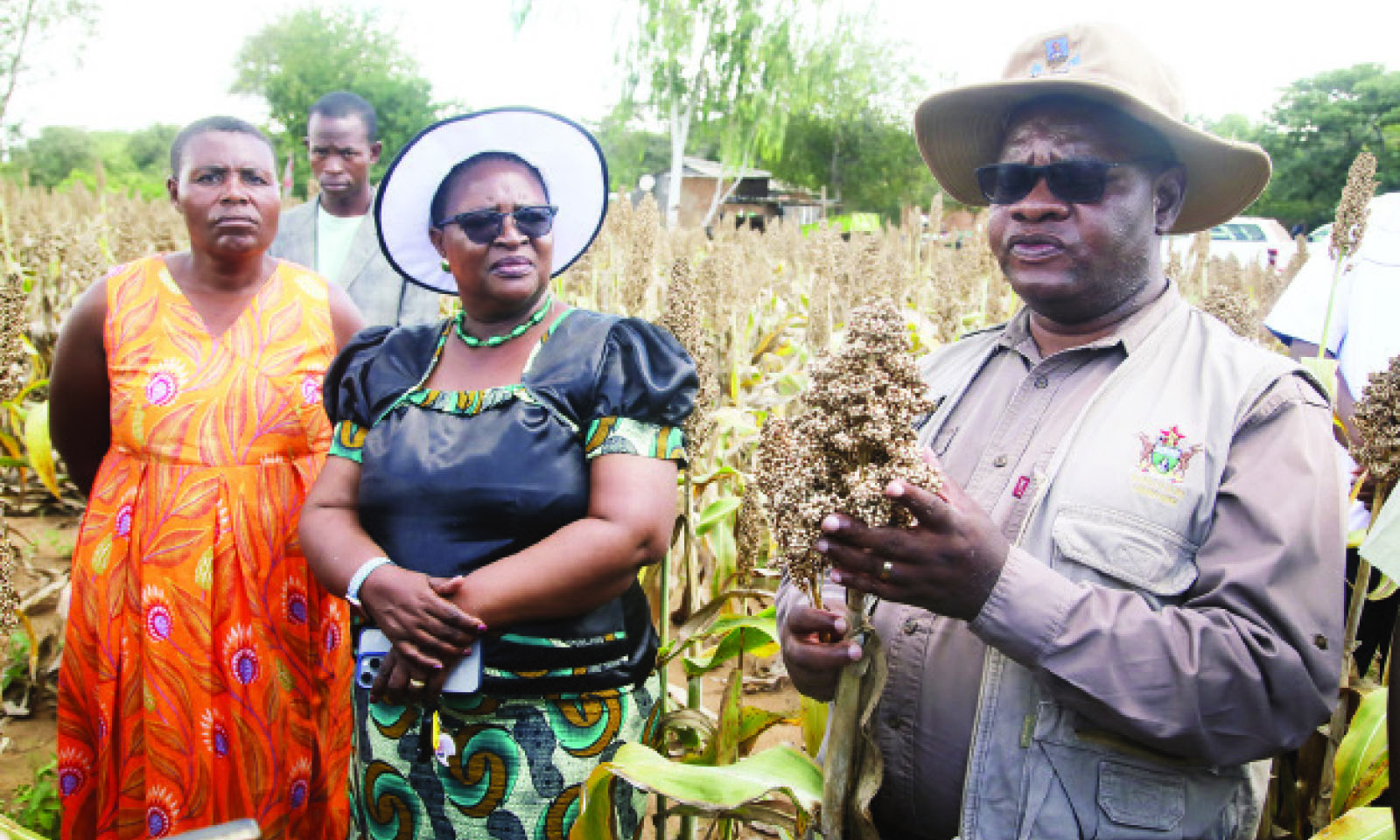
Felistas Tavarera
THE University of Zimbabwe’s research on traditional grains has produced promising results, with yields of up to 4 tonnes per hectare.
The research has shown that traditional grains can thrive in challenging climate conditions, making them a viable option for farmers in regions with reduced and erratic rainfall.
Speaking during a field day in Mutoko Ward 25 last week, the Permanent Secretary in the Ministry of Lands, Agriculture, Fisheries, Water and Rural Development, Professor Obert Jiri emphasised the importance of traditional grains for food security and sustainability.
“The research of VNS401 variety, which was conducted in collaboration with other stakeholders, aimed to identify and develop traditional grain varieties that can withstand the impacts of climate change. The study focused on regions 4, 5, 5a, and 5b, which are characterised by low rainfall and high temperatures,” he said.
The research has highlighted the importance of agro ecological matching where farmers grow crops that are suitable for their specific region.
“Traditional grains are a sustainable solution for farmers in these regions. These crops are more resilient to drought and other challenging climate conditions, making them an ideal option for farmers who are struggling to grow conventional crops,” he said.
“The University of Zimbabwe play a critical role in ensuring food security and promoting sustainable agriculture practices in Zimbabwe and research on traditional grains has shown that these crops can thrive in challenging climate conditions, providing a reliable source of food for farmers,” Prof Jiri said.
“By growing traditional grains, farmers can improve their resilience to climate change and variability, while also ensuring food security and have highlighted the importance of using commercially released varieties of traditional grains, rather than retained seed.”
“University of Zimbabwe’s research on traditional grains has yielded promising results, with significant implications for farmers and the agricultural sector as a whole.”
As the country continues to face challenges related to climate change and food security, the promotion of traditional grains can play a critical role in ensuring sustainable agriculture practices and improving the livelihoods of farmers.



