Online Reporter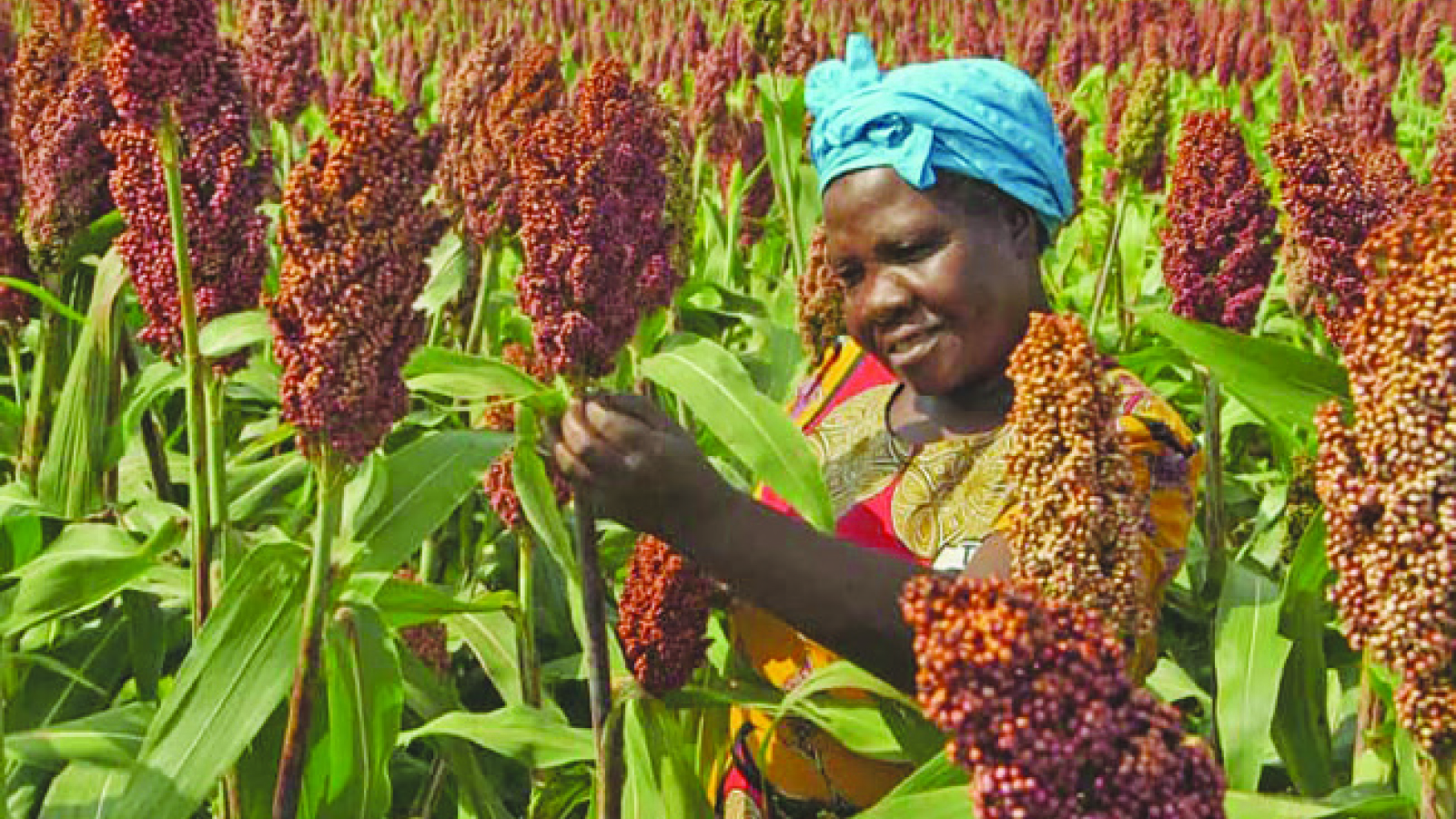
Elita Chikwati
Agriculture News Editor
TRADITIONAL grain production (sorghum and millets) is forecast to increase from 634 650 tonnes to 797 000 tonnes by 2030 with the value of the crops reaching US$318,8 million by the same period.
Traditional grains play an increasingly pivotal role in national food security, especially because of their higher nutritive value compared to maize.
The crops have also been popular for being tolerant to drought.
According to the Agriculture, Food Systems and Rural Transformation Strategy (AFSRTS) 2, traditional grains are the second most consumed cereals after maize.
“The traditional grain production is projected to increase from 634 650 tonnes in 2026 to 797 000 tonnes by 2030. The gross value will increase from US$212 million to US$318 million by 2030.
“The traditional grain value chain contribution at inception of AFSRTS 2 will be 1,6 percent of total Agriculture Gross Value in 2025/26 and 2 percent in 2030/31 season,” the Ministry of Lands, Agriculture, Fisheries, Water and Rural Development revealed in the AFSRTS 2 document.
Traditional grains have been known to provide high value nutrients in the form of iron, zinc, calcium and fibre compared to maize.
In the face of climate change, they are drought-tolerant and present an opportunity to cushion farmers during drought periods.
“With Government policy on agro-ecological tailoring of crops, traditional grains have become important summer crops alongside maize.
The document, however, highlighted that the wider adoption of traditional grains was hampered by the use of open pollinated varieties, and labour-intensive production, harvesting and post-harvest processing, and the bird menace for pearl millet and sorghum during harvest.
“The wider adoption of hybrid varieties, increased adherence to agro-ecological tailoring, promoting use of bird-repellent varieties, and adoption of mechanical harvesting and mechanical processing will endear traditional grains to more people, including the youth.
The document proposed that there be adoption of grain threshing technologies suitable for small-scale farmers.
“Community-based seed production and distribution systems should be promoted. The policy by Government for the Grain Marketing Board to swap traditional grains for maize is laudable.
“The investigation of the wider use of traditional grains should continue. There are opportunities for the development of food products made from sorghum and millets, such as soft and stiff porridges, composite flours, traditional and industrial brewing, rice sorghum, snacks (popped sorghum).
“Traditional grains should also be used to make stover, used for conservation agriculture as mulch and used in commercial stock feed manufacturing as a substitute for maize,” read the AFSRTS 2 document.
To achieve the growth in production, the Ministry said there was need to ensure funding was available, accessible and sustainable.
There is also need to boost irrigation both at household and national levels.