Online Reporter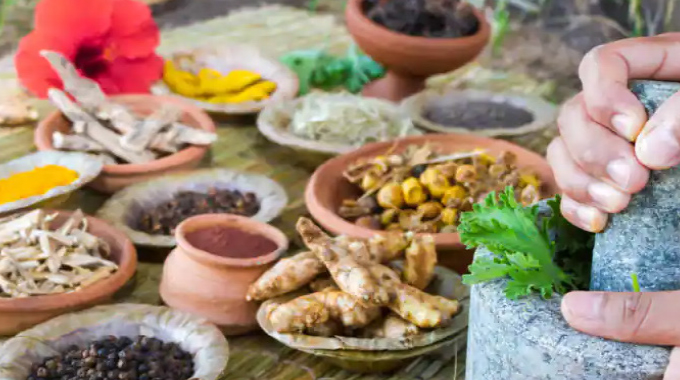
Brenda Rumutsa, [email protected],
IN many communities across Zimbabwe, traditional practices relating to reproductive and sexual health continue to play a meaningful and established role in people’s lives. These practices have been passed down through generations, in family lines to elders and traditional healers.
Among the most commonly observed are the use of herbal preparations by women for vaginal tightening and by men for organ enlargement or assistance to curb erectile dysfunction. These customs, far from being new or trendy, are long-standing and reflective of deeply held beliefs about femininity, masculinity, and overall well-being in intimate relationships.
Over the years, these remedies have gained popularity not only for their cultural relevance, but also for the perception that they are natural and therefore safe.
However, with people now self-administering these herbal remedies, health professionals encourage members of the public to exercise greater caution and seek accurate information, particularly when applying such preparations internally or externally on sensitive areas of the body.
A number of herbs are commonly used for these purposes. For women, vaginal tightening preparations often include local plants such as Brachystegia boehmii (Mupfuti) and Brachystegia spiciformis (Musasa).
These are typically boiled into decoctions and used in the form of steams, washes, or compresses. These preparations are sometimes part of pre-marital grooming or post-birth care, but may also be used independently as part of personal hygiene routines.
For men, various roots, barks, and tree saps — for example, from Kigelia Africana (Mumvee), commonly referred to as the “sausage tree”, and Adensonia digitata (Muuyu) are used either as topical applications or oral mixtures. These are believed to enhance physical confidence, aid in sexual performance, or stimulate organ growth.
Some of these herbal products are now being acquired through informal channels. They are typically sold at local markets, at roadside vending stalls, near bus termini, or even behind public toilets. Vendors rely heavily on word-of-mouth promotion and community trust, with most of the products sold without any formal packaging, labelling, or instructions for use.
In such unregulated settings, it becomes increasingly difficult for users to verify the quality, purity, or safety of the herbs they are applying to their bodies as well as receiving accurate information on dosage (posology), preparation methods, contraindications, or potential side effects.
While some users report immediate or short-term effects such as a sensation of firmness or increased confidence, health professionals caution that repeated or excessive use of such unregulated and sometimes highly astringent substances may result in negative outcomes.
Among women, altering the natural pH balance or disrupting the vaginal flora through the use of strong herbal infusions can result in bacterial vaginosis, yeast infections, or cervical irritation.
These effects may initially be mild, but over time, if not properly addressed, they may lead to more serious reproductive health challenges, including chronic infections and inflammation that could interfere with fertility or overall vaginal health.
For men, the risks associated with herbal remedies for organ enlargement or erectile challenges are also a cause for concern. Some of these substances, particularly when applied topically in concentrated forms, can lead to skin irritation, painful ulcers, or even the development of fibrotic tissue. Fibrosis — the hardening and thickening of tissues — can interfere with normal organ function and may be irreversible in some cases.
Moreover, erectile dysfunction, which many seek to address using traditional preparations, is often a symptom of other underlying health issues such as stress, cardiovascular problems, diabetes, or side effects from medication.
Using herbal substances without understanding the root cause of the dysfunction may delay appropriate treatment or worsen the condition over time.
Another important consideration is that although these remedies are marketed as “natural,” this does not necessarily guarantee their safety. Not all natural products are harmless — particularly when their chemical properties, interactions, or optimal dosages are not fully understood.
When herbs are not correctly processed or are combined with unknown substances, they may lose their intended benefits and gain harmful side effects. Additionally, improper storage, unhygienic handling, or contamination during preparation can introduce bacteria or fungi that further complicate their use.
Despite these risks, the demand for such remedies remains high, driven in large part by long-standing cultural beliefs and expectations. In many communities, the notion that a woman should maintain physical tightness is tied to ideas of purity, loyalty, or sexual desirability.
Similarly, men are often expected to embody strength and virility, which are in turn linked to perceptions of size and sexual performance. These beliefs, while culturally grounded, place pressure on individuals to conform to ideals that may not align with their natural physiology or overall well-being.
In turn, this pressure may push individuals to seek enhancements or interventions that are not only unnecessary but may be harmful in the long run.
Rather than condemning traditional practices, the emphasis is on education, caution, and responsible usage. Traditional medicine holds a respected place in Zimbabwean culture and is often the first source of health support for many, particularly in rural or under-resourced areas. However, like any health practice, it must be approached with awareness of its limitations and risks.
Promoting public education is key to supporting safer practices. When communities are equipped with accurate information and access to open, respectful dialogue, individuals are better able to assess the benefits and risks of the choices they make.
Platforms such as community workshops, local radio programmes, and youth-friendly health initiatives can serve as effective tools for sharing knowledge, addressing misconceptions, and encouraging thoughtful decision-making.
Ultimately, the message is not one of rejection, but one of informed responsibility. The human body, particularly the reproductive system, is complex and sensitive. Any substance introduced into or onto it should be handled with intention, respect and full awareness of potential outcomes.
As individuals and couples continue to explore ways to maintain or enhance their intimate well-being, the guiding principle should always be sexual and reproductive health and safety.
Whether through the use of traditional herbs or modern medical options, the shared goal is to support confidence, intimacy, and quality of life — without unintended harm.