Sidumisile Mabena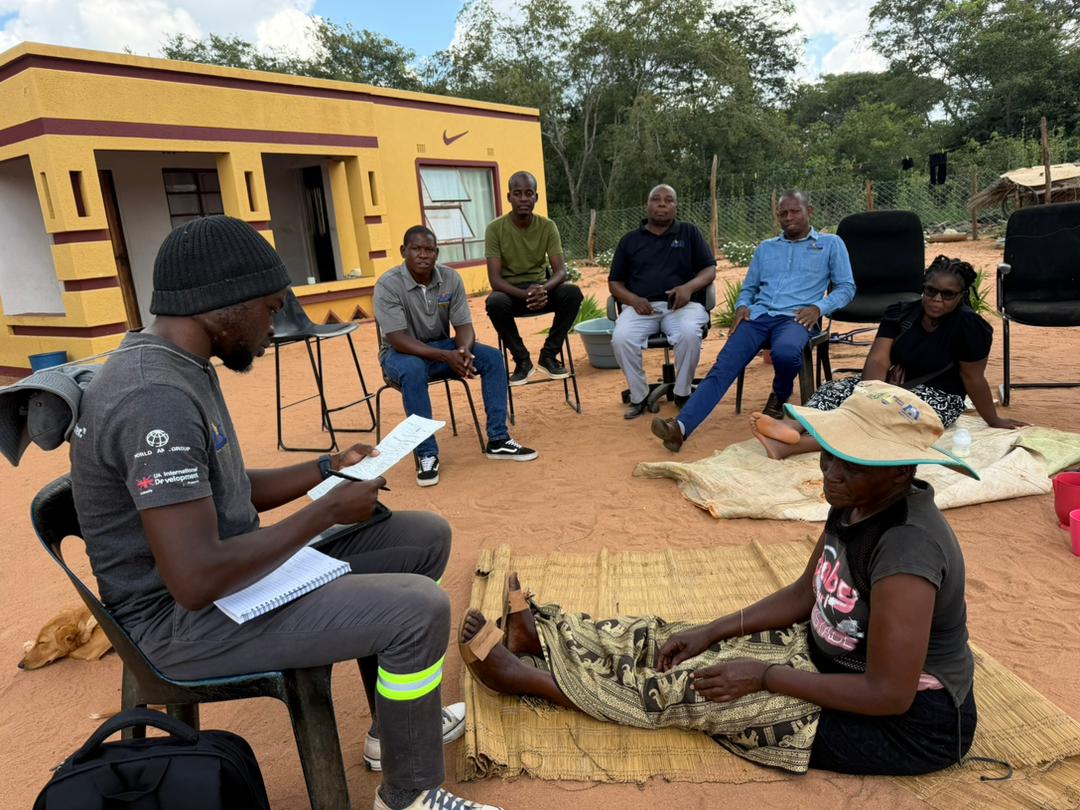
Andile Tshuma in Nkayi
Traditional leaders in Nkayi District have welcomed the rollout of the Zimbabwe Social Registry Survey (ZISO), expressing optimism that the exercise will enable Government and development partners to design targeted and impactful social protection programmes.
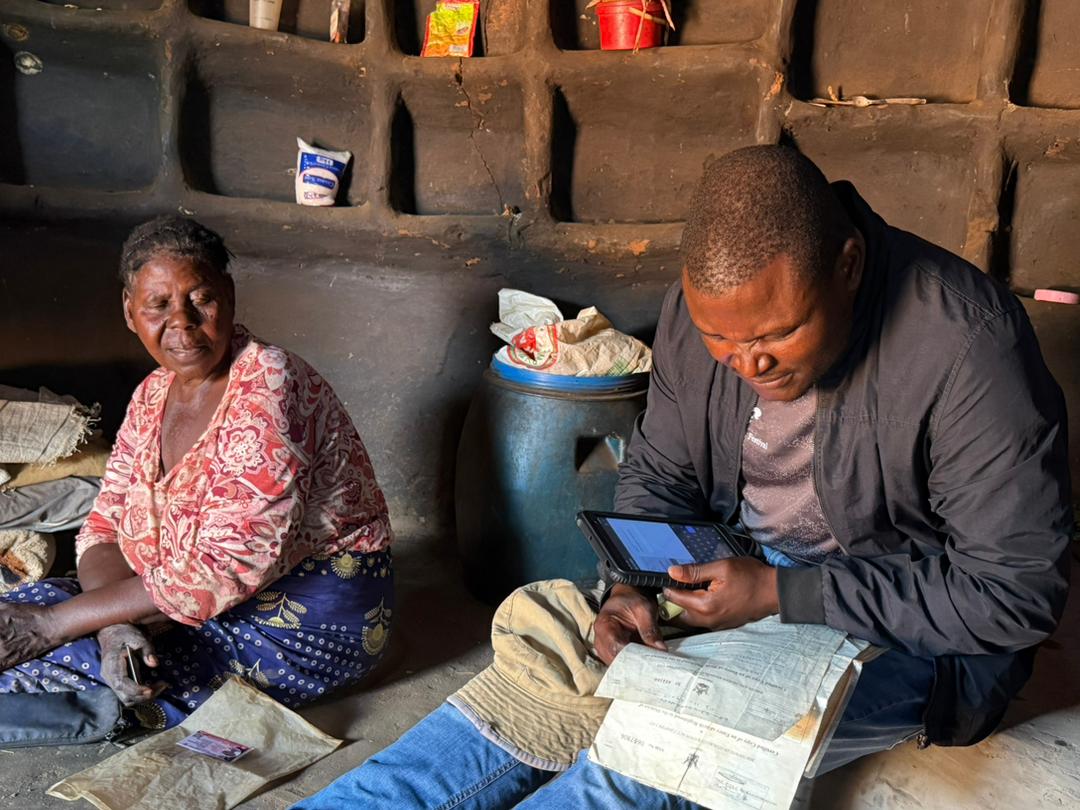
The nationwide survey, being spearheaded by the Ministry of Public Service, Labour and Social Welfare in collaboration with the Zimbabwe National Statistics Agency (ZIMSTAT), seeks to collect comprehensive household-level data to build a national social registry.

Chief Tshugulu of Nkayi said the initiative would help ensure that interventions in communities are informed by accurate data reflecting the realities on the ground.
“This programme is important for our people because it will help Government understand the challenges faced by households and respond appropriately,” he said.
Village Head Mthimkhulu said traditional leaders were working closely with enumerators to ensure the success of the exercise, including reaching households in remote areas.
“We are mobilising our communities and working with enumerators to make sure no household is left behind,” he said.
The survey, which is already underway in Nkayi following its completion in Mangwe District, will be rolled out nationwide covering both rural and urban areas.
Authorities say trained enumerators are being deployed to every enumeration area using detailed mapping systems, similar to those used during national censuses, to ensure full coverage.
The data collected will be treated with strict confidentiality in line with the Census and Statistics Act, and will only be used for statistical purposes.
Villagers in Nkayi have also welcomed the initiative, expressing hope that it will lead to inclusive development and improved service delivery.
Ms Nothando Ncube said the survey was a positive step towards addressing community challenges.
“We are glad that Government is taking time to understand our situation. We hope this will bring development that speaks to our needs,” she said.
Another villager, Nkosana Moyo, said accurate data collection was key to ensuring assistance reaches deserving households.
“If our information is used properly, it can help improve our lives and ensure that support goes to the right people,” he said.
Once completed, the social registry will serve as a centralised database, enabling Government and development partners to coordinate interventions, reduce duplication and direct resources to vulnerable populations.
The initiative is also expected to support Zimbabwe’s Vision 2030 by strengthening evidence-based planning, improving service delivery and promoting inclusive development.
Authorities have urged households across the country to cooperate with enumerators, provide accurate information and verify identification, saying the success of the programme depends on full community participation.



 Online Reporter