Online Reporter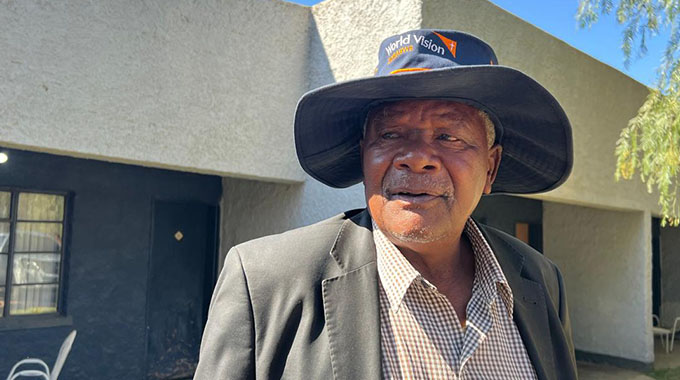
Sukulwenkosi Dube-Matutu, [email protected]
TRADITIONAL leaders in Gwanda District are taking a proactive role in educating communities about climate change adaptation and mitigation, ensuring farmers adopt optimal agricultural practices.
Following a review meeting for the Locally Led Indigenous Nature-based Solutions for Climate Change Adaptation in Zimbabwe (LINCZ) project in Gwanda on Thursday, Chief Masuku emphasised the need for continuous engagement with communities on climate change issues.
“People are seeing that the situation is no longer the same in terms of weather patterns, but changing their perspective and way of doing things is another issue,” he explained.
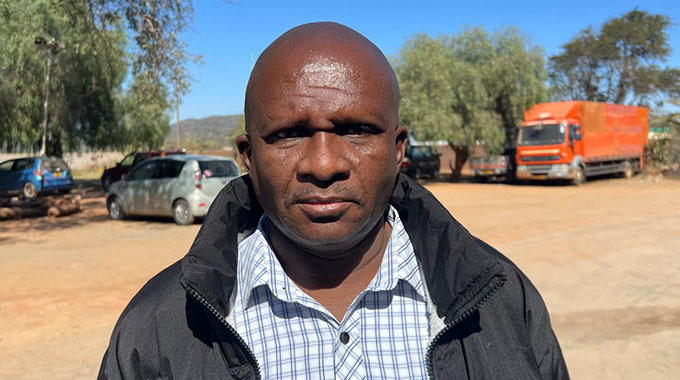
“There’s a need to continue sensitising communities on climate change mitigation and adaptation, and that’s why, as traditional leaders, we’ve taken it upon ourselves to help spread the message. Some practices followed by villagers are informed by cultural beliefs and rituals, and it takes time to get through to them and change their ways.”
Chief Kgwatalala highlighted efforts by traditional leaders to engage farmers on the importance of altering their farming practices.
He noted that some farmers in dry areas persist in growing maize instead of focusing on small grains. Chief Kgwatalala also pointed out that some villagers insist on keeping large herds of cattle, even when most are unproductive.
He affirmed that chiefs would continue to engage with communities, stressing the need for more irrigation schemes and solar-powered gardens to support agricultural production.
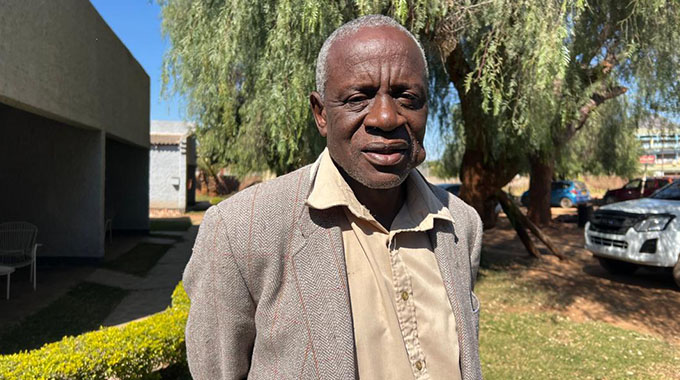
“We are utilising various platforms, such as community meetings, to educate the people,” he said.
“Climate change is affecting families, and livelihoods are being threatened, which means people have to change their way of doing things. Gone are the days for people to boast about planting a big area when they will harvest little because of poor crop choice.
“We don’t want people boasting of having large herds of cattle when the bulk are not productive. As traditional leaders, we want our people to be productive so they can be food-secure and contribute to the country’s development agenda.”
Chief Nhlamba praised the significant efforts made by the government, in collaboration with various stakeholders, to educate communities on climate change issues.
He mentioned that various programmes and interventions have been implemented to support farmers, urging them to embrace these initiatives.
The LINCZ project aims to combat the effects of climate change through various activities. It is being implemented by the Brethren in Christ Compassionate and Development Services (BIC-CDS) and its ultimate goal is to enhance climate change adaptation of communities in Gwanda district through the implementation of nature-based solutions with biodiversity co-benefits.
Under the LINCZ programme, farmers have received training and support in areas such as beekeeping, sustainable harvesting of mopane worms/amacimbi, promotion of small grains in conservation agriculture, farmer-managed natural regeneration, and promoting agroforestry and tree planting, among other activities.