Online Reporter
Locadia Mavhudzi, Midlands Correspondent
TRADITIONAL leaders in Lower Gweru, Chief Bunina and Chief Sogwala, have called on their communities to prioritise the protection of wetlands, stressing their vital role in sustaining local livelihoods through irrigation-based agriculture.
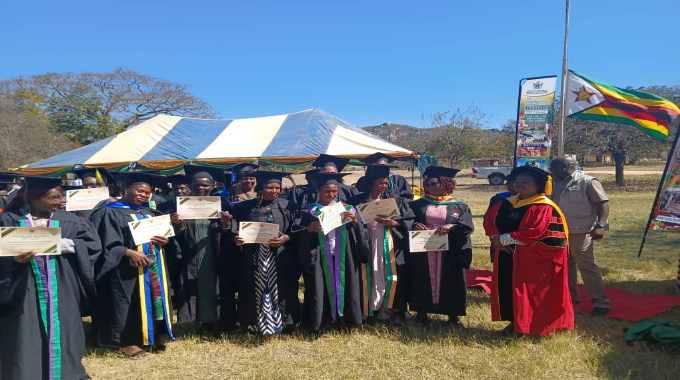
Speaking after the recent training of Community Environment Champions, Chief Sogwala highlighted that wetland areas such as Madhikani, Mambanjeni, Dhufuya and Insukamini have long been central to irrigation farming.
“Our community has relied heavily on wetlands for market gardening. These areas are the backbone of food production and household income, particularly in tomato farming,” he said.
Thanks to these wetlands, the Lower Gweru community ranks among the leading suppliers of tomatoes to the Mutapa Market in Gweru, benefitting from year-round agricultural activities.
Tendeukai Sibanda, vice chairperson of the Dhufuya Irrigation Scheme and a community environment monitor, said the training conducted by the Environmental Management Agency (EMA) has empowered local leaders to take an active role in environmental stewardship.
“With the knowledge we have gained, we have started drafting local by-laws in collaboration with village heads to safeguard our wetlands for future generations,” she said.
The initiative represents a significant step towards strengthening community-based natural resource management and aligns with national efforts to combat land degradation and ensure food security.
Meanwhile, EMA Midlands provincial education and publicity officer, Oswald Ndlovu, urged communities to recognise the value of wetlands and avoid degrading them.
“Wetlands play a crucial role in climate change mitigation. They regulate water flow, recharge groundwater and act as carbon sinks. When destroyed, communities face increased droughts, water shortages and food insecurity,” he said.
Ndlovu emphasised that preservation efforts must strike a balance between human activity and ecological sustainability to guarantee long-term benefits for future generations.