Online Reporter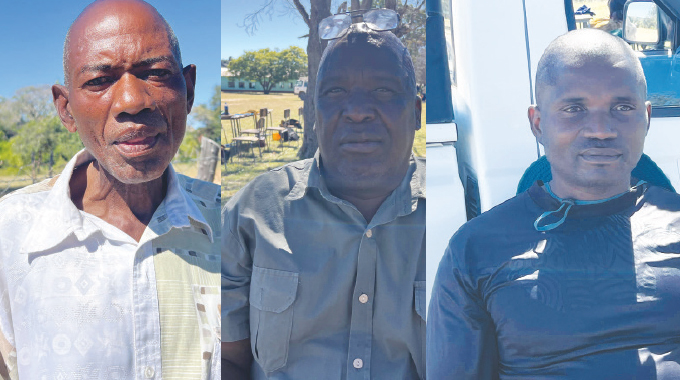
Sukulwenkosi Dube-Matutu, Sunday News Reporter
TRADITIONAL leaders in Matobo District have intensified efforts to combat teenage pregnancies, child marriages and gender-based violence (GBV) by introducing male engagement meetings aimed at promoting responsible behaviour among men and boys.
The initiative, implemented in partnership with the National Aids Council (NAC), seeks to challenge harmful social norms and cultural practices that expose girls and women to abuse, while encouraging men to become champions of child protection, gender equality and HIV prevention.
The programme is being rolled out through NAC’s Behaviour Change Community Motivators model in Matobo, Umzingwane and Insiza districts in Matabeleland South Province.
Dombo village head Mr Charles Mhlanga said traditional leaders had taken a proactive role in educating men on issues such as sexual exploitation, child protection and gender-based violence.
“As traditional leaders, we have taken an active role in educating men on issues that include sexual exploitation of young girls and women and gender-based violence. We believe this can go a long way in bringing sanity to our communities while reducing teenage pregnancies and child marriages,” he said.
Mr Mhlanga said traditional leaders were also working to dispel misconceptions that harmful practices are protected under culture.
“Some of these acts that violate the rights of girls and women are wrongly believed to be acceptable traditional practices. We have made it clear that we distance ourselves from anything that violates another person’s rights, whether it is regarded as cultural or not,” he said.
Silozwi village head Mr Deliwe Ncube said the programme seeks to encourage men to exercise responsibility and self-restraint, particularly when interacting with vulnerable young girls.
“We are living in difficult times where some young girls approach older men seeking money in exchange for sexual favours, often because of poverty. While we continue to guide these girls, there is also a greater responsibility on men to refuse such advances and instead see these girls as their daughters or nieces,” he said.
Mr Ncube added that responsible behaviour among men would help reduce HIV infections, sexual exploitation and other social challenges affecting communities.
Silozwi villager Mr Mandla Mabhena said the awareness sessions had transformed his understanding of practices that were once regarded as acceptable.
“These meetings have opened my eyes to several issues that were previously overlooked. Marrying off young girls for financial gain is a social ill that must end,” he said.
Mr Mabhena also said the programme had encouraged men to take greater responsibility for their own health.
“HIV testing is not only for women but for men as well. As men, we have to make responsible decisions because reckless behaviour can endanger our partners. We should be willing to get tested so that we can make informed decisions and take precautionary measures in time,” he said.
Mr Nqobizitha Dube (23) from Dombo village said engaging young men was critical in shaping a generation that respects and protects the rights of women and girls.
“Educating male youths now will help raise responsible men who will play an important role in protecting girls and women in future,” he said.
NAC Matobo District Aids coordinator Mr Lawrence Ncube said involving traditional leaders had proved essential because some harmful practices stem from long-held social and cultural beliefs.
“Some of the acts that violate the rights of young girls are rooted in traditional norms and values. We therefore realised that we needed the support and buy-in of traditional leaders. Through these engagements, we are already witnessing positive behavioural change within communities,” he said.
Mr Ncube said community structures were also monitoring and following up cases of sexual exploitation to ensure perpetrators are held accountable.
“The male engagement programme also encourages men to embrace HIV prevention, testing and treatment services,” said Mr Ncube.
He added that the initiative complements female-focused interventions such as the Sista2Sista (S2S) Model, which empowers adolescent girls and young women aged between 15 and 24 with knowledge on gender-based violence, HIV and Aids, sexual and reproductive health and other issues affecting their wellbeing. — @DubeMatutu